Best Heat Patch for Lower Back Pain: Research and Clinical Perspectives
Heat patches have become a prominent non-pharmacological intervention for individuals seeking relief from lower back tension, muscle stiffness, and minor soft tissue strains 4. By applying localized, controlled thermal energy, these devices aim to increase blood flow to the affected area, which supports muscle relaxation and helps improve overall mobility 1, 5. As the market for topical pain management expands, understanding the distinctions between air-activated thermal patches and medicated analgesic options is essential for those evaluating these products for personal use.
The Mechanisms of Air-Activated Heat Therapy
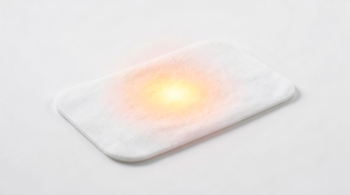
Most modern heat patches rely on air-activated technology, which utilizes a mixture of natural ingredients such as iron powder, salt, and activated carbon 4. Upon opening the airtight packaging, the contents react with oxygen to generate consistent warmth. Unlike traditional electric heating pads, these patches are engineered to maintain a lower, steady temperature, which is generally considered safer for direct or near-skin use as it minimizes the risk of thermal injury 5. Manufacturers like Cura-Heat and FlexEze have optimized these designs for extended wear, often providing between 8 and 12 hours of continuous thermal support 1, 6, 8.
Comparative Analysis of Patch Design and Coverage
Physical design plays a significant role in the effectiveness of heat patches, particularly for the lumbar region. Many patches are designed with specific dimensions to ensure adequate coverage of the lower back and hip areas, such as the 15.35 x 5.5 inch dimensions found in certain specialized models 2. Products like the Cura-Heat Acute Back Pain Max are specifically marketed for their extra-large surface area, which is intended to provide broader relief than standard-sized patches 1. Users often prioritize thin, discreet, and fragrance-free designs that allow for comfortable use under clothing throughout a standard workday 1, 8.
| Feature | Purpose |
|---|---|
| Air-Activated Technology | Provides consistent, long-term warmth without external power 2, 4. |
| Medical-Grade Adhesion | Ensures the patch remains in place during physical activity 7. |
| Extra-Large Sizing | Covers broader areas of the lower back and hips 1, 2. |
| Topical Analgesics | Adds a cooling or tingling sensation to augment heat 3, 9. |
Medicated versus Non-Medicated Approaches
While some patches focus exclusively on thermal therapy, others incorporate topical analgesics to provide a dual-action effect. Products like the Icy Hot Medicated Back Patch utilize menthol (typically at a 5% concentration) to induce an initial cooling sensation followed by a transition into deep warmth 9. This approach leverages the gate control theory of pain, where sensory stimulation from menthol or capsaicin can help distract from or modify the perception of localized pain 3. Consumers choosing between these options typically weigh the benefits of a pure heat experience against the additional chemical interaction of a medicated formula.
Clinical Considerations and Usage Safety
Medical guidelines consistently emphasize the importance of following application protocols to prevent skin damage. It is standard advice to apply these patches only to clean, dry, and unbroken skin 4, 8. Furthermore, clinical consensus warns against sleeping with adhesive heat patches to avoid the potential for delayed-onset thermal burns, as the body cannot signal heat distress while dormant 4, 7. Most patches are intended for a maximum usage duration of 8 to 12 hours; leaving them on for longer periods is generally not recommended by healthcare professionals 4.
Specialized Populations and Risk Factors
Not all individuals are suitable candidates for heat patch therapy. Pharmacists and clinicians frequently advise individuals with sensory disorders, diabetes, or poor circulation to consult a physician before using these devices 4, 7. Because these populations may have diminished nerve sensitivity, they are at a higher risk of failing to notice if a patch becomes uncomfortably hot, leading to potential skin injury 4. Always reviewing the provided instructions for any contraindications regarding specific skin conditions or existing neurological issues is a critical step in safe usage.
Evaluating Long-Term Utility
When selecting a patch, the duration of warmth is a critical metric for long-term comfort. Some advanced options, such as the Deep Heat Back Patch, are designed to trigger heat within minutes and can provide relief that persists even after the patch is removed, due to the sustained improvement in local blood circulation 3, 6. Consumers looking for convenience often look for patches that offer a balance of high-quality, medical-grade adhesion to prevent slipping during movement and a reliable heat profile that does not fluctuate significantly over the expected wear time 7.
Sources
- https://www.primepharmacyuk.com/products/cura-heat-max/
- https://itspixie.com/products/back-hip-heat-patch
- https://www.pharmacyfactory.com/products/deep-heat-patch-for-back-pain-2s/
- https://www.thermopad.de/en/products/pain-relief-heat-patch/
- https://nowpatient.com/analgesics/deep-heat-pain-relief-back-patch
- https://www.pharmacyfactory.com/products/nurofen-back-pain-heat-patches-2/
- https://imsorthopedics.com/flexiback-patches-review/
- https://physioworks.com.au/product/flex-eze-heat-pads/
- https://www.yeswellness.com/products/icy-hot-medicated-back-patch-5-large-patches
Authored by MyTrendSpot team