Early symptoms of Hypothyroidism you should know: Clinical Analysis and Diagnostic Guidance
Understanding the Nature of Hypothyroidism
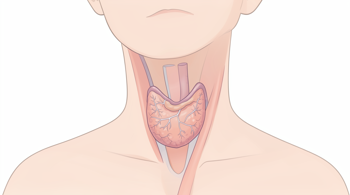
Hypothyroidism occurs when the thyroid gland-a small, butterfly-shaped organ located in the neck-fails to produce sufficient quantities of thyroid hormones 1. These hormones are essential for regulating the body's metabolic rate, which influences energy levels, heart function, temperature regulation, and digestion 2. When production falls below the required levels, vital body functions begin to slow down 3. Because this hormonal decline often occurs over several years, the initial presentation of the condition can be subtle and easily overlooked or mistaken for other factors such as stress or the normal aging process 4.
The condition is significantly more prevalent in women than in men, with research indicating it is eight to 10 times more common in the female population 5. Risk factors include advancing age, particularly during the transition through and beyond menopause, as well as autoimmune conditions like Hashimoto thyroiditis 6. While individuals of any age may be affected, the gradual onset often leads to a delay in detection, as many people may attribute early changes in their health to lifestyle fluctuations or temporary fatigue 7.
Common Early Clinical Indicators
The most frequently reported early symptoms are often described as vague and non-specific, which contributes to the difficulty of immediate diagnosis 8. Fatigue and a constant sense of exhaustion that does not resolve with adequate sleep are among the most persistent early warning signs 9. Concurrently, many individuals experience modest, unexplained weight gain, often linked to a combination of a slowed metabolism and minor fluid retention rather than a significant dietary shift 10.
Sensitivity to cold is another hallmark sign, where individuals may feel chilled in environments that others find comfortable 11. Other early indications often reported during clinical assessments include:
- Persistent constipation and generally slower digestive function 12.
- Dry, coarse skin and the appearance of brittle nails 13.
- Thinning hair, which may sometimes involve the loss of the outer third of the eyebrows 14.
- Episodes of muscle weakness, generalized aches, or recurring cramps 15.
Cognitive and Emotional Impact
Beyond physical changes, an underactive thyroid frequently impacts neurological and psychological health. Clinicians often observe reports of brain fog, which includes difficulty concentrating or occasional forgetfulness 16. These symptoms are often described by patients as a form of mental slowing, which can interfere with daily professional and personal tasks 17. In some cases, these cognitive issues lead individuals to seek evaluation for other neurological concerns before a thyroid imbalance is identified 18.
Depressive moods or a general sense of low emotional well-being also appear alongside these physical markers 19. Because depression can arise from many physiological or environmental causes, it is essential for clinical practitioners to look for clusters of symptoms rather than isolated psychological complaints when evaluating thyroid health 20.
Progression to Later-Stage Symptoms
If the condition remains unaddressed over a prolonged period, more localized and visible physical signs may manifest. The body's slowed state can lead to visible puffiness in the face, hands, and feet 21. Additionally, changes in speech and vocal quality are frequently documented, characterized by a hoarse voice and slower-than-usual speech patterns 22. Reduced sense of smell and taste, along with an overall decrease in body temperature, may also become evident as the hormonal deficiency becomes more severe 23.
| Symptom Category | Specific Clinical Observations |
|---|---|
| Metabolic | Unexplained weight gain, cold intolerance |
| Dermatological | Dry skin, brittle nails, thinning hair |
| Neurological | Brain fog, memory lapses, low mood |
| Physical | Puffiness, hoarse voice, slow heart rate |
Diagnostic and Risk Factors
The primary method for confirming hypothyroidism is through specific blood tests, primarily focusing on Thyroid-Stimulating Hormone (TSH) and free T4 levels 24. Symptoms alone are insufficient for a diagnosis because the indicators overlap significantly with other metabolic and endocrine disorders 25. Clinical guidelines emphasize that TSH levels are the most reliable indicator of thyroid function; elevated TSH levels often suggest that the pituitary gland is working harder to stimulate a sluggish thyroid gland 26.
Specific demographics require closer monitoring. For instance, in women of reproductive age, identifying the condition early is critical, as untreated hypothyroidism can lead to complications such as irregular or heavy menstrual cycles, infertility, and potential adverse pregnancy outcomes 27. Autoimmune inflammation, specifically Hashimoto thyroiditis, remains the most prevalent cause in the United States, followed by post-therapeutic results from treatments for hyperthyroidism, such as radioactive iodine therapy or surgery 28.
Clinical Management Realities
The standard clinical approach for managing hypothyroidism involves long-term thyroid hormone replacement therapy, typically administered through oral medication 29. Once a diagnosis is confirmed, treatment is often highly effective, though it usually necessitates consistent, life-long management and regular follow-up blood tests to ensure hormone levels remain within the appropriate therapeutic range 30. Failure to adhere to the prescribed medical regimen can lead to the resurgence of symptoms and may, in severe untreated cases, result in life-threatening complications, including heart problems or severe metabolic depression known as myxedema 31.
Sources
- National Institute of Diabetes and Digestive and Kidney Diseases
- NHS Conditions
- MedlinePlus: Hypothyroidism
- Mayo Clinic: Diseases and Conditions
- Cleveland Clinic Health Library
- Johns Hopkins Medicine
- American Thyroid Association
- Harvard Health Publishing
- MSD Manual Consumer Version
- Better Health Channel
Authored by MyTrendSpot team