Best PEMF therapy for bone healing: Analyzing clinical evidence and medical standards
Pulsed Electromagnetic Field (PEMF) therapy has established a long-standing role in orthopedic medicine as an adjunctive treatment for complex bone healing scenarios, particularly where natural regeneration processes have stalled 4. As clinical interest in non-invasive recovery modalities grows, patients and healthcare providers often evaluate various systems designed to influence cellular activity through low-frequency electromagnetic pulses 4, 5. This review synthesizes current research on the clinical efficacy, regulatory status, and practical application of these devices for managing fractures and related orthopedic conditions.
Clinical Foundations and FDA Regulatory Status
The primary medical application for PEMF technology lies in its capacity to support the healing of non-union fractures and failed surgical fusions 1, 6. Regulatory bodies, including the U.S. Food and Drug Administration (FDA), have granted clearance to specific devices for these indications, acknowledging their role as non-surgical interventions 4, 5. These systems work by generating electromagnetic energy that interacts with the body at a cellular level, specifically targeting the stimulation of osteoblast activity and enhancing bone mineralization processes 1. By inducing low-frequency electrical currents within the target tissue, these devices aim to restart biological mechanisms in cases where standard healing has failed to progress for several months 1, 6.
Mechanism of Action and Cellular Response
At the physiological level, PEMF therapy functions by modulating several critical pathways involved in tissue repair 5. Research indicates that the technology influences calcium signaling and nitric oxide production, which are essential for regulating inflammatory cascades and promoting bone growth 5. Furthermore, clinical observations suggest that PEMF exposure can enhance the expression of bone morphogenetic proteins (BMPs) at the fracture site, which serves as a key signaling factor for bone regeneration 6. This process is particularly relevant for conditions such as Charcot foot, where chronic ulceration and structural damage require advanced strategies to support bone metabolism 9.
Evaluation of Clinical Efficacy and Treatment Protocols
Standardized clinical protocols for PEMF therapy typically involve daily usage, often ranging from 20 to 60 minutes per session over several weeks or months, depending on the severity of the condition 4, 5. While outcomes vary, systemic reviews continue to evaluate the effectiveness of these modalities compared to other physical agents such as ultrasound therapy or low-level laser therapy 2. Recent studies have also explored the impact of combining PEMF therapy with nutraceutical supplementation. In trials involving distal radius fractures, evidence suggests that this combined approach may be associated with improved short-term pain reduction and more pronounced early bone callus formation, although larger trials remain necessary to confirm these effects 3, 7, 8.
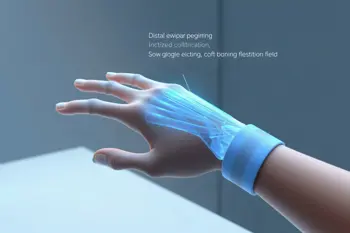
Practical Considerations for Device Selection
When assessing recovery options, it is essential to distinguish between clinical-grade, FDA-cleared systems and general wellness consumer devices 4. Clinical devices, such as the EBI Bone Healing System, often utilize specific flexible coil configurations to provide 360-degree therapeutic coverage around the targeted treatment area, allowing for use over casts, braces, or clothing 1. In contrast, consumer-marketed mats and devices sold online often operate at different intensities and lack the same depth of independent clinical validation 4. Patients are generally advised to consult with an orthopedic surgeon to determine the appropriate system for their specific fracture or fusion requirement, as device parameters-including frequency, waveform, and intensity-are not interchangeable across different conditions 1, 5.
Safety, Contraindications, and Compliance
Despite the non-invasive nature of PEMF therapy, its application is subject to strict safety guidelines. The most significant contraindications include the presence of internal electronic devices such as pacemakers or cochlear implants, as the electromagnetic fields generated by the therapy can interfere with their function 6. Furthermore, pregnancy is typically listed as a contraindication for these treatments 6. Patient compliance is a major factor in the success of these regimens; because clinical effectiveness is heavily dependent on consistent daily usage, failure to adhere to the prescribed duration and frequency of treatment often results in suboptimal healing outcomes 6.
Summary of Market and Research Landscape
| Feature | Clinical-Grade PEMF | General Consumer PEMF |
|---|---|---|
| FDA Status | Cleared for non-union/fusions | Generally not cleared |
| Evidence Base | Strong for bone healing | Emerging/Limited |
| Customization | Condition-specific settings | Generic settings |
| Usage Environment | Prescribed under clinical oversight | Wellness/Home use |
As of 2026, the landscape for electromagnetic fracture recovery continues to evolve. While the foundational evidence for non-union fractures remains robust, the integration of supplementary nutritional strategies and the expansion of clinical trials into broader recovery scenarios indicate a shift toward more comprehensive, multi-modal orthopedic care 3, 8. Prospective patients should maintain a focus on devices supported by established clinical trial data rather than generalized health claims, ensuring that any chosen intervention aligns with the specific physiological demands of their injury 4, 5.
Sources
- Zimmer Biomet: EBI Bone Healing System Overview
- Frontiers in Medicine: Systematic Review of Physical Agent Modalities (2025)
- Nutrients: Randomized Controlled Trial on Combined PEMF and Nutraceuticals (2026)
- Regenerated.com: PEMF Therapy Science Review (2026)
- Julian Douwes M.D.: PEMF Neuromodulation and Healing Overview
- General Clinical Guidelines: PEMF for Bone Healing and Contraindications
- Syfrah: Clinical Trial NCT07352501 Data
- NutraIngredients: Analysis of Combined Electromagnetic and Nutritional Therapy (2026)
- Wounds Journal: PEMF Stimulation for Charcot Foot Ulcer Research (2025)
- Frontiers in Veterinary Science: Preclinical Electromagnetic Fracture Recovery Study (2025)
Authored by MyTrendSpot team