Natural ways to support immune function: An objective review of physiological maintenance strategies
Understanding the body's natural defense mechanisms is essential for maintaining long-term health and resilience against common infections. The immune system is a complex, highly coordinated network of cells, tissues, and organs that constantly monitor for and neutralize potential threats, including viruses and bacteria 1. Rather than focusing on singular interventions, modern medical consensus emphasizes a holistic approach to physiological support, where consistent daily habits collectively bolster the body's ability to respond to external stressors 4.
The Fundamental Role of Nutrition and Micronutrients
Dietary intake serves as the primary source of fuel for the body's defensive systems. Consuming a diet rich in plant-based foods, such as fruits, vegetables, nuts, and whole grains, provides the necessary antioxidants and phytochemicals to maintain immune homeostasis 3. Whole foods provide essential micronutrients, including vitamins A, B6, C, D, E, zinc, and selenium, which are critical for the production and function of white blood cells 2, 8. Conversely, excessive consumption of added sugars and highly processed foods is associated with systemic inflammation, which can divert resources away from pathogen defense 3, 18.
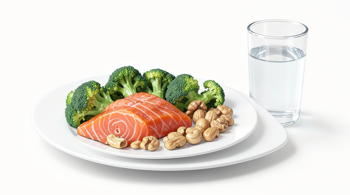
Protein intake also plays a significant role in immune health, as amino acids are the building blocks required to synthesize antibodies that fight infections 2. Fatty fish, such as salmon, mackerel, and sardines, offer a valuable source of omega-3 fatty acids, which help temper chronic low-grade inflammation 5, 9. While supplements are often marketed for immunity, medical experts generally suggest that obtaining these nutrients directly from a balanced diet is more effective for sustaining long-term immune function 3.
Prioritizing Restorative Sleep Cycles
Sleep is considered a cornerstone of strong immunity, acting as a period of systemic revitalization where the body repairs tissues and produces cytokines-proteins that are essential for regulating the immune response 4, 6. Individuals who consistently obtain seven to eight hours of quality sleep demonstrate a more efficient immune response compared to those who experience chronic sleep deprivation 6, 11. Research indicates that sleeping fewer than six hours per night may significantly increase susceptibility to various viral infections 4.
Maintaining a consistent sleep schedule is a primary recommendation for improving sleep hygiene. Practical strategies include establishing a regular bedtime, minimizing screen time one hour before rest to avoid blue light exposure, and ensuring the sleeping environment remains cool and dark 4, 6. Managing alcohol intake is also advised, as substances that disrupt sleep patterns can prevent the body from achieving necessary REM cycles, which are vital for cognitive and physical health 6.
The Impact of Physical Activity and Hydration
Regular, moderate-intensity exercise acts as a physiological nudge that helps mobilize immune cells and improves cardiovascular health 3, 13. By challenging the circulatory system, physical activity ensures that immune components can move more effectively through the body to monitor for threats 3. While consistency is key, medical guidelines suggest that moderate movement, rather than exhaustive training, is sufficient to provide these health benefits and reduce systemic inflammation over time 13, 20.
Hydration represents another critical pillar of immune maintenance. Water is essential for the production of lymph, a fluid that transports white blood cells and flushes toxins from the body’s systems 17, 19. Waiting until the sensation of thirst occurs may indicate that the body is already mildly dehydrated; therefore, maintaining consistent fluid intake throughout the day is recommended to ensure that cellular processes function without impediment 10.
Stress Management and the Immune Response
Psychological stress exerts a measurable effect on immune function through the release of cortisol, a hormone that, when elevated chronically, suppresses the efficacy of the immune system 6. Stress also indirectly impacts immunity by disrupting healthy behaviors, such as sleep quality and dietary choices; individuals experiencing high levels of stress are more prone to consuming less nutritious foods 6. Implementing stress reduction techniques is therefore a necessary component of a comprehensive strategy for maintaining the body's natural defenses 14.
The Importance of Gut Health
Emerging research underscores the importance of the gut microbiome, as approximately 70% of the immune system resides within the gastrointestinal tract 15. Consuming probiotic-rich foods such as yogurt, kefir, and fermented vegetables supports a healthy bacterial environment in the gut, which plays a foundational role in human immune defense 15, 19. By supporting gut integrity, individuals can enhance the body's overall ability to maintain homeostasis and respond to external pathogens effectively 7.
Integrating Healthy Habits with Preventative Care
It is important to distinguish between general immune support and disease-specific protection. While healthy habits support overall immune resilience, they do not function as a replacement for clinical interventions such as vaccines 1. Vaccines are designed to train the immune system to recognize and defend against specific threats without the risk of contracting a full-blown infection 1. A robust approach to health involves the synergy of both protective lifestyle habits and adherence to recommended medical screenings or immunizations 1.
Sources
- CDC, Support Your Immune Health, 2026.
- Everyday Health, 8 Tips for Immune Health, 2025.
- UT MD Anderson, 6 Simple Ways to Boost Your Immune System, 2025.
- AdventHealth, Natural Immune Support: What Actually Works, 2025.
- Cleveland Clinic, 12 Foods That Help Boost Your Immune System, 2025.
- NewYork-Presbyterian, 7 Ways to Boost Your Immune System, 2025.
- Frontiers in Nutrition, The immune system as a guardian of health, 2026.
- Cleveland Clinic, 7 Best Vitamins and Minerals for Your Immune System, 2025.
- Scientific American, Help yourself to stronger immunity, 2026.
- St. Vincent’s Medical Center, 7 Natural Ways to Boost Your Immune System, 2025.
- Mayo Clinic, Lack of sleep: Health effects.
- Harvard Health Publishing, How to boost your immune system.
- Cleveland Clinic, How to boost your immune system.
- American Psychological Association, Stress and the immune system.
- Johns Hopkins Medicine, The gut: Where bacteria and immune system meet.
- National Institutes of Health, Vitamin D Fact Sheet.
- Healthline, How to boost immune health.
- WebMD, Foods weaken immune system.
- Medical News Today, Fermented foods and the gut.
- MedlinePlus, Exercise and illness frequency.
Authored by MyTrendSpot team