Warning signs of lupus: A clinical review of systemic autoimmune symptoms
Lupus, or systemic lupus erythematosus (SLE), is a complex autoimmune condition in which the immune system loses its ability to distinguish between foreign invaders and the body’s own healthy tissues 1. This failure of immune regulation leads to widespread inflammation that can impact various organ systems, including the skin, joints, kidneys, lungs, heart, and the nervous system 2. Because its symptoms frequently overlap with those of more common ailments, the condition is sometimes referred to as a great imitator, making early recognition a significant clinical challenge 6.
Understanding Patterns of Disease Progression
One of the defining features of lupus is its unpredictable cycle of activity. The disease is characterized by flares, which are periods when symptoms intensify, followed by remissions or quieter periods where symptoms may improve or temporarily disappear 1. These fluctuations mean that an individual may experience long intervals with few indicators before encountering a sudden onset of more severe systemic distress 3. Because no two cases are identical, healthcare providers often compare the diverse presentation of symptoms to the unique nature of snowflakes, noting that individual experiences can change significantly over time 7.
Common Cutaneous and Physical Indicators
Visible skin changes often serve as primary indicators for individuals seeking medical advice. The most recognized sign is a butterfly-shaped rash that extends across the cheeks and the bridge of the nose, which frequently intensifies following exposure to ultraviolet sunlight 1. While this rash is a hallmark, it does not occur in every person with the disease 1. Other dermatological manifestations include general skin rashes on exposed areas, mouth or nose ulcers, and hair thinning or shedding, which often correlates with active disease flares rather than genetic hair loss 4, 9.
Joint Pain and Constitutional Symptoms
Persistent fatigue is among the most frequently reported symptoms, often described as an exhaustion that does not resolve with adequate sleep or rest 7, 8. This extreme tiredness is often accompanied by joint pain, stiffness, and swelling that can mimic other inflammatory conditions like arthritis 7. Many patients also report unexplained fevers, typically exceeding 100 degrees Fahrenheit, which are often the result of systemic inflammation 4. These constitutional symptoms are often the earliest clues that the immune system is experiencing systemic dysfunction 8.
Circulatory and Systemic Complications
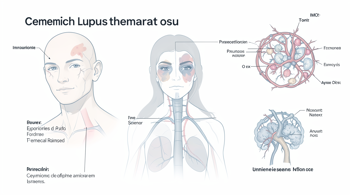
Lupus can impact the vascular system, leading to a phenomenon known as Raynaud’s. This involves the fingers or toes changing color to white, blue, or red in response to cold temperatures or acute stress 1. Because this effect is linked to blood flow changes, it can be harder to identify on darker skin tones 1. Beyond surface-level symptoms, inflammation may reach internal organs, causing chest pain during deep breathing due to irritation of the lung lining, or shortness of breath 4. Other serious systemic indicators include persistent headaches, confusion, or memory lapses 1.
| Body System | Potential Indicators |
|---|---|
| Skin | Butterfly rash, photosensitivity, mouth sores |
| Musculoskeletal | Joint swelling, muscle aches, stiffness |
| Circulatory | Raynaud phenomenon, blood cell abnormalities |
| Respiratory/Cardiac | Chest pain, shortness of breath, lung lining inflammation |
| Neurological | Headaches, confusion, seizure activity |
The Necessity of Professional Diagnosis
Lupus does not have a single diagnostic test; rather, clinical confirmation is typically achieved through a comprehensive assessment of medical history, a physical examination, and specific blood and urine laboratory studies 8, 9. Because of the high variability of the disease, diagnostic processes focus on identifying patterns of symptoms that align with known autoimmune markers 9. It is vital for individuals who experience persistent, unexplained pain or recurring health changes to consult a healthcare professional, as early management is critical to reducing the risk of long-term organ damage 5, 6.
When to Seek Urgent Medical Attention
While many lupus symptoms are chronic and manageable, certain warning signs require immediate clinical evaluation. Red flags that indicate a potential for severe complication include significant difficulty breathing, persistent or intense chest pain, sudden onset of confusion, new seizure activity, or clinical indications of kidney involvement, such as changes in urine output or appearance 8. Although there is currently no cure, modern medical strategies are focused on controlling inflammation and protecting organ function to maintain an individual's quality of life over the long term 2, 8.
Sources
- https://www.mayoclinic.org/diseases-conditions/lupus/symptoms-causes/syc-20365789
- https://my.clevelandclinic.org/health/diseases/4875-lupus
- https://www.nhsinform.scot/illnesses-and-conditions/immune-system/lupus/
- https://womenshealth.gov/lupus/lupus-symptoms
- https://www.ama-assn.org/public-health/population-health/what-doctors-want-patients-know-about-lupus
- https://webflow-prod.cedars-sinai.org/stories-and-insights/healthy-living/how-to-find-out-if-you-have-lupus
- https://www.prevention.com/health/health-conditions/a71144965/doctors-explain-lupus-symptoms/
- https://acibademinternational.com/health-library/lupus-symptoms-explained-common-triggers-and-red-flags/
- https://www.dranimeshsingh.com/rheumatic-disease-articles/could-it-be-lupus-symptoms-blood-tests-diagnosis-management
Authored by MyTrendSpot team