How to balance blood sugar levels safely: A Comprehensive Clinical Overview
Understanding Blood Glucose Dynamics
Managing blood sugar, or glucose, is a fundamental component of health for individuals with diabetes, prediabetes, or those looking to support metabolic stability 1. Glucose serves as the primary energy source for the body's cells, but its concentration in the bloodstream must remain within a specific, safe range to prevent acute and long-term complications 3. Hyperglycemia, characterized by elevated blood sugar, can lead to damage in blood vessels and vital organs, while hypoglycemia, or dangerously low blood sugar, poses immediate risks such as fainting, seizures, or loss of consciousness 4, 5. Clinical guidelines establish that for most non-pregnant adults with diabetes, fasting blood glucose targets typically range from 80 to 130 mg/dL before meals, and should remain below 180 mg/dL one to two hours after the start of a meal 7, 8.
Dietary Strategies for Stabilization
Nutritional intake is one of the most significant levers for controlling blood glucose levels. Rather than focusing on restrictive habits, professional guidance often emphasizes a balanced approach to eating that incorporates whole foods and portion control 2. Meals rich in non-starchy vegetables, lean proteins, and complex, high-fiber carbohydrates can slow the rate of digestion, which in turn leads to a more gradual rise in blood sugar rather than sudden, sharp spikes 2, 3. Conversely, processed foods and refined starches are frequently identified as contributors to significant glycemic volatility 2.
- Lean proteins, such as eggs, nuts, fish, and tofu, help mitigate the impact of carbohydrate digestion 3.
- Non-starchy vegetables offer essential nutrients without causing rapid glucose increases 2.
- Fiber-rich carbohydrates provide a more sustainable energy release compared to simple sugars 2.
- Regular meal timing supports the body's ability to utilize insulin effectively, whether produced naturally or administered via medication 1.
The Role of Physical Activity
Regular exercise functions as a powerful tool for improving insulin sensitivity and lowering blood glucose levels 7. When the body is physically active, it becomes more efficient at moving glucose from the bloodstream into the muscles for energy, which is especially beneficial for individuals dealing with impaired glucose tolerance 7. Aerobic exercise has been associated with a significant reduction in the risk of progressing to type 2 diabetes among those with prediabetes, with consistent activity-ideally 30 minutes of moderate movement on most days-yielding the most meaningful long-term health improvements 7.
However, individuals utilizing insulin or certain diabetes medications must approach exercise with caution. Physical activity can sometimes lead to exercise-induced hypoglycemia, particularly if medication dosages are not adjusted alongside shifts in activity intensity 6. Engaging with a healthcare team to design an exercise plan that accounts for individual medical needs, current medications, and baseline health markers is necessary to ensure safety 6.
Clinical Monitoring and Device Utilization
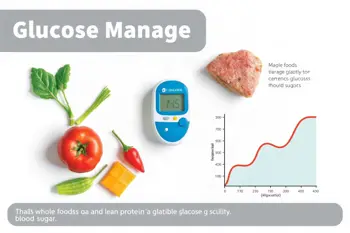
Frequent monitoring remains the cornerstone of safe blood sugar management. Standard methods include traditional glucose meters and, increasingly, continuous glucose monitoring (CGM) systems 4. CGM devices provide real-time data on glucose trends, offering insights that discrete finger-stick measurements might miss 4. Clinical guidelines often highlight the importance of staying within a target percentage of time, known as time-in-range, typically defined as having glucose levels between 70 and 180 mg/dL 4. Additionally, the A1C test provides a critical retrospective look at average blood sugar over the previous three months, allowing for a more comprehensive assessment of long-term glycemic control beyond daily fluctuations 7.
Responding to Hypoglycemia
Recognizing the signs of low blood sugar is critical for individuals whose treatment plans involve medications that carry a risk of hypoglycemia, such as insulin, glyburide, or glipizide 5. Early indicators of low blood sugar can include shaking, sweating, headache, hunger, irritability, and blurred vision 5. In cases of mild hypoglycemia, many clinicians recommend the 15-15 rule: consume 15 grams of fast-acting carbohydrates, wait 15 minutes, and then recheck the blood glucose level to see if it has reached a safer threshold 5. If severe symptoms arise, including confusion, seizure, or an inability to swallow, these must be treated as medical emergencies, potentially requiring the administration of glucagon and immediate professional medical intervention 5.
Addressing Holistic Lifestyle Factors
Blood sugar balance is influenced by more than just food and exercise; it is also affected by broader lifestyle factors such as sleep quality, stress levels, and existing illnesses. Inadequate or irregular sleep patterns can negatively alter glucose metabolism and exacerbate insulin resistance 13. Furthermore, physical illness, such as the flu or other infections, can cause unpredictable shifts in glucose levels, sometimes leading to hyperglycemia 6. It is essential that individuals with diabetes maintain their established care plan during illness and avoid stopping medication without explicit medical instruction, as doing so may increase the risk of serious complications like diabetic ketoacidosis 6.
Sources
- Mayo Clinic: Diabetes diet: Create your healthy-eating plan
- Cleveland Clinic: Diabetes Diet: What You Should Eat and Avoid
- Mass General Brigham: How to Control Blood Sugar With Diet
- Mayo Clinic: Diabetes - Diagnosis and treatment
- MedlinePlus: Low blood sugar - self-care
- Alberta Health Services: Diabetes-Related High and Low Blood Sugar Levels
- Victor Chang Cardiac Research Institute: How to improve your blood sugar levels
- UT MD Anderson: 6 tips to lower your blood sugar
- Emory Healthcare: 5 Ways to Reduce or Even Reverse Diabetes
- Acibadem Hospitals Group: Diabetic Diet: Benefits, Risks, And Safe Use
- American Diabetes Association: Checking Your Blood Sugar
- American Heart Association: Added Sugars
- Sleep Foundation: Diabetes and Sleep
Authored by MyTrendSpot team