Warning signs of heart attack: Clinical perspectives on early detection and emergency response
A heart attack, clinically referred to as a myocardial infarction, occurs when blood flow to the heart muscle is severely reduced or obstructed 1. Each year, approximately 805,000 people in the United States experience a myocardial infarction, a condition that occurs when oxygen-rich blood is cut off from the heart 4, 10. While popular media often portrays this event as a sudden, dramatic collapse, the reality of the condition is frequently more nuanced, involving subtle symptoms that can manifest hours, days, or even weeks before a major cardiac event 5, 7. Understanding these warning signs is a critical component of public health awareness, as prompt medical intervention significantly influences survival rates 2, 3.
Common Indicators and Symptomatic Variations
The classic presentation of a heart attack involves chest discomfort, which patients often describe as pressure, squeezing, fullness, or pain in the center or left side of the chest 2, 3. This discomfort may be persistent or intermittent, potentially disappearing and returning over several days 5, 6. Beyond the chest, pain or radiating discomfort is frequently reported in the shoulders, arms, back, neck, jaw, or stomach 2, 3. These sensations are a direct result of restricted blood flow within the coronary arteries, which are typically narrowed by the buildup of fatty deposits known as atherosclerotic plaque 1, 4.
In addition to pain, systemic symptoms often accompany a cardiac event. Shortness of breath is a major warning sign that may manifest with or without concurrent chest discomfort 3, 5. Other clinical indicators include unexplained nausea, vomiting, profuse sweating, and cold, clammy skin 2, 7. Patients may also experience lightheadedness, dizziness, or a profound sense of unusual fatigue that occurs before or during the event 3, 5. It is important to note that these symptoms can range from mild to severe and do not always indicate a total blockage, but rather a disruption in the necessary oxygen supply to the heart tissue 2, 4.
Silent Myocardial Infarction and Atypical Presentations
Not all heart attacks follow a predictable symptomatic path. Research indicates that approximately 20% of myocardial infarctions are classified as silent, meaning they occur with little to no recognizable warning signs 3. In these instances, the damage to the heart muscle may occur without the patient experiencing the acute pain typically associated with a coronary event 6, 7. This phenomenon highlights the importance of regular cardiovascular screenings and the need to monitor overall heart health, especially for individuals with known risk factors such as hypertension or high cholesterol 8.
Furthermore, certain demographic groups are more likely to experience atypical symptoms. For instance, women are statistically more likely to report symptoms such as back pain, jaw pain, fatigue, and nausea, and they may be less likely than men to report classic chest pain 6, 8. Older adults and individuals diagnosed with diabetes are also at an increased risk of presenting with subtle, mild, or entirely absent symptoms during a heart attack 7, 10. Such disparities in presentation emphasize that any new or worsening physical discomfort should be evaluated by a healthcare provider 2.
Pathophysiology of Coronary Blockage
The underlying mechanism of most heart attacks involves the development of coronary artery disease, characterized by the accumulation of plaque within the arterial walls 4, 10. When these plaques become unstable or rupture, they trigger the formation of a thrombus, or blood clot, which effectively halts the flow of oxygen-rich blood to the myocardium 1, 4. This obstruction forces the heart to function without necessary nutrients, causing tissue damage or, in prolonged cases, tissue death 4, 9.
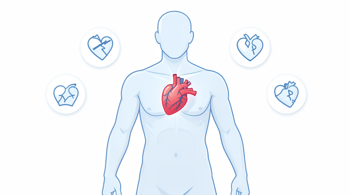
While plaque rupture is the primary cause, other factors can also precipitate a myocardial infarction. Extreme physical stress, rapid heart rates, or severe drops in blood pressure can increase the heart's oxygen demand beyond what the supply allows, resulting in damage even in the absence of a large clot 1. Additionally, some individuals may experience coronary artery spasms, where the vessel tightens, temporarily cutting off circulation 10. These diverse triggers demonstrate why the manifestation of warning signs can vary significantly from one patient to another depending on the specific physiological state of their coronary system 4.
Diagnostic Procedures
Upon reporting suspected symptoms to a physician, patients typically undergo a standard diagnostic evaluation to determine the state of the heart. The electrocardiogram (EKG) is a primary tool used to monitor the electrical activity of the heart and identify signs of tissue distress 2, 4. Physicians may also order an echocardiogram, which utilizes ultrasound waves to visualize the pumping efficiency of the heart and check for valvular issues or damaged muscle segments 2.
Laboratory analysis plays an equally vital role in confirming a myocardial infarction. Specifically, medical professionals measure the levels of cardiac enzymes-such as troponin-in the blood, as these substances are released into the bloodstream when heart tissue is damaged 2, 9. A significant elevation in these proteins, coupled with EKG findings, allows for an accurate diagnosis, which in turn determines the subsequent reperfusion therapy or pharmacological interventions necessary to restore blood flow 2, 9.
Emergency Protocol and Risk Mitigation
When a heart attack is suspected, time is the critical factor in preserving heart muscle 3. Emergency protocols dictate that anyone experiencing severe or persistent symptoms should contact emergency services immediately rather than attempting to drive to a medical facility 2, 10. Early action minimizes the risk of mortality and can drastically improve long-term recovery outcomes 3. In some clinical settings, the administration of aspirin under medical guidance is recommended while waiting for professional help to arrive 4.
Preventative strategies focus on the long-term management of risk factors identified through cardiovascular research. Common, manageable risk factors include smoking cessation, blood pressure regulation, and the treatment of high cholesterol levels through diet, lifestyle modifications, or pharmacotherapy 8, 10. Patients with family histories of premature heart disease may also require more intensive screenings, such as lipoprotein(a) testing, to assess their individual risk profile more accurately 8.
Summary of Clinical Findings
The following table provides a reference for the most frequently cited warning signs as identified by current medical literature and health institutions.
| Symptom Category | Common Manifestations |
|---|---|
| Chest Sensations | Pressure, squeezing, fullness, or pain; persistent or intermittent |
| Radiating Discomfort | Pain in arms, shoulders, back, neck, jaw, or stomach |
| Systemic Symptoms | Shortness of breath, cold sweats, nausea, vomiting |
| Functional Changes | Lightheadedness, dizziness, unusual or sudden fatigue |
As indicated by extensive medical research, the ability to recognize these symptoms early can be a deciding factor in clinical prognosis 5, 10. While symptoms vary based on factors such as sex, age, and existing health conditions, the universal advice from clinical experts remains consistent: if a potential heart attack is suspected, medical consultation is required without delay 2, 7.
Sources
- Harvard Health Publishing: Heart Attack (Myocardial Infarction)
- Penn Medicine: Heart Attack Symptoms and Causes
- UC Davis Health: Heart Attack
- Merck Manual Consumer Version: Acute Coronary Syndromes
- Cleveland Clinic: Early Warning Signs of a Heart Attack
- Family Doctor: Heart Attack Overview
- Johns Hopkins Medicine: Heart Attacks in Women
- Stanford Health Care: Heart Attack Symptoms
- Mount Sinai: Heart Attack Symptoms and Risks
- Centers for Disease Control and Prevention: Heart Attack Symptoms
Authored by MyTrendSpot team