How to manage high cholesterol naturally: An evidence-based clinical guide
Understanding what high cholesterol means
High cholesterol often causes no symptoms, yet excess LDL cholesterol can contribute to fatty deposits in artery walls and raise the risk of heart disease and stroke. 1 LDL is commonly described as “bad” cholesterol because it can accumulate in arteries, while HDL helps transport excess cholesterol toward the liver for removal. Triglycerides are another blood fat measured in a lipid panel and may respond to changes in weight, diet, alcohol intake, and physical activity.
A cholesterol result should be interpreted in context rather than treated as an isolated number. Family history, diabetes, existing cardiovascular disease, smoking, blood pressure, and overall cardiovascular risk can affect treatment decisions. The National Heart, Lung, and Blood Institute identifies diet, physical activity, weight management, stress management, smoking cessation, and adequate sleep as components of heart-healthy living. 2 A blood test is therefore the starting point for assessing whether lifestyle measures are sufficient.
Change the types of fat in the diet
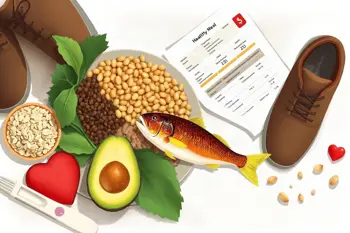
Reducing saturated fat is one of the most established dietary approaches for lowering LDL cholesterol. Common sources include fatty meats, butter, full-fat dairy products, and foods made with coconut or palm oil. Replacing these fats with unsaturated fats from olive oil, nuts, seeds, avocados, and oily fish is generally more favorable for LDL levels. 3 The American Heart Association also recommends limiting trans fats and choosing unsaturated fats in their place. 4
The practical focus is substitution, not simply removing all fat. Meals can emphasize vegetables, beans, whole grains, fish, and minimally processed foods while using smaller portions of foods high in saturated fat. Dietary cholesterol from foods such as eggs and meat has a more moderate effect on blood cholesterol for many people than the overall pattern of saturated and unsaturated fat intake. 6 Nutrition Facts labels can help compare saturated fat, trans fat, and fiber in packaged foods. 10
Increase soluble fiber gradually
Soluble fiber can reduce cholesterol absorption in the digestive tract and encourage the body to use circulating LDL to produce bile acids. Useful sources include oats, barley, beans, lentils, apples, citrus fruits, and psyllium. 6 Unlike a single “cholesterol-lowering” food, the benefit comes from consistent inclusion within an overall eating pattern. Fiber-rich foods also help replace refined carbohydrates and highly processed foods in many meals.
Increasing fiber should be gradual, particularly when psyllium or other concentrated sources are introduced. Adequate fluid intake is important, and anyone taking medication should discuss concentrated fiber products with a healthcare professional because timing can matter. The NHLBI includes increased soluble fiber among lifestyle measures that can improve cholesterol. 2 Plant sterols and stanols are another dietary option that can reduce intestinal cholesterol absorption and modestly lower LDL when used regularly. 12
Use activity and weight management together
Regular aerobic activity, including brisk walking, cycling, or swimming, can support cholesterol management and cardiovascular health. Exercise often has a stronger effect on triglycerides, physical fitness, and overall risk than on LDL alone. 3 A sustainable routine is more relevant than an occasional intense session because cholesterol-related benefits depend on continued habits alongside dietary changes.
When excess weight is present, gradual weight reduction may lower LDL and triglycerides and may increase HDL in some people. 7 Weight management does not require a single prescribed diet; the evidence-supported direction is to reduce energy-dense, highly processed foods while emphasizing vegetables, fruits, legumes, whole grains, nuts, and fish. The NHS also identifies regular exercise and choosing unsaturated fats as measures that can help prevent or reduce high cholesterol. 5
Address tobacco, alcohol, and daily habits
Avoiding tobacco smoke is part of cardiovascular risk reduction, even though smoking is not a direct dietary cause of high LDL. The CDC includes physical activity, weight management, heart-healthy eating, and avoiding tobacco in cholesterol prevention and management guidance. 7 Sleep and stress management also matter because they influence broader cardiovascular health and the ability to maintain dietary and activity routines over time.
Alcohol should not be started as a cholesterol treatment. Limiting alcohol can support overall cardiovascular health, while excess intake may worsen triglycerides and complicate weight management. The NHS includes moderating alcohol, stopping smoking, exercising regularly, and eating less fatty food among measures relevant to cholesterol prevention. 5 These habits require ongoing maintenance, and a temporary diet change may not produce lasting improvement if older patterns return.
Know when natural measures are not enough
Lifestyle changes can produce meaningful improvement, but they do not replace risk-based medical evaluation. MedlinePlus lists a healthy diet, weight control, regular exercise, and not smoking as lifestyle measures for high cholesterol. 8 People with very high LDL cholesterol, familial hypercholesterolemia, diabetes, established cardiovascular disease, or other major risk factors may need medication in addition to lifestyle measures rather than relying on diet alone.
Supplements require particular caution. The National Center for Complementary and Integrative Health notes that red yeast rice products marketed for cholesterol may have significant safety and quality concerns. 9 Clinical guidelines from the American College of Cardiology and American Heart Association emphasize a heart-healthy diet, physical activity, and assessment of overall cardiovascular risk when deciding treatment. 11 Follow-up blood testing is necessary to determine whether LDL, HDL, and triglycerides have changed and whether the management plan remains appropriate.
Sources
- Mayo Clinic, “Top 5 lifestyle changes to improve your cholesterol,” https://www.mayoclinic.org/
- National Heart, Lung, and Blood Institute, “Therapeutic Lifestyle Changes,” https://www.nhlbi.nih.gov/
- Cleveland Clinic, “7 Ways To Lower Cholesterol,” https://health.clevelandclinic.org/how-to-lower-cholesterol
- American Heart Association, “Prevention and Treatment of High Cholesterol,” https://www.heart.org/
- National Health Service, “High cholesterol,” https://www.nhs.uk/
- Harvard Health, “11 foods that can help lower your cholesterol,” https://www.health.harvard.edu/heart-health/11-foods-that-can-help-lower-your-cholesterol
- Centers for Disease Control and Prevention, “Cholesterol Prevention and Management,” https://www.cdc.gov/cholesterol/prevention-management/index.html
- MedlinePlus, “Cholesterol,” https://medlineplus.gov/cholesterol.html
- National Center for Complementary and Integrative Health, “Red Yeast Rice,” https://www.nccih.nih.gov/health/red-yeast-rice
- U.S. Food and Drug Administration, “How to Understand and Use the Nutrition Facts Label,” https://www.fda.gov/food/nutrition-facts-label/how-understand-and-use-nutrition-facts-label
- American College of Cardiology, “2018 Guideline on the Management of Blood Cholesterol,” https://www.acc.org/latest-in-cardiology/ten-points-to-remember/2018/11/12/15/25/2018-guideline-on-the-management-of-blood-cholesterol
- National Lipid Association, “Plant Sterols and Stanols,” https://www.lipid.org/lifestyle/plant_sterols_and_stanols
Authored by MyTrendSpot team