Early symptoms of sleep apnea: A clinical guide to identification and care
Key facts
- Common signs include loud snoring, gasping or choking sounds during sleep, and excessive daytime sleepiness 1 2.
- Medical diagnosis typically involves a sleep study, either performed at home or within a clinical sleep laboratory 3 1.
- Estimated 2026 out-of-pocket costs for a home sleep test range from $200 to $600, while in-lab studies typically range from $800 to $3,000 4 5.
- Untreated sleep apnea is associated with long-term health risks including hypertension, cardiovascular strain, and metabolic concerns 6 7.
Sleep apnea is a chronic medical condition defined by repeated interruptions in breathing during sleep 6 8. These pauses, known as apneas, can last between 10 and 30 seconds and may occur hundreds of times throughout a single night 6. Because these events fragment sleep architecture, they often prevent the body from achieving restorative rest. While the condition is widely recognized, many individuals remain undiagnosed, which can lead to significant long-term health implications, including an increased risk of hypertension, cardiovascular disease, and metabolic disorders 6 7.
Recognizing Early Warning Signs
The early symptoms of sleep apnea are often most noticeable to a bed partner rather than the individual experiencing the condition. The most frequently reported indicator is loud, persistent snoring 8 2. However, snoring alone does not confirm a diagnosis, as many people snore without having sleep apnea 3 8. More specific clinical indicators include witnessed pauses in breathing, followed by gasping, snorting, or choking sounds as the airway attempts to reopen 8 1. These physical manifestations are frequently accompanied by morning headaches, a dry mouth upon waking, and persistent fatigue despite having spent adequate time in bed 6 1.
It is important to note that sleep apnea can present differently in every individual. Some people experience what is clinically referred to as silent sleep apnea, where there is no audible snoring or only very light, intermittent snoring 9. In these cases, the diagnosis is often prompted by symptoms such as unexplained daytime sleepiness, irritability, and decreased cognitive alertness, which can impair performance and increase the likelihood of accidents 6 9. Individuals observing these symptoms are generally advised to consult a primary care physician, who may then provide a referral to a sleep medicine specialist or pulmonologist 6.
The Diagnostic Process
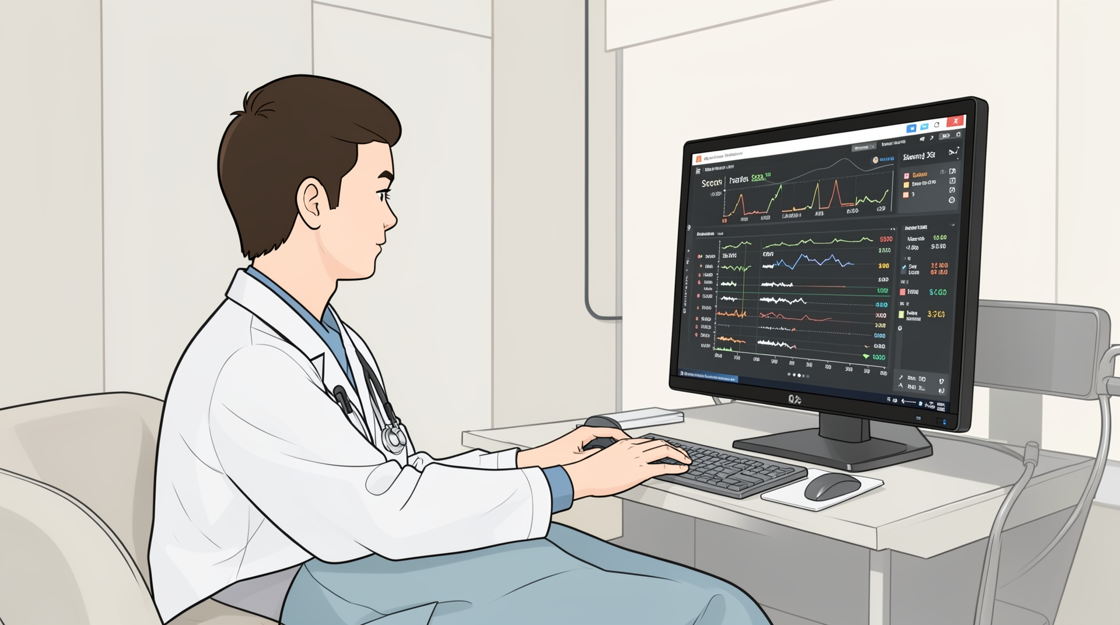
In a clinical setting, the diagnosis of sleep apnea relies on an objective evaluation known as a polysomnogram, or sleep study 7. This diagnostic tool monitors brain activity, eye movement, heart rate, oxygen levels, and respiratory effort while the patient sleeps 7. Depending on clinical necessity and individual health factors, this test may be conducted in a specialized sleep clinic or as a home sleep apnea test (HST) using portable monitoring equipment 1 10. The gathered data allows specialists to identify the type of sleep apnea, whether it is obstructive, caused by physical airway blockage, or central, resulting from irregular signaling by the brain stem 6 2.
Treatment Options and Clinical Approaches
Once a diagnosis is confirmed, treatment aims to restore stable breathing patterns and maintain airway patency during sleep 1. Continuous Positive Airway Pressure (CPAP) therapy remains a common first-line treatment for moderate to severe obstructive sleep apnea 11. CPAP works by delivering a constant stream of air through a mask to keep the throat muscles and tissues from collapsing 2. For patients who may struggle with CPAP adherence, alternatives such as custom-fitted oral appliances-which reposition the jaw to open the airway-are often considered 11 4. In specific skeletal or anatomical cases, surgical interventions may be evaluated by specialists to provide a more permanent improvement in airway structure 11.
Financial Considerations and Coverage
The costs associated with testing and treatment in the United States vary significantly depending on the facility, region, and the patient’s insurance plan. As of 2026, market estimates indicate that a home sleep test typically ranges from $200 to $600, while more comprehensive in-lab sleep studies often cost between $800 and $3,000 4 5. Regarding equipment, CPAP machines and supplies may range from $500 to $3,000, and custom oral appliances often range from $1,500 to $4,200 4. Most private health plans and Medicare provide coverage for these procedures when they are deemed medically necessary, though patients are encouraged to verify their specific benefits and deductible requirements before proceeding 4 10.
Risks of Untreated Sleep Apnea
Leaving sleep apnea untreated carries risks that extend beyond simple daytime drowsiness. The repetitive cycle of airway obstruction and the resulting drops in blood oxygen levels place significant strain on the cardiovascular system 2. This physiological stress is linked to long-term conditions such as hypertension and an increased risk of stroke or heart attack 6 7. Furthermore, the chronic sleep fragmentation associated with the disorder can negatively affect metabolic health and cognitive function, reinforcing the medical consensus that suspected symptoms warrant professional clinical investigation 1 2.
Seeking Professional Evaluation
Patients suspecting they have sleep apnea should begin by discussing their symptoms with a healthcare professional. A physician will typically conduct an initial physical examination and review medical history to determine if a formal sleep study is required 6 1. During this process, patients should feel empowered to ask for itemized estimates and clarification on billing codes from their chosen facility to understand the expected out-of-pocket costs 4. Early intervention remains the most effective strategy for managing the condition and mitigating its associated health risks.
Sources
- Sleep Apnea Treatment: Signs, Risks, And Care - Acibadem Hospitals Group: https://acibademinternational.com/health-library/sleep-apnea-treatment-early-signs-risk-factors-and-how-it-is-treated/
- Obstructive Sleep Apnea: Symptoms, Causes, Treatment - Acibadem Hospitals Group: https://acibademinternational.com/health-library/obstructive-sleep-apnea-explained-by-medical-evidence-not-myths/
- Does Snoring Mean Sleep Apnea? | Sleep Foundation: https://www.sleepfoundation.org/sleep-apnea/is-it-snoring-or-sleep-apnea
- How Much Does Sleep Apnea Treatment Cost in 2026: https://wakewellnow.com/science/sleep-apnea-treatment-cost-2026
- Sleep Study Insurance: What's Covered | CPAP Clarity: https://cpapclarity.com/learn/sleep-test-insurance-coverage
- Sleep Apnea - Harvard Health: https://www.health.harvard.edu/sleep/sleep-apnea-a-to-z
- Sleep Study: What to Expect, Costs & What It Tests (2026): https://mymedicineadvisor.com/health/sleep-study-polysomnography/
- Obstructive sleep apnea - adults: https://www.pennmedicine.org/conditions/obstructive-sleep-apnea-adults
- Sleep Apnea Without Snoring: Is It Possible?: https://health.clevelandclinic.org/can-you-have-sleep-apnea-without-snoring
- Are Sleep Studies Covered by Insurance? What You Actually Pay for Sleep Apnea Testing | Dumbo Health Blog: https://www.dumbo.health/blog/are-sleep-studies-covered-by-insurance-what-you-actually-pay-for-sleep-apnea-testing
- Redefining Obstructive Sleep Apnea: Treatment in the Modern ...: https://pmc.ncbi.nlm.nih.gov/articles/PMC13029657
Authored by MyTrendSpot team