Motorcycles for sale at police auction: An objective overview of procurement and disposal processes
The Mechanics of Municipal Motorcycle Auctions
Police departments across various jurisdictions frequently engage in the systematic disposal of motorcycles that are either decommissioned from fleet duty or classified as unclaimed property 1, 7. These auctions serve as a mechanism for agencies to clear valuable storage space and recover taxpayer investment in equipment that has outlived its operational life cycle 10, 11. When patrol units reach a point where maintenance requirements, high mileage, or mechanical degradation impact reliability, departments often elect to list them for public sale rather than liquidating them for scrap 10.
These events occur through a variety of channels, ranging from specialized government surplus platforms to local, in-person municipal auctions held at impound lots 5. Major online portals, such as GovDeals, provide centralized access for agencies to list items, allowing for broader participation than traditional physical sales 3, 10. While the platforms vary, the underlying goal remains consistent: the legal and efficient disposition of public assets 7, 11.
Common Auction Platforms and Jurisdictional Logistics
Government agencies utilize diverse digital infrastructures to facilitate the sale of motorcycles. Platforms such as Auction757, for instance, frequently host auctions for municipal police departments, often bundling motorcycles with broader fleets of cars, trucks, and vans 2, 4, 6. These sites provide transparency by outlining the date, time, and specific terms of sale for each event 4, 8. Other entities may utilize large-scale marketplaces like GovDeals to manage their surplus inventory, requiring users to register and verify their identities before placing bids 3, 10.
Locally, city police departments maintain individual schedules for the auctioning of seized or unclaimed items, which can include two-wheeled vehicles that have remained in agency custody past the statutory holding period 5, 7. Prospective participants are generally encouraged to check the official procurement or property division websites of their specific municipality for announcements on upcoming sales, as schedules can be subject to change based on internal department needs and inventory accumulation 5, 7.
Understanding the 'As-Is' Condition of Surplus Equipment
A critical aspect of police auctions is the inherent status of the inventory, which is almost universally sold on an as-is basis 5, 10. This means that the buyer assumes all responsibility for the condition of the motorcycle upon the conclusion of the sale, and there are typically no warranties, guarantees, or options for refunds 5. Vehicles may exhibit wear and tear consistent with daily patrol usage, such as accelerated engine fatigue from rapid acceleration or intensive braking cycles, as noted by law enforcement officials 10.
Because the physical state of these motorcycles can vary significantly, due diligence remains the responsibility of the potential bidder 2, 4. While some units may be fully operational with keys ready for immediate use, others may require significant mechanical intervention or serve as sources for parts 5. Agencies often recommend, and sometimes provide, opportunities for physical inspection days prior to the auction to allow participants to assess the mechanical state beyond what is depicted in digital listings 2, 4, 5.
Regulatory and Procedural Hurdles
Participating in a police auction involves strict adherence to municipal statutes and procedural rules. Requirements often include being a minimum age of 18, possessing a valid government-issued photo identification, and, in the case of in-person auctions, purchasing a bid card 5. Any deviation from the stipulated terms, such as failure to complete payment by the mandated deadline, often results in immediate forfeiture of the bid and potential permanent exclusion from future departmental auctions 5. Payment processes are often rigid, sometimes requiring cash or specific payment methods to be settled within a short window, such as 3 to 5 business days 5, 10.
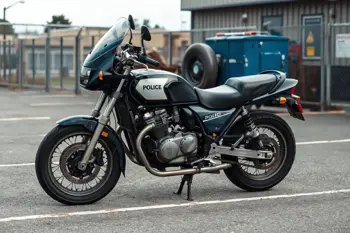
Buyers must also navigate the administrative complexities of titling and registration. Following a successful bid, the department provides documentation, such as a bill of sale, which the purchaser must then process through their local motor vehicle department 5. These processes carry inherent costs beyond the final bid amount, including taxes, title transfer fees, and potential expenses related to the specialized transport of non-functional motorcycles 10.
Transparency and Public Perception
The process of auctioning unclaimed or surplus property is subject to intense public and legal scrutiny regarding transparency and publicity. In some instances, concerns have been raised by advocates regarding whether auctions receive sufficient public visibility to ensure a fair market realization 9. For example, instances where a limited number of bidders participate in a sale have led to discussions regarding the adequacy of outreach efforts and the perceived value of the vehicles being liquidated 9. Such controversies highlight the necessity for clear, standardized procedures in how police departments conduct and publicize their sales to ensure public trust in the use of taxpayer property 9.
To mitigate these concerns, many departments lean toward established third-party auction platforms that mandate clear rules and provide public records of the bidding process 1, 2. These systems provide a framework for accountability, ensuring that the proceeds from the sale of these assets are returned to the municipal treasury for the benefit of the local community, such as funding public safety initiatives or infrastructure maintenance 1.
Strategic Considerations for Prospective Buyers
Before committing to participate in a government auction, individuals should undertake a comprehensive risk assessment. Beyond the final price, the total cost of acquisition should factor in the potential for hidden mechanical faults, the cost of title registration, and the logistical challenges of transporting a vehicle that may not be roadworthy 10. Utilizing external reports, such as vehicle history databases, can provide some context on the history of the asset, though these databases are independent of the auction agencies themselves 2, 4.
Ultimately, the market for police-auctioned motorcycles is driven by the inventory needs of the department, which are rarely aligned with consumer demands for specific models or years. Participants who approach these auctions as informed observers, rather than casual consumers, are better positioned to understand the limitations of the process, the risks associated with as-is sales, and the potential value that can be extracted from decommissioned public assets 10.
Sources
- Schuylkill Haven police auctioning off Harley Davidson – Pottsville Republican Herald
- Norfolk Police Auction | August 13, 2026 | Auction757
- GovDeals Motorcycles Auction Portal
- Norfolk Police Auction | May 7, 2026 | Auction757
- Public Auctions | Saint Paul Minnesota
- Norfolk Police Towing Auction | 2-5-2026 | Auction757
- Police Auctions - City of Columbus, Ohio
- Norfolk Police Auction | January 8, 2025 | Auction757.com
- Rewa Police Auctions 39 Unclaimed Bikes for ₹85,000 - Dainik Jagran English
- Keizer police auctioning off a trailer, motorcycle, and cars - Keizertimes
- National Association of State Procurement Officials (NASPO) Guidelines
Authored by MyTrendSpot team