Affordable lower-jaw dental implants near me: A Guide to Clinical Options and Financial Considerations
Patients seeking solutions for missing teeth in the lower jaw frequently investigate the feasibility of implant-supported restorations. Dental implants function as prosthetic tooth roots, providing essential structural support for bridges or dentures while helping to mitigate the progression of jawbone resorption that often follows tooth loss 1. Understanding the clinical requirements and financial landscape of these procedures is critical for individuals evaluating restorative options, as the path to a functional smile involves various surgical, material, and administrative considerations 2.
Understanding the Clinical Scope of Lower-Jaw Implant Procedures
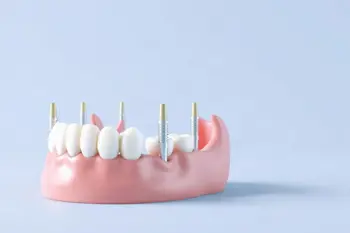
For individuals with a completely toothless lower jaw, a two-implant mandibular overdenture is a frequently utilized, evidence-supported clinical approach to improve denture retention compared to traditional removable options 3. Unlike standard dentures, which may slip or cause discomfort, implant-supported dentures anchor directly to titanium posts, allowing for improved speech and chewing capability 4. Procedures range from single-tooth replacements to full-arch solutions such as the All-on-4 or All-on-6 methods, where a fixed bridge is supported by four to six implants 5.
The surgical journey typically involves an assessment of jawbone density using digital imaging, such as 3D CBCT scans, to determine candidacy 6. In cases where bone volume is limited, alternative solutions like mini dental implants, which have a diameter of less than 3 millimeters, may be considered. These smaller-diameter posts often require less invasive surgical intervention and may reduce the need for preparatory procedures such as bone grafting 7. However, the final choice of system depends on individual anatomical factors, bone quality, and long-term oral health goals 8.
Analyzing Cost Components and Transparency
The total cost of dental implants is rarely a single, fixed fee, but rather an accumulation of various clinical components. A comprehensive treatment plan typically itemizes costs for imaging, surgical placement, the abutment, the final prosthesis, and any necessary extractions or preparatory surgeries 9. Prices can vary significantly based on the materials used, such as standard ceramic crowns versus high-end zirconia restorations, and the complexity of the specific case 10. Practices often highlight the importance of obtaining a detailed, pre-treatment quote to avoid unexpected billing.
Market research indicates that some providers seek to reduce out-of-pocket expenses by streamlining lab workflows or utilizing in-house surgical and restorative expertise, which can eliminate the need for costly external specialist referrals 11. When comparing clinics, it is prudent to investigate whether the quoted price includes the surgical guide, all necessary surgical stages, and the final restoration. Transparency in these billing practices is widely regarded as a benchmark for quality care, ensuring that patients understand what is included in their overall financial commitment 12.
Financial Assistance and Accessibility Resources
For many patients, the cost of implant dentistry is the primary barrier to treatment. To manage these expenses, many dental offices offer financing plans that allow for costs to be spread over 24 months or more, sometimes featuring low-interest or zero-interest options for qualified applicants 13. Beyond private financing, individuals may explore various public and institutional avenues to reduce the financial burden of care. These include dental-school clinics, where treatment is provided by supervised dental students or residents at a reduced cost, and federally funded health centers that utilize a sliding-fee scale based on household income 14.
Insurance coverage for dental implants remains highly variable. Many plans contain annual limits, waiting periods, or explicit exclusions for implant services, making it essential for patients to verify their specific coverage before proceeding 15. Additionally, while Medicaid programs vary by state, they may provide limited coverage for dentures or implant-related services under specific medical or functional circumstances. Patients are encouraged to consult with their state Medicaid office to determine current eligibility criteria and benefit limitations for restorative dental work 16.
Evaluating Provider Qualifications and Treatment Planning
Selecting a practitioner for lower-jaw implants requires evaluating both clinical experience and communication transparency. The American Academy of Implant Dentistry offers resources to help patients locate qualified providers and understand the differences in surgical training 17. A high-quality consultation should include a thorough review of the patient's medical history, a discussion of the risks and benefits of the proposed procedure, and a clear explanation of alternative treatments 18. Patients should inquire about the surgeon’s experience with specific techniques, such as the use of surgical guides, which can improve precision and shorten recovery times.
Furthermore, an objective evaluation of a practice should include an inquiry into their warranty terms and long-term maintenance protocols. Dental implants require consistent follow-up care to ensure the health of the surrounding gum tissue and the stability of the prosthetic attachment 19. A responsible dental office will provide clear expectations regarding the recovery timeline, potential risks of complication, and the level of home care required to maintain the longevity of the implant system over decades of use 20.
Risk Mitigation and Long-Term Oral Health
While dental implants boast high success rates, they are not immune to complications. Factors such as smoking, uncontrolled diabetes, and inadequate oral hygiene can jeopardize the integration of the implant with the jawbone 21. It is essential for patients to understand that opting for the lowest sticker price without considering the quality of materials or the surgeon's qualifications can lead to higher long-term costs due to potential failure or the need for revision surgery. Experts emphasize that the safest path to affordability involves avoiding unnecessary procedures while never compromising on essential elements like 3D imaging, proper titanium quality, or the surgical guide 22.
Patients should also consider the benefits of a phased treatment approach if a comprehensive, same-day solution is not financially or clinically feasible. By prioritizing the most urgent dental needs first and completing others later, patients can secure essential function while remaining within their budget constraints 23. This approach, coupled with careful research into the provider's history, allows for a more controlled transition to implant-supported tooth replacement, focusing on durable, functional results rather than immediate, low-cost solutions that may lack long-term reliability 24.
Summary of Key Considerations for Implant Candidates
Navigating the search for dental implants requires an objective understanding of the medical process and the financial commitments involved. From the selection of the implant system-such as traditional vs. mini implants-to the verification of insurance coverage and the assessment of practitioner qualifications, every step impacts the final outcome. By focusing on evidence-based options like mandibular overdentures and utilizing available resources such as dental schools or sliding-fee clinics, patients can make informed decisions that align with their health needs and financial circumstances 25.
The goal of any restoration is to improve life quality, chewing function, and speech. As with any surgical procedure, a 360-degree view of the risks, maintenance requirements, and administrative details is necessary for a successful experience. Whether a patient is beginning their research or preparing for a consultation, maintaining an focus on clinical standards and transparent, itemized communication will remain the most effective strategy for achieving a lasting and functional oral health outcome 26.
Sources
- National Institute of Dental and Craniofacial Research
- Mayo Clinic
- PubMed
- Cleveland Clinic
- The Avenue Dental
- Emmanuel Dental & Orthodontics
- Union City Mini Dental Implants
- 5D Smiles
- American Dental Association MouthHealthy
- CareCredit
- Cleveland Implant Institute
- Trump Village Dental
- Affordable Dentures & Implants
- Health Resources and Services Administration
- American Dental Education Association
- Medicaid.gov
- American Academy of Implant Dentistry
- Great Smiles Family Dentistry
- Dental Lifeline Network
Authored by MyTrendSpot team