Shortness of breath, sweating, and other heart attack warning signs: A clinical guide to recognizing symptoms
Shortness of breath, sweating, and other heart attack warning signs can appear with or without the classic symptom of severe chest pain. Symptoms may be subtle, intermittent, or different from one person to another, making recognition important for men and women alike.
How a heart attack causes symptoms
A heart attack, also called a myocardial infarction, occurs when a coronary artery becomes suddenly blocked or develops extremely slow blood flow. A clot commonly forms in an artery already narrowed by atherosclerosis, in which fatty plaque accumulates along the vessel wall. Reduced blood flow deprives part of the heart muscle of oxygen, and that area can become damaged or die if circulation is not restored. 1
Acute coronary syndromes include both unstable angina and heart attack. Unstable angina involves worsening symptoms and evidence that heart tissue is being affected without tissue death, while a heart attack involves the death of heart muscle caused by inadequate blood supply. Doctors distinguish these conditions with electrocardiography and blood tests that measure cardiac troponin. 2
Shortness of breath and sweating
Shortness of breath is a common heart attack symptom and may occur with chest discomfort or on its own. A person may feel unable to draw a satisfying breath, become breathless during usual activities, or develop unexplained breathing difficulty at rest. Because the symptom can resemble a lung problem, anxiety, or physical fatigue, its significance may be missed, particularly when chest pain is absent. 2
Profuse or cold sweating is another recognized warning sign of cardiac distress. Sweating that appears without physical exertion, especially when combined with breathlessness, nausea, weakness, or chest pressure, should not be dismissed as ordinary perspiration. Heart attack symptoms can vary in intensity, and a mild presentation does not reliably indicate that the underlying event is minor. 4
Chest discomfort and pain patterns
Chest discomfort remains the most common heart attack symptom, but it is not always described as sharp pain. Reports may include pressure, squeezing, aching, tightness, fullness, or a heavy sensation in the center or left side of the chest. The discomfort can last several minutes, return after easing, or occur together with shortness of breath, fatigue, nausea, or sweating. 4
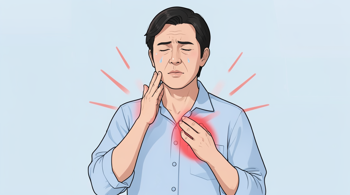
Pain or discomfort can also be felt outside the chest. Areas associated with reported heart attack symptoms include one or both arms, the neck, jaw, back, and stomach. The presence, location, and severity of discomfort differ among individuals, so the absence of dramatic chest pain does not exclude a heart attack. Symptoms that come and go can also represent a developing cardiac problem. 7
Other warning signs to recognize
Nausea, vomiting, indigestion-like discomfort, lightheadedness, dizziness, and unusual fatigue may accompany a heart attack. Some people report a general sense that something is wrong rather than a clearly defined symptom. Sudden weakness or fainting can be particularly concerning when it occurs with breathing difficulty, chest discomfort, sweating, or pain in the upper body. 4
Unusual fatigue may precede a heart attack by hours, days, or even weeks, according to cardiology guidance summarized by Cleveland Clinic. Other early patterns include chest discomfort that repeatedly appears and resolves, shortness of breath during routine activity, episodes of nausea, and a general feeling of being unwell. These symptoms may occur separately rather than as one recognizable cluster. 3
Why symptoms may differ between people
Heart attack symptoms vary according to factors including sex, age, and underlying health conditions. Women may be more likely than men to experience symptoms such as back pain, shortness of breath, cold sweats, tiredness, nausea, lightheadedness, anxiety-like feelings, jaw pain, or finger tingling alongside or instead of prominent chest discomfort. These differences can contribute to symptoms being attributed to stress or indigestion. 6
Some heart attacks produce few symptoms or no obvious chest sensation. That possibility is clinically important because people may continue normal activities while heart muscle is being injured. Risk factors that increase concern include high blood pressure, high cholesterol, smoking, diabetes, and certain pregnancy-related conditions, including preeclampsia. Family history and other cardiovascular conditions can also affect an individual’s risk profile. 6
What to do when symptoms are suspected
A person who suspects a heart attack should contact emergency medical services and describe the symptoms clearly, including when they began and whether they are worsening or recurring. Emergency responders can begin assessment before hospital arrival, while hospital clinicians commonly use an electrocardiogram and cardiac blood tests to evaluate the heart. Driving oneself can create additional risk if symptoms intensify or consciousness is impaired. 2
Consumer medical guidance advises calling emergency help when acute coronary syndrome is suspected and, where medically appropriate, chewing an aspirin tablet after making that call. Aspirin is not suitable for everyone, including some people with allergy or bleeding risks, so emergency-dispatcher or clinician instructions should guide its use. The central principle is that suspected cardiac symptoms require professional assessment rather than self-diagnosis based on symptom severity alone. 2
Conditions that can resemble a heart attack
Shortness of breath, sweating, nausea, dizziness, and chest discomfort can occur in conditions other than a heart attack, including respiratory illness, gastrointestinal problems, panic symptoms, or musculoskeletal pain. However, symptom overlap makes it unsafe to rule out a cardiac cause without medical evaluation. A fleeting episode may still matter because early symptoms can wax and wane before a more serious event develops. 3
Diagnosis cannot be established reliably from symptoms alone. Clinicians assess the pattern, timing, associated signs, medical history, and risk factors, then use electrocardiography and cardiac troponin testing to determine whether heart muscle injury is present. Treatment for confirmed acute myocardial infarction may involve medicines that reduce clotting, nitrates, and procedures intended to restore blood flow, depending on the type and severity of the event. 5
Sources
- 1. Harvard Health, Heart Attack (Myocardial Infarction)
- 2. Merck Manual Consumer Version, Acute Coronary Syndromes
- 3. Cleveland Clinic, Warning Signs of a Heart Attack
- 4. Cleveland Clinic, What a Heart Attack Can Feel Like
- 5. Merck Manual Professional Edition, Acute Myocardial Infarction
- 6. Johns Hopkins Medicine, Heart Attacks in Women
- 7. AP News, Women’s Heart Attack Symptoms
Authored by MyTrendSpot team