How to Detox Liver Safely: An Evidence-Based Clinical Review of Hepatic Health Management
Understanding the Biological Role of the Liver
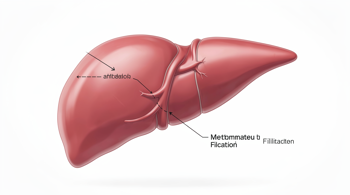
The human liver serves as the body’s primary filtration and metabolic control center 1. It is tasked with processing nutrients, neutralizing chemicals, and metabolizing medications into substances that the body can either utilize or safely excrete 2, 5. This organ operates continuously, converting toxins into waste products and maintaining blood health without the need for external intervention or specialized cleansing protocols 1, 2. In a healthy physiological state, the liver effectively handles metabolic byproducts such as ammonia, urea, and various environmental stressors on its own 2, 3.
Because the liver functions as an automated biological system, the concept of needing a manual 'detox' or 'reset' is often disconnected from clinical reality 5. The liver, in concert with the kidneys, lungs, and skin, maintains internal homeostasis through natural detoxification processes 3, 9. Relying on the body's internal, well-documented physiological pathways is considered the most secure approach for long-term health, as these systems have evolved to manage toxin exposure efficiently and effectively throughout an individual's lifetime 5.
The Risks Associated with Commercial Detox Products
The marketplace is saturated with various detox teas, juice cleanses, supplements, and colon flushes that claim to repair or cleanse the liver 1, 4. However, medical experts, including hepatologists, consistently highlight that these products often lack rigorous clinical testing and are not regulated by bodies such as the U.S. Food and Drug Administration (FDA) 1, 13. This absence of oversight means that ingredients may not be uniform, and their long-term effects on human physiology remain largely unverified by peer-reviewed research 1, 4.
Furthermore, many of these products carry significant, documented health risks. The use of unregulated herbal or dietary supplements has been linked to cases of drug-induced liver injury, potentially leading to hepatitis, severe liver failure, or the clinical necessity for a liver transplant 14. Cleanses that involve fasting or extreme caloric restriction may also cause dangerous electrolyte imbalances, dehydration, and nutrient deficiencies 3, 9. Individuals with underlying health issues, including diabetes, kidney disease, or pre-existing liver conditions, face heightened risks when engaging in these unproven regimens 2, 9.
Evidence-Based Strategies for Supporting Liver Health
Instead of seeking short-term fixes or potentially harmful detox kits, clinical nutrition guidelines emphasize the importance of sustainable, evidence-based lifestyle habits 6. Maintaining a healthy body weight is a cornerstone of hepatic health, as it significantly reduces the risk of metabolic dysfunction-associated steatotic liver disease (MASLD), formerly known as non-alcoholic fatty liver disease 6, 16. This approach includes regular physical activity and a balanced diet rich in whole grains, fruits, vegetables, and lean proteins rather than restrictive, fad-based eating patterns 2, 8.
For those interested in how specific nutrients interact with liver health, medical professionals sometimes monitor the use of supplements in clinical contexts, such as vitamin E, which has shown some promise in reducing inflammation in specific populations 8. However, these are never a substitute for healthy lifestyle changes and should only be initiated under the guidance of a physician 8. The following table summarizes foundational habits that provide reliable support for hepatic function based on current clinical consensus:
| Category | Recommended Action |
|---|---|
| Dietary Habits | Prioritize whole, unprocessed foods and fiber-rich meals. |
| Alcohol Management | Limit or eliminate alcohol to reduce the workload on the liver. |
| Physical Activity | Maintain consistent exercise to aid weight management. |
| Medical Oversight | Consult a doctor before starting any supplement regimen. |
The Role of Alcohol and Medication in Liver Function
Alcohol is a primary substance that requires direct processing by the liver, making it a critical factor in hepatic health 5. While the liver possesses the capacity to process alcohol in moderate amounts, repeated or excessive consumption creates an ongoing insult that limits the organ's ability to repair itself 5, 15. The World Health Organization notes that there is no level of alcohol consumption that is completely devoid of risk regarding liver health, suggesting that reduction is the safest strategy for preventing damage 17.
In addition to alcohol, the misuse or interaction of various medications, herbal products, and environmental toxins can cause significant injury to liver tissue 6. It is imperative that individuals do not discontinue or replace prescribed medical treatments with detox cleanses without explicit clinical guidance, as abruptly stopping certain medications can lead to adverse health outcomes 10. Always discuss the full spectrum of supplements and medications with a healthcare professional to identify potential contraindications for liver health 10.
Recognizing When to Seek Professional Medical Care
Liver disease can often progress in its early stages without presenting noticeable symptoms, which makes regular medical checkups essential for those at risk 6, 8. Relying on self-directed 'detoxes' or feeling a perceived change after a cleanse can dangerously delay the diagnosis of significant medical conditions 6. Clinical evaluation is required if an individual experiences specific physical markers that may indicate liver distress 2.
Medical professionals advise that the following symptoms warrant immediate evaluation by a healthcare provider:
- Persistent jaundice, characterized by yellowing of the skin or eyes 2, 6.
- Unexplained, severe abdominal swelling or distension 2, 6.
- Confusion or altered mental status 6, 18.
- Presence of blood in vomit or unusual, unexplained bleeding 6, 18.
- Dark-colored urine or pale-colored stools 2, 18.
Preventative Measures for Viral Hepatitis and Long-Term Protection
Beyond daily lifestyle choices, long-term liver protection involves active disease prevention through immunization and screening 2. Vaccination for hepatitis A and hepatitis B is a standard, highly effective method for reducing the risk of viral liver infections 19. Furthermore, avoiding behaviors that increase the risk of bloodborne pathogen transmission, such as sharing personal items contaminated with blood or sharing needles, is essential for maintaining long-term hepatic integrity 10, 19.
For those concerned about hepatitis C, clinical guidelines recommend that adults between the ages of 18 and 79 undergo screening, as early detection allows for the application of effective, curative oral antiviral therapies 20. These evidence-based medical interventions offer a level of safety and efficacy that no commercial detox product can provide. Focusing on these preventive measures, alongside a consistent, healthy lifestyle, remains the most secure method for protecting the liver for the long term 6.
Sources
- Johns Hopkins Medicine, Detoxing Your Liver: Fact Versus Fiction
- Acibadem Hospitals Group, Detox And Liver: An Evidence-Based Guide From Clinical Nutrition
- UT MD Anderson, The Facts Behind 5 Detox Myths
- PBS News, How to 'detox' your body for free
- The Independent, I’m a liver specialist. Here’s the truth about four common detoxes
- Acibadem Hospitals Group, Liver Health Formula: Evidence-Based Daily Care
- The Healthy, Do You Need to Detox Your Liver?
- Mayo Clinic, Vitamins and supplements for fatty liver disease
- Acibadem Hospitals Group, Detox Explained by Medical Evidence
- General Health Data and Clinical Guidelines
- National Center for Complementary and Integrative Health
- Mayo Clinic, Liver Cleanse: Can it prevent liver damage?
- Harvard Health Publishing, The Dubious Practice of Detox
- U.S. Food and Drug Administration, Think Your Supplements Are Safe?
- National Institutes of Health, LiverTox Resource
- Centers for Disease Control and Prevention, Alcohol Use and Your Health
- National Institute of Diabetes and Digestive and Kidney Diseases, Treatment for NAFLD/NASH
- Cleveland Clinic, Liver Detox: Fact or Fiction
- National Health Service, Liver Disease Symptoms
- World Health Organization, Alcohol Consumption and Liver Disease
- MedlinePlus, Hepatitis Prevention
- U.S. Preventive Services Task Force, Hepatitis C Screening
Authored by MyTrendSpot team