Early signs of liver disease: clinical warning signs, diagnosis and treatment pathways
Key facts
- Early liver disease often causes no symptoms, while fatigue, nausea and right upper abdominal discomfort can be nonspecific signs. 1 2
- A liver evaluation commonly combines medical history, examination, blood testing and imaging such as ultrasound. 3
- Published 2026 cash-pay estimates place a liver panel at about $30 to $250, depending on the panel and setting. 4 5
- Vomiting blood, black stools, new jaundice, confusion or difficulty staying awake require emergency medical assessment. 1
Early signs of liver disease are often difficult to recognize because many liver conditions produce few or no symptoms at first. Liver disease is a broad term covering viral hepatitis, metabolic dysfunction-associated steatotic liver disease, alcohol-related injury, fibrosis, cirrhosis and bile duct disorders. A qualified healthcare professional is needed to distinguish these causes through clinical assessment rather than symptoms alone.
What early liver disease can look like
Fatigue, general malaise, nausea, vomiting, reduced appetite, unintentional weight loss, itching and mild discomfort beneath the right ribs are recognized possible early features. Cirrhosis guidance also lists weakness, muscle loss, cramps and sexual problems among potential early symptoms. These signs are not specific to liver disease and may arise from many other conditions, so they cannot establish a diagnosis by themselves. 1 2
Metabolic dysfunction-associated steatotic liver disease, formerly called nonalcoholic fatty liver disease, is particularly likely to remain silent. The National Institute of Diabetes and Digestive and Kidney Diseases notes that it may cause no symptoms even when substantial disease is present, although tiredness or upper-right abdominal discomfort can occur. Risk assessment may consider obesity, type 2 diabetes, insulin resistance, abnormal blood fats and metabolic syndrome. 6
Signs that can indicate more advanced damage
Yellowing of the skin or whites of the eyes, dark urine, easy bruising, swelling of the legs or abdomen, severe itching and changes in thinking can occur as liver function worsens. Abdominal swelling may reflect ascites, while confusion can be associated with hepatic encephalopathy. Fibrosis itself may produce no symptoms until cirrhosis develops, which helps explain why a normal-feeling person may still require risk-based testing. 2 7
Some symptoms need emergency assessment rather than a routine appointment. Vomiting blood, very dark or tar-like stools, unusual confusion, difficulty staying awake, trouble breathing or newly developed jaundice are listed as red flags by Liver UK. These findings can have causes other than cirrhosis, but they may signal bleeding, impaired brain function or serious liver complications. 1
- Vomiting blood or black, tar-like stools can indicate gastrointestinal bleeding.
- Confusion or unusual sleepiness can indicate impaired processing of toxins.
- New jaundice requires prompt medical evaluation, particularly when combined with other symptoms.
Which clinicians diagnose liver conditions
Assessment often begins in primary care, where a clinician reviews alcohol exposure, medicines, supplements, viral hepatitis risks, metabolic conditions and family history. A gastroenterologist specializes in digestive diseases and commonly evaluates abnormal liver blood tests. A hepatologist has focused expertise in liver, gallbladder and bile duct disorders and may manage complex hepatitis, advanced fibrosis, cirrhosis or transplant-related care.
Hospital-based gastroenterology departments, specialist hepatology clinics and multidisciplinary liver centres represent different levels of care. General hospitals can provide initial testing, inpatient monitoring and emergency treatment, while specialist centres may coordinate hepatology, radiology, pathology, surgery and transplant services. The appropriate route depends on symptoms, test results, disease severity and local referral rules, with a qualified professional determining whether specialist assessment is appropriate.
Tests used to investigate liver health
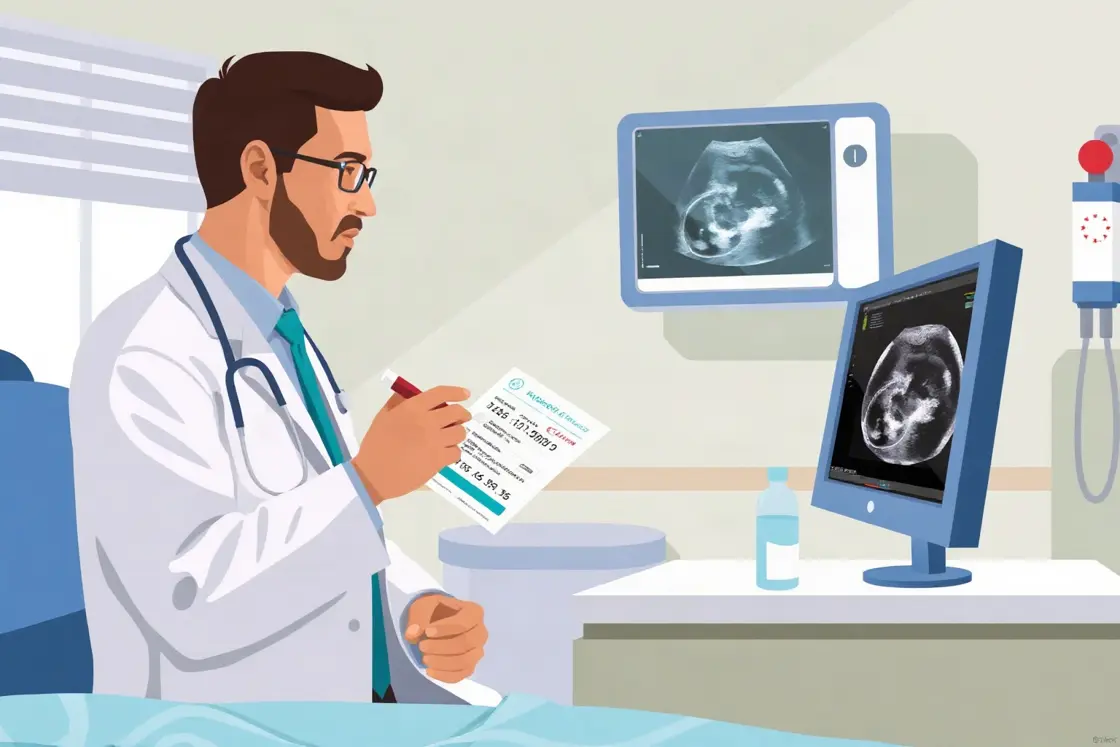
A typical evaluation combines medical history, physical examination, blood tests and imaging. A hepatic panel may include alanine aminotransferase, aspartate aminotransferase, alkaline phosphatase, bilirubin, albumin and total protein; some panels also include gamma-glutamyl transferase, lactate dehydrogenase or clotting measures. Results are interpreted together because an isolated abnormal value does not identify a single cause. 3 4
Ultrasound can assess liver appearance, bile ducts and some signs of fatty change. Depending on the clinical question, a clinician may order additional imaging, such as MRI, or noninvasive stiffness testing such as FibroScan. A liver biopsy is sometimes used when blood tests and imaging cannot clarify inflammation, scarring or the underlying diagnosis. Testing choices depend on medical history, examination and initial results rather than a fixed sequence.
Treatment pathways by cause and stage
Treatment is individualized because hepatitis, fatty liver disease, alcohol-related injury, autoimmune disease, medication effects and bile duct disorders require different approaches. Options can include antiviral medicines for selected viral infections, stopping or changing a causative medicine under professional supervision, structured management of metabolic risk factors, alcohol-related care, monitoring, or medicines that address complications. Lifestyle changes may form part of care for some metabolic conditions, but a clinician or dietitian should tailor them to the diagnosis.
Advanced disease may require treatment for fluid accumulation, bleeding risk, itching, infection or cognitive changes. Procedures can include endoscopic management of enlarged veins or drainage of fluid in selected circumstances. Liver transplantation is a specialist pathway for carefully assessed cases of irreversible liver failure or selected liver cancers, with eligibility determined by a transplant team. No treatment is suitable for every liver condition, and medicines can carry adverse effects or interact with alcohol and other drugs.
Typical US costs and coverage considerations
Published 2026 cash-pay estimates vary by laboratory, location, panel contents and billing method. One cost guide places a basic liver panel at about $30 to $120, while a broader treatment-cost guide lists initial blood testing at approximately $80 to $250. These are market estimates, not quotes, and may exclude clinician review, blood-draw fees, facility charges or follow-up testing. 4 5
| Service | Published cash-pay estimate |
|---|---|
| Basic liver panel | $30 to $120 |
| Initial ALT and AST blood panel | $80 to $250 |
| Abdominal ultrasound | $200 to $700 |
| FibroScan | $300 to $1,200 |
| Gastroenterology visit | $200 to $450 |
| Liver biopsy | $1,500 to $6,000 |
Public coverage and private health plans may reduce patient responsibility when testing is medically indicated, but deductibles, copayments, coinsurance, referral rules, network limits and prior authorization can change the final amount. A specialist visit, imaging appointment and biopsy may each generate separate charges. Before nonemergency care, a qualified clinic billing office can explain expected professional, facility and laboratory fees, while urgent red-flag symptoms should be assessed without delaying for cost comparisons.
Sources
- Symptoms of liver disease - Liver UK: https://liveruk.org/about-liver-disease/symptoms-of-liver-disease/
- Symptoms & Causes of Cirrhosis - NIDDK: https://www.niddk.nih.gov/health-information/liver-disease/cirrhosis/symptoms-causes
- Liver Disease Symptoms: Causes And When To Act - Acibadem Hospitals Group: https://acibademinternational.com/health-library/liver-disease-symptoms-common-causes-related-conditions-and-when-to-see-a-doctor/
- Liver Function Tests Cost: What You'll Pay With and Without Insurance — Colonoscopy Cost Guide: https://colonoscopycostguide.com/guides/liver-function-tests-cost/
- Fatty Liver Disease Treatment Cost: What You'll Actually Pay in 2026 — Colonoscopy Cost Guide: https://colonoscopycostguide.com/guides/fatty-liver-disease-treatment-cost/
- Symptoms & Causes of NAFLD & NASH - NIDDK: https://www.niddk.nih.gov/health-information/liver-disease/nafld-nash/symptoms-causes
- Liver Fibrosis: What It Is, Symptoms, Stages & Treatment: https://my.clevelandclinic.org/health/diseases/liver-fibrosis
Authored by MyTrendSpot team