Get your full-arch dental implants in a single day: A clinical analysis of immediate-load restorative protocols
Understanding the Mechanics of Same-Day Full-Arch Restoration
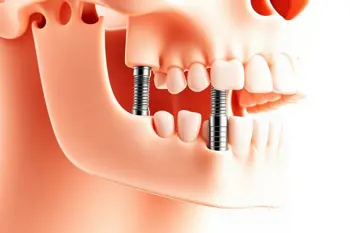
The concept of receiving full-arch dental implants in a single day is a clinical protocol designed to restore an entire row of teeth using a fixed, screw-retained prosthesis 1. It is important to clarify that this procedure does not involve the fabrication of a final, permanent restoration in a few hours. Instead, the process provides a secure, fixed provisional bridge that is attached to implants immediately following surgery 2. By placing four to six implants at strategic angles, clinicians can utilize existing bone volume, often circumventing the need for extensive bone grafting 3. This approach allows patients to transition from failing teeth or removable dentures to a fixed solution within a single appointment 4.
The Diagnostic and Digital Planning Phase
Predictability in same-day implant dentistry is heavily reliant on advanced digital workflows and preoperative diagnostics 5. Before any surgical intervention occurs, clinicians utilize 3D Cone Beam Computed Tomography (CBCT) scans to map the patient's jaw anatomy with high precision 6. This data allows for the creation of surgical guides that translate the digital plan into the physical operating field, ensuring accurate implant placement 7. Surgeons analyze bone density, proximity to vital structures, and bite forces to determine if a patient meets the criteria for immediate loading protocols 8.
| Process Component | Clinical Objective |
|---|---|
| 3D Imaging | Assess bone volume and structural integrity |
| Digital Guides | Ensure precise, predetermined implant trajectory |
| Provisional Bridge | Provide immediate aesthetics and partial function |
| Osseointegration | Achieve biological fusion of implant to bone |
Candidate Eligibility and Anatomical Considerations
Not every patient is a candidate for immediate-load full-arch procedures. Success is contingent upon factors such as bone quality, the presence of active periodontal disease, and the patient's bite mechanics, including tendencies to clench or grind 9. A comprehensive evaluation by an oral surgeon or periodontist is necessary to determine if the jawbone is sufficiently dense to provide the high primary stability required for immediate loading 10. While advancements have made it possible for patients with limited bone to receive implants, those with systemic health issues may require a staged treatment approach to ensure long-term success 11.
The Surgical and Immediate Recovery Sequence
The surgical day typically involves the extraction of any remaining non-restorable teeth, the precise placement of implants according to the digital plan, and the attachment of a temporary, fixed bridge 12. Many clinics utilize IV sedation to ensure patient comfort throughout the procedure 13. Post-operatively, patients can expect a healing period during which swelling and mild discomfort are managed with prescribed analgesics and cold compresses 14. Because the temporary teeth are fixed, they provide immediate improvements in speech and chewing function, though patients must adhere to a soft-food diet to avoid disrupting the healing implants 15.
Biological Healing and Transition to Permanent Teeth
The period following surgery is defined by osseointegration, a critical biological process where the jawbone fuses with the titanium implant surfaces 16. This phase typically lasts three to six months, during which the implants remain under the stress of the temporary bridge 17. After clinical evidence confirms successful healing, the temporary provisional is replaced with a final, more durable prosthesis, often fabricated from high-strength zirconia or a titanium-supported framework 18. This final bridge is customized to ensure optimal fit, bite alignment, and long-term durability 19.
Long-Term Maintenance and Clinical Expectations
The success rate for immediate-load full-arch implants is reported to be between 95% and 98% when performed by experienced clinicians 20. However, achieving these results requires rigorous commitment to maintenance. Patients must prevent peri-implantitis by adopting strict oral hygiene habits, including the daily use of water flossers and specialized interdental brushes 21. Regular follow-up visits are essential for bite adjustments and monitoring the health of the surrounding gum tissue, ensuring that the implants continue to support the facial structure and maintain long-term function 22.
Sources
- American Academy of Implant Dentistry: All-on-4 Procedures
- Bucks County Periodontics: The Full-Arch Implant Process Explained
- Atlanta Dental Center: Full-Arch Implants and Bone Preservation
- The Implant Centre: Understanding Teeth-in-a-Day
- GD Dentistry: Digital Planning and CBCT Imaging
- Mayo Clinic: Dental Implant Surgical Evaluations
- Full Arch Masters Portland: Digital Workflow and On-site Fabrication
- Journal of Oral Implantology: Immediate Function Protocols
- IMPLANT PERIO CENTER: Candidate Assessment and Bone Quality
- Dr. Alexander Antipov: Surgical Candidacy and Bone Density
- National Institutes of Health (NCBI): Success Rates of Immediate Loading
- AER Dental Studio: Surgical Day Expectations
- First Dental: Sedation and Surgical Overview
- Today's Dentistry Vancouver: Post-Operative Recovery
- Authority Dental: Cost and Clinical Complexity
- WebMD: The Biology of Osseointegration
- Dental Economics: Transitioning to the Final Prosthesis
- Healthline: Materials for Final Full-Arch Restorations
- Today's Dentistry Vancouver: Customizing Final Zirconia Restorations
- National Institutes of Health (NCBI): Clinical Success Metrics
- Cleveland Clinic: Oral Hygiene and Peri-implantitis Prevention
- IMPLANT PERIO CENTER: Long-Term Bite Adjustments
Authored by MyTrendSpot team