Warning signs of lung cancer: Clinical context and evidence review
Why early warning signs can be difficult to recognize
Early lung cancer often causes no symptoms, and some people are diagnosed only after the disease has advanced. The lungs contain relatively few pain-sensing nerve endings, allowing a tumor to grow without producing obvious discomfort. Symptoms that do appear can resemble infections, allergies, asthma, or other respiratory conditions. A new, persistent, or worsening symptom deserves clinical attention regardless of whether a person currently smokes, previously smoked, or has never smoked. Up to 20% of lung cancers occur in people without a smoking history. 1
- Smoking remains the leading risk factor, and approximately 85% of cases are related to cigarette smoking. 2
- Other contributors include secondhand smoke, radon, air pollution, occupational exposures, and family history. 1
- Having a symptom does not establish a cancer diagnosis because many less serious conditions cause similar complaints. 3
Persistent cough and changes in coughing
A cough that does not go away is one of the most frequently reported warning signs. Concern is greater when a new cough persists, becomes more intense, or changes from a person’s usual chronic cough. A cough lasting more than two to three weeks is worth discussing with a healthcare professional, although duration alone cannot determine the cause. Lung cancer research sources also describe coughing as potentially dry or accompanied by mucus. 3
- Notice whether the cough is new or different from a long-standing smoker’s cough. 2
- Record whether the cough is worsening, affects sleep, or occurs with breathlessness or chest discomfort.
- Repeated bronchitis or pneumonia, particularly when infections fail to clear or keep returning, can also warrant evaluation. 4
- A persistent cough should not automatically be attributed to seasonal illness, allergy, or air quality.
Blood, chest pain, and breathing changes
Coughing up blood, known medically as hemoptysis, is an abnormal symptom even when the amount is small. It can result from infections and other conditions, but lung cancer must be considered during medical assessment. Chest pain may become more noticeable with deep breathing, coughing, or laughing. Shortness of breath can occur when a tumor obstructs an airway or when fluid accumulates around the lungs, while new wheezing may reflect narrowed airflow through the bronchial tubes. 1
- Blood-streaked sputum should be medically assessed rather than monitored without professional guidance. 6
- Persistent chest or shoulder pain should not be assumed to be muscle strain, especially when it lasts for weeks. 6
- Breathlessness during routine activities, such as walking short distances or climbing stairs, is a relevant change to report.
- Wheezing can have many causes, but new or persistent wheezing may indicate airway obstruction. 1
Voice changes and recurring respiratory illness
Hoarseness or a continuing change in voice quality can occur when a lung tumor affects nerves that control the vocal cords. This symptom is not specific to cancer, since infections, reflux, vocal strain, and other disorders can also alter the voice. Recurrent respiratory infections are another pattern that may require investigation, especially when bronchitis or pneumonia returns in the same general period or does not resolve as expected. These findings are more meaningful when they persist or occur alongside cough, chest pain, or breathlessness. 4
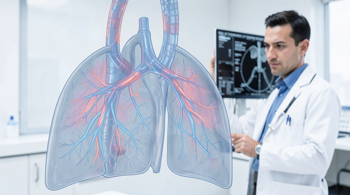
- Report hoarseness that continues or appears with other respiratory changes. 1
- Note the frequency, duration, and treatment response of bronchitis or pneumonia episodes.
- Repeated infections can reflect airway narrowing or impaired drainage, although they do not prove cancer.
- A clinician may consider imaging when symptoms, examination findings, or infection patterns justify further testing. 2
Whole-body symptoms and possible spread
Lung cancer can produce systemic symptoms beyond the lungs. Unplanned weight loss, reduced appetite, fatigue, and generalized weakness may occur as the body responds to malignancy, although these changes also have numerous other causes. When cancer spreads to other parts of the body, possible symptoms include bone pain, headaches, and swelling of the face or neck. The meaning of any symptom depends on its timing, severity, associated findings, and the person’s wider medical history. 1
- Unexplained weight loss or loss of appetite should be documented and discussed with a healthcare professional. 6
- Persistent fatigue is a reported complaint among people diagnosed with lung cancer, but it is not specific to the disease. 5
- New bone pain or headaches may reflect advanced disease, but other neurological, orthopedic, or medical causes are also possible.
- Facial or neck swelling requires assessment, particularly when it occurs with breathing symptoms. 1
Screening, diagnosis, and clinical limitations
Symptoms and screening are different routes to medical evaluation. In the United States, annual screening with low-dose CT is generally described for adults ages 50 to 80 with a 20-pack-year smoking history who currently smoke or quit within the past 15 years. Eligibility should be confirmed with a clinician because screening involves radiation exposure, false-positive findings, follow-up imaging, and sometimes invasive procedures. When symptoms are present, assessment often begins with a chest X-ray and may proceed to CT or PET-CT. A biopsy is needed to confirm cancer. 4
- A normal screening result does not explain every persistent symptom and does not eliminate future risk.
- Imaging can identify an abnormal area, but imaging alone cannot confirm malignancy. 2
- Biopsy establishes the diagnosis, while staging determines whether surgery, radiation, chemotherapy, targeted therapy, immunotherapy, or combinations are appropriate. 5
- People outside screening eligibility should still discuss new, persistent, or worsening symptoms with a healthcare professional. 1
Sources
- Mayo Clinic News Network, “What do I need to know about lung cancer?”
- Merck Manual Consumer Version, “Lung Cancer”
- Lung Cancer Research Foundation, “Lung Cancer Symptoms: Signs, Early Warning, and When to See a Doctor”
- MercyOne, “Signs and symptoms of lung cancer”
- MSD Manual Professional Edition, “Lung Carcinoma”
- NDTV Health, “Lung Cancer Symptoms: Doctor Lists Five Warning Signs You Shouldn’t Ignore”
Authored by MyTrendSpot team