Best watercolor painting for seniors near me: An Analytical Overview of Local Creative Programming
Finding local opportunities for creative engagement has become increasingly streamlined through community-based initiatives that prioritize artistic exploration for the aging population. Watercolor painting is frequently highlighted in these programs due to its relatively low physical impact and the accessibility of its materials 1. Older adults looking for introductory or ongoing art instruction often turn to neighborhood senior centers, community art alliances, and local park districts to find structured classes that emphasize social connection as much as technical skill development 2, 3. This article provides an objective analysis of how these programs operate, the typical structure of sessions, and the logistical factors to consider when seeking a local group.
Understanding the Landscape of Senior Art Programs
The infrastructure for senior-focused art classes often relies on regional partnerships between cultural organizations and municipal agencies. Many of these programs are categorized under the 'Creative Aging' movement, which focuses on providing high-quality instruction designed to improve cognitive health and reduce feelings of social isolation 4, 5. Research indicates that programs integrated into community settings, such as senior activity centers or local art centers, serve as primary hubs where seniors can engage in artistic expression without the pressures of academic grading or competitive environments 6, 7.
Educational providers often vary in their operational models, ranging from free, grant-funded workshops at public libraries to fee-based, instructor-led courses at arts centers. For example, some facilities, such as the GoggleWorks Center for the Arts in Pennsylvania, offer multi-week instructional series, while other venues like the Orcas Senior Center in Washington provide recurring, informal painting groups where participants bring their own supplies 8, 9. Prospective students should recognize that programming can be seasonal, and registration requirements often necessitate advanced planning to secure a space in limited-capacity sessions 10.
Operational Models and Fee Structures
The cost of attending watercolor classes is influenced by the venue, the level of professional instruction provided, and the inclusion of materials. In many municipal or nonprofit settings, the goal is to provide affordable access, though fees are common to cover the costs of artist instructors and facility maintenance. For instance, some local programs charge between $15 and $40 per session depending on member status, while others may offer subsidized, free-of-charge events supported by local cultural alliances 11, 12. When evaluating costs, it is important to confirm whether supplies-such as brushes, paper, and paints-are included in the registration fee or if participants are expected to source their own tools 13.
| Program Type | Typical Cost Model | Supply Provision |
|---|---|---|
| Community Centers | Low Fee or Free | Often Included |
| Art Alliances/Centers | Moderate Tuition | Varies (Instructor-Dependent) |
| Independent Groups | Usually No Charge | Self-Provided |
Logistical Requirements and Registration Standards
Effective participation in a local painting class requires adherence to specific registration deadlines and administrative policies. Most community-based art programs require participants to register at least one week in advance, as instructors must prepare the studio environment or finalize supply orders 14. Furthermore, cancellation policies can be rigid, with some organizations restricting refunds for withdrawals made within seven days of the event. It is also standard for organizers to track class capacity strictly, often limiting group sizes to under 20 individuals to ensure the instructor can provide personalized guidance during the session 15.
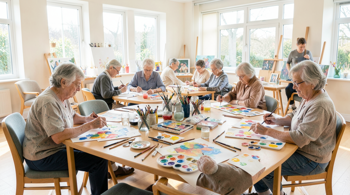
When researching available classes, interested individuals should verify the exact location and venue requirements. Changes in class size or venue are sometimes necessary to accommodate different group numbers, leading some organizers to shift locations from a senior center to an artist's private studio 16. Checking the specific contact information provided by the host organization is the most reliable way to obtain accurate, real-time information regarding availability or waitlist status, as many popular sessions reach capacity quickly 17.
Cognitive and Physical Health Benefits
Engaging in watercolor painting offers benefits beyond artistic production. Medical and social science research supports the integration of arts into the lives of older adults, citing improvements in fine motor skills, hand-eye coordination, and overall mental health 18. The act of blending and layering colors requires sustained focus, which functions as a form of mindfulness, potentially reducing stress and anxiety. Furthermore, the social nature of group painting sessions plays a critical role in combating the loneliness that can accompany the aging process by fostering camaraderie among individuals with shared interests 19.
Resources for Locating Local Programs
Identifying suitable classes involves using regional search tools and community networks. Organizations such as AARP and SeniorPlanet maintain searchable databases that can connect individuals with local resources and educational workshops 20, 21. Additionally, contacting a local library or the local Parks and Recreation department often yields information about ongoing adult education opportunities. Many communities also maintain physical bulletin boards at local art supply stores, where independent artists frequently advertise private or small-group instruction that may not be listed in larger, centralized databases 22.
Common Risks and Considerations
While watercolor painting is generally considered a safe, low-impact activity, participants should be aware of potential administrative or health-related frictions. For example, some individuals may have sensitivities to certain types of art materials or require specific ergonomic accommodations that are not always standard in every public classroom. Before enrolling, it is advised to inquire about the physical accessibility of the studio, such as wheelchair access or the availability of specialized seating. Additionally, because many of these programs are held at community centers, they may be subject to changes in operating hours or funding, which can impact the stability and availability of future classes 23.
Sources
- National Institute on Aging: The Role of Arts in Cognitive Health
- National Council on Aging: Community Hubs for Senior Programming
- Americans for the Arts: Benefits of Creative Aging Programs
- Museum of Modern Art (MoMA): Creative Aging Initiatives
- University of California, Berkeley: The Intersection of Art and Health in Aging
- GoggleWorks Center for the Arts: Program Policies
- Arlington Heights Senior Center: Event Schedules
- Marion Cultural Alliance: Art of Aging 2026 Documentation
- Montrose Lifestyle: Senior Program Details
- Shoreline Lake Forest Park Senior Activity Center: Class Registration Policies
- Coastal Seniors of South Walton: Fee and Attendance Guidelines
- Orcas Senior Center: Community Group Meeting Protocols
- National Art Education Association: Guidelines for Adult Education
- American Association of Community Colleges: Non-Credit Art Instruction Standards
- American Library Association: Public Access to Arts Programming
- Kate’s Creative Classes: Operational and Venue Notes
- SeniorPlanet: Resource Directory for Senior Engagement
- AARP: Community Activity Search Tool
- Westview Meadows: Residential Activity Planning
- GreaterGood: Psychological Benefits of Artistic Expression
- City of Ocala Parks and Recreation: Educational Opportunities
- Local Art League Outreach Reports
- Municipal Senior Services Administration: Program Accessibility Standards
Authored by MyTrendSpot team