Police Auction Cargo Vans on Sale: A Technical Guide to Government Surplus and Impound Liquidations
A comprehensive, data-backed guide detailing how public and municipal agencies auction off decommissioned fleet and seized cargo vans. This report covers the registration requirements, historical sales data, vehicle inspection protocols, and risks associated with as-is vehicle acquisitions.
The Landscape of Law Enforcement and Municipal Van Liquidations
Many logistics firms and contractors monitor public vehicle liquidations to locate utility vans, focusing on how police auction cargo vans on sale are distributed through structured government channels. These vehicles enter the secondary market through distinct pathways: municipal surplus programs, retired law enforcement support, and direct public seizures of abandoned property 1 2. National portals coordinate the liquidation of federal cargo assets, while state-level entities handle regional distribution 3 4.
The variety of cargo configurations in these public pools is broad, reflecting their original specialized tasks. Agencies frequently retire standard work platforms, such as the Chevrolet Express and Ford Econoline, after they reach preset mileage limits or service thresholds 1. Because police and municipal departments utilize these vans for everything from forensic collection to transit operations, the structural layouts vary, making it essential to study fleet histories before bidding.
Historical Auction Data and Vehicle Fleet Specifications
Evaluating historical data from municipal events provides clear insight into the exact technical specifications and conditions of cargo vans typical of public auctions. Recent public listings demonstrate the wide breadth of utility vehicles cycled through municipal fleets across different regions, ranging from heavy-duty cargo haulers with large engines to lighter transit models designed for urban driving, allowing prospective bidders to understand the mechanical benchmarks common to former police fleets 1 2.
| Model | Origin | Specs | Notes |
|---|---|---|---|
| 2005 Ford E350 1 | CO Dept. of Revenue 1 | 6.8L V10, 187k Mi 1 | Hail damage, as-is 1 |
| 2001 Ford E150 1 | Brick PD, NJ 1 | 4.6L V8, 76k Mi 1 | Mechanical poor 1 |
| 2014 Ford E-350 1 | Freer PD, TX 1 | 5.4L V8, 536k Mi 1 | Needs battery boost 1 |
| 2007 GMC Savana 1 | Woburn, MA 1 | 4.8L V8, TMU Mi 1 | Poor, rust, no keys 1 |
| 2012 Mercedes Vito 5 | Direct Film (Police) 5 | 2.1L Diesel, 163k Mi 5 | Cell in rear 5 |
This compiled dataset illustrates that buyers encounter highly diverse mechanical states in these vehicle pools. Some vans, such as the 2014 Ford E-350 from the Freer Police Department, carry extremely high mileages, while other units retain relatively low odometer readings but suffer from structural wear, body rust, or long periods of storage 1. Bidders must utilize these real-world data points to structure their expectations regarding potential repair costs.
Legal Frame and Documentation Requirements
Acquiring retired utility vehicles through official law enforcement channels requires strict compliance with state codes and municipal regulations. For example, the City of Dallas Auto Pound auctions off abandoned and seized vehicles under specific provisions of the Texas Transportation Code Section 683 6. Buyers must present valid state identification or approved consular credentials, register prior to bidding, and meet the minimum age requirement of eighteen years old 6.
The transfer of vehicle ownership involves distinct administrative hurdles that differ from standard private or dealership transactions. In Texas law enforcement sales, successful bidders are issued a specialized Law Enforcement Auction Sales Receipt, known as Form VTR-71-1 1. Resident buyers must present this form to their County Tax Assessor-Collector to process tax, title, and registration fees before a standard title is generated, while out-of-state buyers face complex regulations 1.
Structural and Mechanical Realities of Retired Utility Fleets
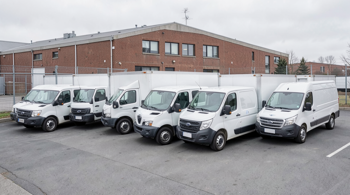
A primary challenge of purchasing retired municipal cargo vans is understanding their physical wear patterns and mechanical histories. Many units are retired from severe service environments, which can result in underlying electrical faults, structural modifications, or altered body panels 1. The decommissioning process itself, where municipal technicians strip out specialized emergency radios and computers, can leave severed wiring harnesses and physical dashboard holes that require skilled repair before the vehicle is roadworthy 1.
Additionally, buyers must prepare for highly varied operational states when evaluating auction catalogs. It is common for listings to note that a van is non-operable, unfit for immediate highway use, or carries a branded salvage title due to past collision damage 1 7. In other instances, vehicles are sold with missing keys, active check engine lights, or severe cosmetic issues like the hail damage documented on the Colorado Department of Revenue Ford Econoline 1.
Step-by-Step Bidding and Removal Protocols
Navigating the bidding process requires a methodical approach that respects the rigid rules set by auction houses and government agencies. Before placing a bid on prominent platforms such as GovDeals or GSA Fleet, users must register an account and often submit a temporary financial deposit to verify eligibility 2 8. Public auctions, such as those coordinated by Dickensheet & Associates, often apply a buyer's premium, typically around ten percent, which is added directly to the final hammer price 1.
Once an auction concludes, winning bidders must follow strict removal timelines or risk forfeiting their purchase and bidding privileges. At the Dallas Auto Pound, all vehicles must be removed by 11:59 PM on the day immediately following the auction's conclusion 6. Furthermore, municipal facilities generally prohibit buyers from driving the purchased vehicles directly off the lot. Standard operating procedures dictate that a licensed wrecker or tow service must transport the van from the facility 1 6.
Risk Mitigation and Financial Considerations
To minimize financial risk, prospective buyers must perform extensive due diligence prior to placing a bid. Unlike traditional used car dealerships, public municipal auctions operate strictly under as-is, where-is conditions with no warranties, express or implied 1 6. This means all mechanical, structural, and electrical faults become the sole responsibility of the buyer once the auction closes, with no recourse for returns, credits, or post-sale price adjustments 1.
Interested parties are highly encouraged to attend scheduled preview windows to inspect the assets physically, check fluid levels, and verify whether keys are included before placing any online bids 4 1. Additionally, running independent history reports using the vehicle identification number can reveal hidden title issues, such as salvage status or past odometer discrepancies, which are common in confiscated or impounded vehicle pools 1. By calculating these risks alongside the costs of towing and potential repairs, buyers can make realistic, data-informed decisions.
Sources
- Global Auction Guide (https://www.globalauctionguide.com)
- Fleet Vehicle Disposal (https://fleetvehicledisposal.com)
- GSA Fleet (https://marketplace.gsafleet.gov)
- GovDeals (https://www.govdeals.com)
- Anglia Car Auctions (https://angliacarauctions.co.uk)
- City of Dallas Auto Pound (https://www.dallaspolice.net)
- Dempsey Auction Company (https://dempseyauction.com)
- Public Surplus (https://www.publicsurplus.com)
Authored by MyTrendSpot team