Public auction listings for seized police vehicles: A neutral guide to notices, terms, and buyer risks
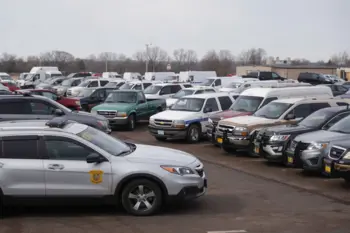
Public auction listings for seized police vehicles generally describe government, municipal, sheriff’s office, or contracted-auction sales rather than ordinary dealership inventory. Recent notices show that these events may be online, onsite, or combined, with vehicles offered under specific inspection, payment, pickup, and title conditions. The examples below are informational records, not a guarantee that any particular listing remains active.
What these auction listings typically include
Police-related vehicle auctions can contain cars, trucks, vans, SUVs, and motorcycles. A Norfolk, Virginia, notice scheduled for August 13, 2026, describes more than 87 vehicles and identifies makes including Toyota, BMW, Chevrolet, Mazda, Nissan, Ford, GMC, Acura, Mercedes, Honda, Cadillac, Lexus, and Hyundai. The notice states that bidding is online and that onsite inspection is scheduled before the sale. 1
A Kansas City police tow-lot listing scheduled for August 18, 2026, identifies the sale as an online-only auction at 7750 E Front Street. Its terms describe the inventory as abandoned vehicles held at a municipal impound facility, with condition information provided through the auction website. The notice specifically warns that many vehicles may not run or drive and that most may not have keys. 2
Where notices and catalog information appear
Listings are commonly distributed through auction-company websites, municipal pages, sheriff’s office announcements, and government surplus platforms. A Hampton, Virginia, notice for September 17, 2026, identifies a police and towing auction with approximately 58 vehicles, online bidding, and an inspection period two days before the sale. The notice also directs readers to the auction’s terms before placing bids. 3
Not every page represents a future sale. A Powell Auction and Realty page identifies a May 30, 2026, police seizure and equipment auction in Knoxville, Tennessee, but marks the event as expired. Its described categories included trucks and vehicles alongside farm, construction, lawn, landscaping, and shop equipment. This distinction matters because search results can combine completed events with upcoming notices and general auction information. 4
Inspection, condition, and documentation
Inspection is a central issue because seized and impounded vehicles can have uncertain mechanical histories. Musick Auction’s Idaho information describes previewing vehicles in person, checking condition and title status, and then bidding through its auction system. It also identifies police impound and seized vehicles as a category handled for agencies in the Treasure Valley, including local government and police property operations. 5
A Maryland sheriff’s sale announcement illustrates additional documentation risks. The Washington County Sheriff’s Office described abandoned, forfeited, and surplus vehicles including Ford Interceptors and Explorers, Chevrolet Tahoes, trucks, and vans. The notice stated that vehicles were not Maryland inspected, were sold as-is without guarantees, and that some could be offered without titles. 6
Terms governing bids, payment, and pickup
Auction terms can make each bid binding and may limit remedies after a winning bid. The Kansas City tow-lot conditions state that sales are final, bids cannot be retracted, and vehicles are sold as-is and where-is. They also describe consequences for nonpayment, including forfeiture of the vehicle, loss of a $300 deposit, and an auction ban. These provisions make the written terms more important than general expectations about used vehicles. 2
Payment and pickup rules vary by operator and jurisdiction. Reporting on a San Antonio Police Department auction stated that bidders had to register before the event, pay on the same day, and use cash or credit card, with American Express excluded. The account also specified pickup windows on the following Wednesday, Thursday, and Friday. Such requirements can create additional logistical costs and deadlines beyond the bid amount. 7
Regulatory and platform context
Government agencies may use contracted auctioneers or established public-sector marketplaces to dispose of surplus and seized property. GovDeals describes a platform for government agencies selling surplus and seized assets to the public, while Public Surplus specializes in government-owned property, including law-enforcement vehicles. These platforms are channels for listings, not substitutes for reviewing the agency’s ownership, title, and sale conditions. 89
Federal and state processes can operate separately from local police or sheriff’s sales. The U.S. Marshals Service conducts public auctions for property seized during federal investigations, including vehicles, while federal vehicle disposal is also associated with GSA Auctions. State departments of general services, public safety, transportation, or surplus property may maintain their own procedures and portals. Authority, notice requirements, and title rules therefore depend on the government entity conducting the sale. 10
Practical risk assessment before bidding
Prospective bidders should compare the lot description with the inspection opportunity, title statement, odometer information, known damage, key availability, and removal requirements. A vehicle that appears suitable in a photograph may still require towing, missing equipment replacement, mechanical repair, title correction, registration work, or compliance with local inspection rules. The documented Kansas City conditions expressly state that buyers may not know whether vehicles run until after purchase. 11
Police identity also does not establish a warranty, service history, or street-ready condition. Emergency equipment may have been removed, wiring may remain, and former fleet use can involve wear that is not fully described in a short catalog entry. Public-sector auction platforms can help locate notices, but responsibility for due diligence remains with the bidder. Public Surplus and similar marketplaces should therefore be treated as listing channels whose individual terms must be examined separately. 12
Sources
- Auction757, Norfolk Police Auction, August 13, 2026
- Fowler Auction, Kansas City Police Tow Lot Auction
- Auction757, Hampton Police and GB’s Towing Auction
- Powell Auction and Realty, Police Seizure and Equipment Auction
- Musick Auction, Police, Government and Impound Auctions in Idaho
- Tri-State Alert, Washington County Sheriff’s Office sale notice
- San Antonio Express-News, San Antonio police vehicle auction report
- GovDeals
- Public Surplus
- U.S. Marshals Service
- Fowler Auction, Kansas City Police Tow Lot terms
- Public Surplus, government property auction platform
Authored by MyTrendSpot team