Early warning signs of stroke to recognize: A clinical overview for rapid emergency response
The Clinical Importance of Early Stroke Recognition
A stroke, often categorized as a brain attack, represents a critical medical emergency requiring immediate intervention to mitigate irreversible neurological damage 1. When blood flow to the brain is interrupted-either through an ischemic blockage or a hemorrhagic rupture-brain cells begin to degrade within minutes due to oxygen deprivation 2. Recognizing these symptoms at the onset is the single most significant factor in preserving function and preventing long-term disability or fatality 3. Medical professionals emphasize that effective treatment protocols, such as the administration of thrombolytic therapy, are highly time-dependent 1.
Data indicates that approximately 800,000 individuals in the United States experience a stroke annually 3. While stroke risk generally increases with age, clinical evidence confirms that approximately 10% of these events occur in individuals under the age of 45 6. Because the location and severity of the vascular disruption dictate the specific physical manifestations, symptoms can vary significantly between patients 1. Consequently, relying on standardized observation frameworks is a standard of care for identifying potential cerebrovascular accidents in both clinical and community settings 3.
Utilizing the BE FAST Framework for Symptom Detection
Medical organizations and neurology centers recommend the BE FAST acronym as a primary tool for the rapid identification of stroke warning signs 3. This mnemonic provides a systematic approach to evaluating neurological deficits that appear suddenly 6. Each letter represents a specific indicator: Balance refers to a sudden onset of unsteadiness or loss of coordination; Eyes denotes sudden vision loss or blurring in one or both eyes; Face indicates observed drooping or numbness on one side of the face; Arms signifies sudden weakness or inability to hold both arms up equally; and Speech highlights slurring or the inability to communicate coherently 3. The final T, which stands for Time, is the most essential element: if any of these symptoms appear, immediate contact with emergency medical services is mandatory 3.
| Mnemonic Component | Clinical Indicator | Action Required |
|---|---|---|
| B - Balance | Sudden dizziness or loss of coordination | Monitor stability |
| E - Eyes | Sudden vision changes or loss of sight | Avoid driving |
| F - Face | Uneven smile or mouth drooping | Perform symmetry test |
| A - Arms | One-sided weakness or drift | Test bilateral lift |
| S - Speech | Slurred or incomprehensible language | Test cognitive response |
| T - Time | Emergency duration | Call 911 immediately |
Clinical observation involves asking the individual to perform simple tasks, such as smiling, raising both arms simultaneously, or repeating a simple sentence 3. Failure to perform these tasks correctly strongly indicates a neurological impairment requiring urgent assessment 4. Because the onset of these symptoms is typically sudden, the presence of even a single indicator warrants professional medical evaluation without delay 6.
Distinguishing Between Stroke and Transient Ischemic Attack (TIA)
A transient ischemic attack (TIA), frequently described as a mini-stroke, occurs when a temporary blockage of blood flow causes stroke-like symptoms that resolve within a short period, typically within 24 hours 1. Despite the resolution of symptoms, a TIA is a severe medical emergency that necessitates urgent diagnostic evaluation 1. Clinical data confirms that approximately 1 in 5 individuals who experience a TIA will suffer a full-scale stroke within the subsequent 90 days 9. Treating a TIA as a significant warning sign allows for secondary prevention measures to be implemented before a permanent injury occurs 5.
Unlike a standard stroke where damage is often immediate and potentially permanent, the brief nature of a TIA can lead to misinterpretation as a minor, non-urgent health issue 9. However, neurologists maintain that the physiological risks are comparable to an ischemic stroke 9. Regardless of whether symptoms fully dissipate, the underlying mechanism-a brief interruption of oxygenated blood to brain tissue-requires the same level of diagnostic urgency as a major vascular event 5.
Physiological Mechanisms and Stroke Classifications
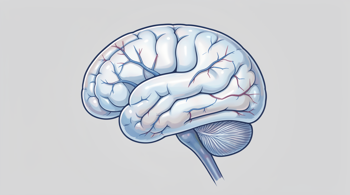
Strokes are primarily classified based on their underlying cause: ischemic or hemorrhagic 2. An ischemic stroke, accounting for approximately nine out of ten cases, occurs when a blood clot physically obstructs an artery, preventing blood flow to specific regions of the brain 2. These clots may originate directly within the brain (cerebral thrombosis) or travel from other areas, such as the heart or large arteries (cerebral embolism) 2. Plaque buildup, known as atherosclerosis, is a frequent contributor to these blockages 2.
Conversely, a hemorrhagic stroke is defined by the rupture of a blood vessel, which causes blood to leak into surrounding brain tissue, increasing intracranial pressure and causing cellular damage 2. While less frequent than ischemic events, hemorrhagic strokes present with distinct warning signs, most notably a sudden, severe headache described by patients as having no known cause or prior history 1. Regardless of the subtype, the neurological fallout depends on the specific area of the brain affected, which determines whether the patient experiences cognitive, motor, or sensory deficits 5.
Emergency Response and Risk Mitigation
The priority upon identifying potential stroke symptoms is to secure professional medical transport 1. Emergency responders are equipped to perform preliminary triage and alert hospital staff to ensure that stroke-specialized teams are prepared upon arrival 3. It is important that individuals do not attempt to self-diagnose or wait to see if symptoms improve, as every minute spent awaiting treatment correlates with a higher volume of lost brain tissue 6. Furthermore, it is advised that observers avoid providing food or fluids to the patient, as stroke-related complications often include difficulty swallowing, which increases the risk of aspiration 4.
Continued observation of the patient's consciousness level is necessary while awaiting the arrival of emergency medical personnel 4. If the patient becomes unresponsive, responders are prepared to initiate cardiopulmonary resuscitation (CPR) if breathing stops 4. Because high blood pressure is considered the most significant modifiable risk factor for stroke, routine medical management of chronic conditions remains the most effective form of long-term prevention outside of acute intervention 5.
Long-Term Prognosis and Recovery Considerations
The trajectory of recovery following a stroke is highly individual and depends heavily on the speed of initial treatment and the specific neural structures impacted 6. Neurorehabilitation is often required to address the residual physical and cognitive impairments that can arise from localized brain death 2. Recovery is a multifaceted process that may involve physical, occupational, and speech therapy designed to maximize remaining function and assist in the development of compensatory strategies 2.
Patients who have experienced a stroke face a higher statistical probability of future cerebrovascular events, particularly within the first year post-event 5. Consequently, ongoing medical supervision, adherence to prescribed medication protocols, and lifestyle adjustments are essential components of post-stroke care 3. The goal of medical intervention is not only to achieve immediate stability but to manage the underlying vascular disease processes to minimize the recurrence risk, which remains a primary concern for long-term health outcomes 5.
Sources
- Johns Hopkins Medicine - Stroke Information
- Penn Medicine - Stroke Symptoms and Causes
- Scripps Health - BE FAST Stroke Warning Signs
- St John Ambulance - Stroke Symptoms and First Aid
- Family Doctor - Stroke Overview
- Dartmouth Health - Recognizing Stroke Symptoms
- Saltcoats Group Practice - Act FAST Guidance
- NHS Inform - Transient Ischaemic Attack
- UNC Health Talk - TIA Warning Signs
- Bon Secours Blog - Stroke Warning Signs
Authored by MyTrendSpot team