Intimate wellness devices and their benefits explained
A staggering 75% of women report experiencing pain during sex at some point in their lives, and disorders affecting the pelvic floor impact up to 50% of the female population at some point. 1 These statistics have driven significant clinical and consumer interest in intimate wellness devices, a broad category that now spans vibration-based therapies, photobiomodulation wands, radiofrequency platforms, electrical muscle stimulators, and air-pulsation technology. Understanding what each device type does, how it works biologically, and where its limitations lie is essential context for anyone navigating this space.
What Intimate Wellness Devices Actually Are
At their most fundamental level, intimate wellness devices are tools designed to interact with pelvic and genital tissues through mechanical, electrical, or light-based energy. The category is notably broad. Vibrating devices use motorized oscillations to stimulate nerve endings, increase local blood circulation, and support pelvic floor muscle engagement. Photobiomodulation (PBM) devices, more widely known as red light therapy wands, use specific wavelengths of red and near-infrared light, typically in the 630 to 900 nm range, to stimulate mitochondrial energy production at the cellular level. 2 Electrical muscle stimulators such as V-Tone deliver intravaginal pulses that trigger repeated pelvic floor contractions, while radiofrequency platforms like FormaV use controlled thermal energy to stimulate collagen and elastin production in vaginal and vulvar tissue. 3
Air-pulsation devices represent a distinct mechanical approach, using rapid waves of air pressure around sensitive external anatomy rather than direct contact vibration. Users frequently report that this indirect stimulation reduces the sensitivity fatigue and numbing sensations sometimes associated with conventional vibrators. 4 Smart-connected pelvic floor trainers add biofeedback sensors that measure muscle contractions in real time and relay data to a companion app, giving users personalized coaching during pelvic floor exercises. 5 The common thread across all these categories is a non-surgical, non-pharmaceutical mechanism of action aimed at tissue health, muscle function, or nervous system regulation.
Pelvic Floor Function and Vibration Therapy
Pelvic floor physiotherapists have documented their use of vibrating devices as therapeutic tools for conditions including vaginismus, painful intercourse, and overactive pelvic floor syndrome. Mechanical vibration promotes blood flow to vaginal and pelvic floor muscles, supports nervous system regulation, and can help relax chronically contracted pelvic musculature. 6 The Mayo Clinic and the National Institute of Diabetes and Digestive and Kidney Diseases both recognize pelvic floor muscle training as a conservative first-line approach for urinary incontinence and related dysfunction. When paired with biofeedback devices, these exercises gain measurably greater precision. 7
Device-based pelvic floor training produces outcomes spanning several symptom categories. Electrical muscle stimulation platforms like V-Tone, which deliver 30-minute sessions of targeted pulses, are reported to reduce stress urinary leakage, address the sensation of pelvic heaviness, and improve intimate sensation over a series of approximately six treatment sessions. 3 The American College of Obstetricians and Gynecologists has acknowledged pelvic floor devices as part of comprehensive pelvic health management and post-pregnancy recovery. Clinical research indexed in PubMed Central further demonstrates that pelvic floor muscle training devices can improve sexual satisfaction and reduce symptoms of broader pelvic floor dysfunction. 7
Red Light Therapy and Photobiomodulation for Pelvic Tissues
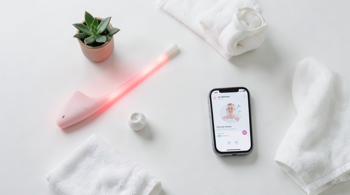
Red light therapy for pelvic health operates through a mechanism called photobiomodulation. Light energy in the red and near-infrared spectrum penetrates tissue and is absorbed by mitochondria, the cellular energy centers, increasing adenosine triphosphate (ATP) production. This in turn supports tissue repair, reduces inflammation, improves local blood flow, and encourages collagen synthesis. 2 In 2015, the National Library of Medicine formally recognized photobiomodulation as an official Medical Subject Heading term, a marker of the concept's established scientific standing. 8
Devices built specifically for vaginal and pelvic use typically deliver three distinct wavelengths. Red light at approximately 630 nm acts closest to the surface, supporting collagen production and blood flow in thinned or less elastic vaginal tissue. Near-infrared light at around 830 nm penetrates deeper into muscle and connective tissue. Blue light, also integrated into some wands, provides antimicrobial effects that may benefit the vaginal microbiome. 9 Clinical reporting associated with OB-GYN-designed devices has cited outcomes including up to 91% reduction in vaginal dryness, 95% improvement in perceived tissue tone, 90% improvement in bladder leakage, and 89% reduction in pain during intercourse among user cohorts, though these figures represent manufacturer-associated clinical data and individual results vary substantially. 10
Genitourinary Syndrome of Menopause and the Device Landscape
Genitourinary Syndrome of Menopause (GSM) is an umbrella diagnosis encompassing vaginal dryness, tissue thinning, burning, reduced lubrication, and urinary symptoms driven by declining estrogen. Estimates suggest approximately 84% of postmenopausal women experience GSM symptoms. 11 When estrogen drops, vaginal mucosa thins, glycogen availability decreases, the microbiome shifts toward higher pH, and blood flow, collagen, and elasticity all diminish. The clinical management toolkit for GSM includes localized estrogen therapy, hyaluronic acid, pelvic floor physical therapy, dilators, and increasingly, light- and vibration-based devices used as non-hormonal adjuncts. 12
Urology practitioners have noted that most consumer intimate devices were historically designed without the specific anatomical and physiological context of menopausal women in mind. Devices designed for external-only use, with soft medical-grade silicone, multiple frequency settings, and non-penetrative form factors, have emerged in direct response to this clinical gap. Vibration at therapeutic levels also stimulates blood flow and supports arousal tissue responsiveness in ways that complement but do not replace hormone-based protocols. 11
Material Safety, Device Selection, and Usage Considerations
Regulatory and clinical guidance consistently emphasizes body-safe materials as the primary selection criterion for intimate wellness devices. Medical-grade silicone is the standard benchmark because it is non-porous, hypoallergenic, and resistant to bacterial colonization. The U.S. Food and Drug Administration's consumer guidance on personal care products highlights following manufacturer cleaning and disinfection instructions to reduce infection risk. 13 For powered devices, electrical safety certification and manufacturer-documented irradiance levels matter for light-based products, since intensity below the therapeutic threshold of approximately 20 to 40 mW per cm squared produces no measurable cellular effect, while excessive intensity can cause harm. 9
Several practical considerations apply across device categories. Vibrating devices with multiple intensity settings allow users to begin at lower stimulation levels, which is particularly relevant for those with pelvic pain conditions such as vulvodynia or vaginismus. HSA and FSA eligibility has been documented for at least one clinically designed vibrating pelvic relaxation device, reflecting a degree of recognition within health benefit frameworks. 14 App connectivity and progress tracking, available in several current-generation devices, can improve adherence to consistent usage schedules, which most clinical guidance identifies as necessary for observable results typically requiring a minimum of three weeks of regular sessions. 5
Documented Benefits, Limitations, and When to Seek Clinical Evaluation
The range of documented physiological benefits associated with appropriate intimate wellness device use includes improved pelvic floor muscle tone and endurance, enhanced blood circulation to pelvic tissues, reduced inflammatory markers in treated areas, increased natural lubrication, improved sexual function and orgasm quality, stress hormone reduction through oxytocin release, and greater body awareness and self-reported confidence. 6 The Cleveland Clinic and Mayo Clinic both frame pelvic floor muscle training, including device-assisted training, as evidence-supported for managing urinary incontinence and related symptoms. 7
Limitations and risk factors are equally important to understand. Red light therapy for pelvic floor health is still an evolving research field, and robust randomized controlled trial data specifically for intravaginal applications remains limited compared to evidence for other photobiomodulation uses. Device use is contraindicated over broken skin, during active infections, or in the presence of undiagnosed pelvic symptoms. Bladder leakage, pelvic pressure, and urinary urgency can originate from conditions ranging from weak pelvic floor muscles to infections or nerve disorders, and device-based self-treatment without clinical evaluation of the underlying cause carries risk of masking a condition requiring medical attention. 2 A urogynecologist, pelvic floor physiotherapist, or primary care physician is the appropriate starting point before selecting any device for a symptom-driven rather than general wellness purpose.
Sources
- Cedars-Sinai, Sexual Healing: Vibrators as Medicine (cedars-sinai.org)
- The Vagina Whisperer, Should You Try Red Light Therapy for Pelvic Floor Health? (thevagwhisperer.com)
- Skin and Vitality Society, V Tone Explained: The Science Behind Muscle Toning Treatment (skinvsociety.com)
- Whisper Bloom, Air Pulsation Toys Explained: How Air Pulse Technology Works (whisperbloom.com.au)
- Global Till, Embracing Modern Intimate Wellness: The Rise of Smart Devices and Self-Care (globaltill.com)
- Feminine Body Speaks / Substack, I'm a Pelvic Physio and I Recommend Vibrators Every Week (femininebodyspeaks.substack.com)
- National Institute of Diabetes and Digestive and Kidney Diseases, Kegel Exercises (niddk.nih.gov); Mayo Clinic, Kegel Exercises (mayoclinic.org); NCBI/PubMed Central PMC5743188
- VICE, People Are Putting Red Light Masks on Their Crotches Now (vice.com)
- Garner Pelvic Health, Light Therapy and Vibration for Female Pelvic Health (garnerpelvichealth.com)
- Elysium Lifestyle Magazine, Issviva x Joylux Vaginal Rejuvenation Device Review and Benefits (elysiumlifestylemagazine.com)
- Oprah Daily, Why The Explorer Vibrator Is Designed for Menopausal Women (oprahdaily.com)
- Tracy Donegan Blog, Menopause, Pelvic Pain, and Red Light Therapy (blog.tracydonegan.org)
- U.S. Food and Drug Administration, Are Sex Toys Safe? (fda.gov)
- VICE, The Pelvic People Kiwi Vibrator Offers Physical Therapy for Your Vagina (vice.com)
Authored by MyTrendSpot team