Early signs of chronic inflammation in body: Clinical insights and systemic indicators
Inflammation is a natural and vital defense mechanism the human body employs to neutralize threats such as bacteria, toxins, or physical injuries 1, 2. When the immune system detects a stressor, it releases white blood cells and specialized proteins to contain the threat and begin the repair process 1. While this acute response is essential for healing, problems arise when the process fails to deactivate once the danger passes, leading to a state of chronic, low-grade inflammation 5, 6. Unlike the localized redness or heat seen in an acute injury, chronic inflammation is often silent, potentially damaging healthy cells and tissues over months or years 1, 5.
Recognizing the Subtle Symptoms of Persistent Inflammation
Chronic inflammation rarely presents with the dramatic, localized swelling associated with a recent injury. Instead, it frequently manifests through vague, nonspecific symptoms that are often mistaken for the effects of stress, poor sleep, or the natural aging process 5, 8. Persistent fatigue that does not resolve with adequate rest is one of the most frequently reported signs, as the immune system remains in an elevated state of alertness, consuming significant metabolic resources 4. Furthermore, individuals may notice recurring digestive issues, such as chronic bloating or abdominal discomfort, which can be indicative of systemic inflammatory patterns 4.
Cognitive symptoms, often described as brain fog, are another common indicator of neuroinflammation, characterized by difficulty with concentration, focus, or memory lapses 4, 8. Other physical markers include morning joint stiffness that lasts longer than 30 minutes, unexplained weight gain, particularly around the abdominal region, and persistent skin flares or rashes that defy standard topical treatments 4, 8. When several of these symptoms cluster together over a period exceeding 12 weeks, medical professionals often suggest a more thorough investigation of the patient's internal inflammatory state 4.
The Diagnostic Role of Inflammatory Blood Markers
Because chronic inflammation lacks clear external indicators in its early stages, clinicians rely on blood tests to quantify inflammatory activity 7, 9. C-reactive protein (CRP), a protein synthesized by the liver in response to inflammatory cytokines, is a primary clinical marker utilized to detect these states 7, 9. Standard CRP tests are typically used to identify major infections or active autoimmune flares; however, these tests may not capture the lower levels of chronic, smoldering inflammation that contribute to long-term health risks like cardiovascular disease 3, 7.
High-sensitivity C-reactive protein (hs-CRP) is a more precise assay designed to detect concentrations as low as 0.3 mg/L, making it a critical tool for cardiovascular risk stratification 7. Other markers, such as the erythrocyte sedimentation rate (ESR) and fibrinogen levels, may be ordered to provide a broader view of inflammatory activity 4, 7. The following table outlines standard classifications for hs-CRP levels as defined by clinical guidelines for cardiovascular risk:
| Risk Level | hs-CRP Range |
|---|---|
| Low Risk | Below 1.0 mg/L |
| Average Risk | 1.0 to 3.0 mg/L |
| High Risk | Above 3.0 mg/L |
Distinguishing Acute from Chronic Physiological States
It is vital to distinguish between acute and chronic inflammation to understand when to seek medical intervention. Acute inflammation is a finite, helpful process; for example, it is the mechanism that heals a cut or fights off a common cold, usually resolving within days or weeks 1, 2. Once the immune system successfully removes the trigger, inflammation should naturally recede, and systemic markers should return to their baseline levels 2, 8.
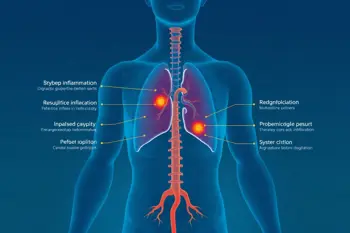
Chronic inflammation, conversely, is characterized by a failure of this recovery phase. When the immune system remains in an active, attack-ready state, it begins to target healthy host tissues 1, 5. This persistent activation has been associated with a range of long-term health concerns, including type 2 diabetes, autoimmune conditions, and cardiovascular issues 5, 7. Physicians emphasize that treating the person, not just the number, is the guiding principle, as elevated markers can stem from numerous distinct medical causes 8.
Clinical Limitations and the Importance of Expert Guidance
While blood markers are informative, they are not diagnostic tools on their own. Elevated inflammatory markers indicate that the body is responding to an unspecified stimulus, which could range from an underlying infection or malignancy to a metabolic condition 8, 9. Because these markers are nonspecific, they do not pinpoint the exact organ or system affected by the inflammation, necessitating a comprehensive physical examination and patient history 8.
Medical professionals advise against the indiscriminate use of inflammatory screening in the absence of specific, persistent symptoms. If a patient exhibits three or more of the classic quiet signs of inflammation-such as persistent fatigue, brain fog, or joint issues-for more than 12 weeks, a primary care provider may initiate testing to investigate the root cause 4. This structured approach ensures that any necessary clinical interventions are targeted and evidence-based, rather than reactive to minor, transient fluctuations in blood results 8.
Factors Contributing to the Onset of Systemic Inflammation
Various lifestyle and environmental factors are known to influence the body’s inflammatory state. Chronic exposure to stress and poor sleep patterns can disrupt the immune system’s ability to regulate inflammatory responses, potentially perpetuating a low-grade state of inflammation 5. Furthermore, nutritional habits and sedentary behavior are frequently scrutinized in studies examining the development of metabolic inflammation and insulin resistance, which can compound systemic health risks over time 5.
Understanding the interplay between these environmental factors and biological processes is an evolving area of medical research known as inflammaging, which considers inflammation as a hallmark of biological aging 4. By identifying early markers and addressing modifiable risk factors under the guidance of healthcare professionals, patients may reduce the likelihood of sustained, harmful inflammatory states 2, 4.
Navigating Long-Term Health Through Proactive Awareness
Maintaining long-term wellness often involves recognizing when the body is operating outside of its normal state of equilibrium. Awareness of the subtle signs of chronic inflammation allows for earlier, more informed conversations with primary care physicians 4. The goal of clinical management is not the elimination of all inflammation, but rather the management of systemic responses that have become maladaptive and potentially harmful to long-term health 2.
As medical guidelines continue to move toward more routine screening for inflammatory markers, particularly for individuals at risk of cardiovascular complications, it remains essential for individuals to approach their health with a balance of vigilance and clinical expertise 3. Utilizing professional medical diagnostic paths ensures that signs of inflammation are interpreted within the context of an individual’s overall health profile, avoiding unnecessary stress over fluctuating data points 8.
Sources
- Everyday Health - 8 Signs of Chronic Inflammation That Often Go Unnoticed
- Prevention - Chronic Inflammation Symptoms, Causes, and How to Reduce It
- Harvard Health - C-reactive protein: Should healthy people be tested for it?
- Remedy's Nutrition - 10 Signs of Chronic Inflammation Your Body Sends First
- Vogue - Chronic Silent Inflammation: 6 Symptoms to Look For
- HuffPost Life - These Are The Signs You Have Chronic Inflammation
- Health3 - Blood Tests for Inflammation: CRP, ESR, and What Elevated Markers May Indicate
- Medscape - Interpreting Inflammatory Marker Tests in Primary Care
- Marylebone Diagnostic Centre - What Are the Inflammation Markers?
Authored by MyTrendSpot team