Are You Experiencing These Hormonal Shift Signs? A Clinical Overview of Symptoms, Causes, and Next Steps
Are you experiencing these hormonal shift signs, such as irregular periods, sleep disruption, mood changes, fatigue, hot flashes, or unexpected changes in sexual health? These symptoms can occur during normal hormonal transitions, including perimenopause, but they can also resemble thyroid disorders, pregnancy, medication effects, and other health conditions. 1
What hormonal shifts mean
Hormones act as chemical messengers affecting sleep, hunger, mood, metabolism, temperature, and sex drive. Levels naturally rise and fall during the menstrual cycle and across life stages, including puberty, pregnancy, postpartum recovery, and the transition toward menopause. Short-term changes can therefore be normal, while persistent or disruptive symptoms may indicate a condition requiring assessment rather than a simple imbalance. 2
Perimenopause is the transitional period before menopause, when estrogen and progesterone can fluctuate unpredictably. Menopause is clinically reached after 12 consecutive months without a menstrual period when another cause does not explain the absence. Timing varies, but perimenopause commonly begins in the mid-to-late 40s, although earlier or treatment-related transitions can occur. 511
Changes in periods and physical symptoms
Menstrual changes are often among the clearest signs of a hormonal transition. Periods may become shorter, longer, lighter, heavier, or less predictable. Associated symptoms can include hot flashes, night sweats, breast tenderness, vaginal dryness, urinary symptoms, acne, dry skin, hair changes, and altered sexual desire. These effects reflect hormonal activity across reproductive and other body systems. 67
A changing cycle does not automatically establish perimenopause or another hormonal diagnosis. Pregnancy, thyroid disease, medication effects, polycystic ovary syndrome, chronic stress, and other medical conditions may produce overlapping symptoms. A clinician generally considers age, menstrual history, pregnancy possibility, medications, health history, and the pattern and duration of symptoms rather than relying on one symptom alone. 812
Sleep, mood, energy, and concentration
Hormonal fluctuations can affect sleep quality and emotional regulation. People may notice difficulty falling asleep, waking during the night, fatigue, irritability, anxiety, low mood, or reduced concentration. Estrogen changes may also affect serotonin activity, which can contribute to mood symptoms. These experiences can occur with perimenopause, but they may also reflect depression, anxiety, sleep disorders, thyroid disease, or other causes. 19
Some clinical reporting identifies mood symptoms resembling premenstrual syndrome in about 4 in 10 women during perimenopause, including irritability, low energy, and concentration difficulty. Sleep disruption can intensify fatigue and brain fog, creating a cycle in which emotional symptoms and physical exhaustion reinforce each other. Symptoms that impair work, relationships, safety, or daily functioning deserve discussion with a healthcare professional. 3
Hormonal shifts at different life stages
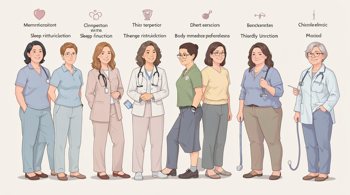
Puberty can bring acne, irregular periods, breast tenderness, and emotional changes as estrogen and progesterone rise. During the reproductive years, stress, pregnancy, birth control, and lifestyle factors may influence cycles, energy, and mood. The postpartum period also involves major hormonal changes that can affect physical symptoms and mood, making persistent or severe emotional changes important to evaluate. 413
During the 30s and 40s, perimenopause may begin gradually and is not limited to the late 40s or 50s. Estrogen, progesterone, and thyroid hormone concerns can overlap with symptoms such as fatigue, poor sleep, weight changes, and mood shifts. Menopause may also follow ovary removal, chemotherapy, radiation, or other treatment affecting ovarian function, rather than occurring only through natural aging. 311
How symptoms are evaluated
Symptom tracking can help clarify whether changes follow a menstrual pattern or persist independently. Useful details include period dates, bleeding amount, hot flashes, night sweats, sleep duration, mood changes, pain, medications, contraception, pregnancy possibility, and the effect on daily activities. A written timeline gives a clinician more context than a single symptom snapshot and can help distinguish a transition from another health problem. 68
Testing is not interpreted in isolation because hormone levels can vary by cycle stage and time of day. Depending on the history, a clinician may investigate thyroid function, pregnancy, blood counts, metabolic concerns, or other targeted causes. Thyroid disease is particularly relevant because it can produce menstrual, mood, sleep, and temperature-related symptoms that resemble menopause complaints. 12
When medical attention matters
Very heavy bleeding, bleeding between periods, bleeding after sex, or any vaginal bleeding after menopause should not automatically be attributed to hormonal change. Such patterns require medical assessment. Severe depression, chest pain, or other alarming symptoms also warrant urgent care. The purpose of evaluation is not to label every symptom as hormonal, but to identify treatable causes and avoid delayed diagnosis. 108
Management depends on the underlying cause and symptom severity. Regular physical activity, healthy weight management, limiting alcohol, avoiding tobacco, and improving sleep habits may support symptom control. Clinicians may also discuss condition-specific treatment, including thyroid medication or therapies for menopause-related symptoms, when appropriate. Because risks and benefits vary by medical history, treatment decisions require individualized professional guidance rather than generalized hormone claims. 79
Sources
- Kaiser Permanente, What women should know about hormonal imbalance symptoms
- Allara Health, Hormone imbalance signs: Complete symptom list and next steps
- Texas Health, Why Hormonal Changes Hit Harder in Your 30s and 40s
- Hackensack Meridian Health, How to Know if Your Hormones are Out of Balance
- National Institute on Aging, Menopause
- American College of Obstetricians and Gynecologists, The Menopause Years
- U.S. Office on Women’s Health, Menopause
- MedlinePlus, Menopause
- Mayo Clinic, Perimenopause
- National Health Service, Menopause symptoms
- The Menopause Society, What is menopause?
- American Thyroid Association, Thyroid disease in women
- National Institute of Child Health and Human Development, Postpartum symptoms
Authored by MyTrendSpot team