Understand scoliosis treatment options: A clinical analysis of management strategies
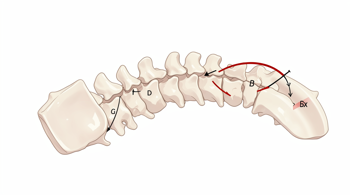
Scoliosis is defined as an abnormal lateral curvature of the spine, often identified by a C-shaped or S-shaped configuration measured through the Cobb angle on radiographic imaging 12. Clinical management is not a one-size-fits-all approach; instead, treatment strategies are determined by a complex interplay of the patient's skeletal maturity, the magnitude of the spinal curve, the presence of symptoms, and the risk of future progression 34. While many instances of scoliosis remain stable and asymptomatic, others require proactive intervention to maintain long-term spinal health and functional mobility 56.
The Role of Observation and Monitoring
For many patients, particularly those with mild spinal curves, the primary management strategy is observation, which involves periodic physical examinations and follow-up spinal radiographs 7. Monitoring is essential for pediatric and adolescent patients who are still in a phase of active growth, as curves can potentially worsen during significant growth spurts 1. Regular professional assessments ensure that if a curve exceeds established thresholds for stability, clinicians can pivot to more active treatment modalities in a timely manner 8.
Observation does not imply a lack of care, but rather a strategic, data-driven approach to tracking spinal alignment over time 3. Parents and patients are typically advised to report changes in posture, such as uneven shoulders or clothes that do not hang symmetrically, which may indicate a change in the spinal curvature 24. The goal during this phase is to prevent unnecessary intervention while remaining prepared to act should the condition progress beyond acceptable limits 8.
Bracing as a Conservative Treatment
Bracing is a standard non-surgical intervention for growing children and adolescents who present with moderate scoliosis, typically defined as a curve between 25 and 40 degrees 9. The primary function of a brace, such as a Thoracolumbar Sacral Orthosis (TLSO), is to apply sustained, gentle pressure to the torso to prevent the curvature from progressing further during the remaining skeletal growth period 59. It is important to note that bracing is generally intended to stabilize the condition rather than permanently correct or straighten the spine 15.
Patients are often directed to wear these custom-fitted devices for a specific duration each day, frequently ranging from 16 to 23 hours to maximize efficacy 9. The success of this approach is highly dependent on compliance with the prescribed wearing schedule. By limiting progression, bracing can often help patients avoid the necessity of surgical intervention during their formative years 5.
Physical Therapy and Rehabilitative Approaches
Scoliosis-specific physical therapy and targeted exercises are frequently utilized to address posture, muscle strength, and flexibility 6. While the clinical evidence regarding the ability of physical therapy to prevent the progression of a spinal curve can vary, these interventions remain a vital component of conservative management to improve overall function and quality of life 10. Therapy is often tailored to the specific three-dimensional nature of the scoliosis, focusing on core stabilization and balance 10.
Physical therapy does not typically resolve the underlying structural deformity of the spine, but it serves as an effective way to manage symptoms such as stiffness or mild back pain 610. In both pediatric and adult populations, maintaining physical activity and muscle support can provide significant relief for patients experiencing discomfort related to spinal asymmetry 610.
Surgical Intervention for Severe Scoliosis
Surgical correction, often involving spinal fusion, is considered for patients with severe or rapidly progressing curves, typically when the Cobb angle reaches approximately 45 to 50 degrees or more 15. The procedure involves the use of specialized implants, such as rods, screws, and hooks, to realign the spine and hold it in a more neutral position while the vertebrae fuse together over time 5. This approach is prioritized when the curve begins to threaten physical balance, respiratory function, or overall comfort 15.
The recovery process and the specific surgical techniques employed are highly individualized based on the unique geometry of the spinal curve and the patient's overall health profile 35. Patients are encouraged to work closely with orthopedic spine specialists to understand the risks and expected outcomes associated with spinal fixation 13.
Managing Scoliosis in Adults
The management of adult scoliosis differs significantly from pediatric care, as the focus shifts toward pain management and the maintenance of daily function in the context of age-related degeneration 7. Adults with scoliosis may face challenges such as sagittal imbalance, where the head is no longer centered correctly over the pelvis, or localized pain due to arthritic changes in the spine 7. In these cases, clinicians may recommend activity modification, physical therapy, pain medication, or, in severe instances, corrective surgery 67.
Because adult spinal deformity is often chronic rather than acute, surgical decisions are weighed heavily against the potential risks and the patient's long-term functional goals 7. Surgeons specializing in adult deformity prioritize patient comfort and mobility over purely cosmetic improvements in spinal alignment 7.
When to Seek Urgent Medical Evaluation
While scoliosis is often a chronic and stable condition, certain clinical red flags necessitate immediate professional assessment. Patients should seek prompt evaluation if they experience new or worsening neurological symptoms, including limb weakness, numbness, or changes in bowel or bladder control 10. Furthermore, if a patient reports severe, unremitting pain or develops new difficulties with breathing, medical consultation is required to rule out complications or other underlying spinal pathologies 10.
Early identification of these symptoms is critical for the effective management of the spine and the preservation of neurological health 10. Always consult with a qualified orthopedic or spine specialist to interpret imaging findings and develop a comprehensive care plan tailored to individual clinical requirements 13.
Sources
- Acibadem Hospitals Group: Scoliosis - Spinal Curvature, Monitoring, and Treatment Decisions
- Merck Manual Professional Edition: Idiopathic Scoliosis
- Surgical Spine Associates: Scoliosis Treatment Options - What You Should Know
- Merck Manual Consumer Version: Scoliosis
- Medtronic: Treating Scoliosis
- Barrington Orthopedic Specialists: What Is Scoliosis - Symptoms and Treatment Guide
- Mass General Brigham: How to Manage Adult Scoliosis
- Annals of Rehabilitation Medicine: Assessment and Management of Adolescent Idiopathic Scoliosis
- Cleveland Clinic: Scoliosis Bracing - What It Is, How It Works, and Types
- Terra Orthopaedica: Diagnostic and Therapeutic Approaches to Physical Therapy for Idiopathic Scoliosis
Authored by MyTrendSpot team