What to Know About Long-Term Hypertension Management: A Clinical Guide to Sustained Blood Pressure Control
Why Long-Term Management Matters
Long-term hypertension management is designed to reduce the risk of heart disease, stroke, kidney disease, and other complications rather than simply lower a single reading. High blood pressure is often symptomless, so a person may feel well while damage continues to affect the heart, brain, kidneys, and eyes. The World Health Organization identifies uncontrolled hypertension as a cause of serious cardiovascular, neurological, and renal disease. 1
The 2025 American College of Cardiology and American Heart Association guidance describes high blood pressure as one of the most prevalent modifiable cardiovascular risk factors. About 50% of adults in the United States are expected to develop high blood pressure during their lifetime, while approximately 31% of adults worldwide are affected. These figures explain why management generally requires a continuing plan rather than a short course of treatment. 2
Understanding Targets and Diagnosis
The 2025 ACC/AHA framework classifies normal blood pressure as below 120/80 mm Hg and identifies hypertension beginning at 130/80 mm Hg. The overarching treatment goal for most adults is below 130/80 mm Hg, although the appropriate target depends on age, overall health, cardiovascular risk, kidney function, and clinician assessment. A target should therefore be treated as an individualized clinical decision rather than a universal rule for every patient. 3
Accurate diagnosis depends on repeated, properly obtained measurements. The U.S. Preventive Services Task Force recommends confirming elevated office readings with measurements outside the clinical setting before beginning treatment. Home or ambulatory monitoring can identify white-coat hypertension, in which clinic readings are higher, and can also reveal blood pressure that is elevated primarily outside the medical office. 4
Home Monitoring and Follow-Up
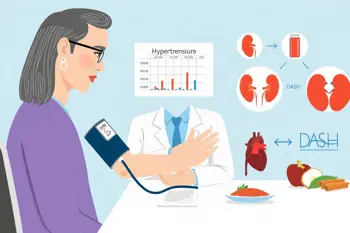
Home monitoring provides information about blood pressure across ordinary daily conditions. The American Heart Association recommends a validated upper-arm monitor, consistent measurement technique, and a written or electronic record of readings. Repeated measurements taken under similar conditions can help clinicians evaluate whether treatment is controlling pressure throughout the week rather than only during an appointment. 5
Follow-up is also used to assess medication effects, adherence, kidney function, and symptoms that may indicate excessive lowering or other adverse effects. The 2025 guideline places greater emphasis on home monitoring and team-based care, while Asian expert consensus similarly highlights home and ambulatory measurements as tools for evaluating 24-hour control and blood-pressure variability. 6
Lifestyle Measures That Support Control
Lifestyle measures are a central part of long-term care, whether or not medication is prescribed. The DASH eating pattern emphasizes vegetables, fruits, whole grains, beans, nuts, and other nutrient-dense foods. Lower sodium intake, regular physical activity, weight management, moderation of alcohol, and tobacco cessation are also recognized measures that can help prevent or manage high blood pressure. 7
The Centers for Disease Control and Prevention identifies healthy eating, reduced sodium, physical activity, healthy weight, limited alcohol use, and not smoking as important elements of blood-pressure management. These changes may be particularly important for adults with stage 1 hypertension and lower cardiovascular risk, for whom the 2025 ACC/AHA guidance recommends a period of lifestyle intervention before medication if pressure remains below the medication threshold. 8
Medication Planning and Adherence
Many adults require one or more medicines to reach their blood-pressure goal. Four commonly recognized first-line classes are angiotensin-receptor blockers, ACE inhibitors, calcium-channel blockers, and diuretics. Selection depends on blood-pressure stage, kidney function, diabetes, coronary artery disease, other health conditions, possible side effects, and practical factors in the patient’s daily life. 9
Harvard Health reports that most adults with hypertension may need at least two medications, while up to 30% may require three. Medication plans are adjusted over time according to readings, tolerability, adherence, and clinical response. Prescribed antihypertensive treatment should not be stopped without medical advice because blood pressure can rise again even when no symptoms are present. 10
Risk Assessment and Organ Protection
Long-term management includes more than reviewing the blood-pressure number. Clinicians may assess cardiovascular risk, kidney health, diabetes, medication effects, and evidence of damage to organs affected by prolonged hypertension. The 2025 ACC/AHA guideline introduces the PREVENT Equation as a risk-assessment approach that incorporates factors including renal function, statin use, and social drivers of health. 11
Kidney protection is especially important because high blood pressure can cause or worsen chronic kidney disease, while kidney disease can also make blood pressure harder to control. Ongoing care may therefore include kidney-function assessment and review of medicines that affect renal health. Controlling pressure helps reduce the likelihood of progression and supports broader cardiovascular risk reduction. 12
When Hypertension Remains Difficult to Control
Resistant hypertension is generally defined as blood pressure above goal despite maximum or optimal doses of three medicines, including a diuretic. Before confirming this diagnosis, clinicians evaluate inaccurate measurement, medication nonadherence, white-coat hypertension, secondary causes, insufficient dosing, untreated comorbidities, and social factors that interfere with care. 13
For confirmed resistant hypertension, an angiotensin-receptor blocker or ACE inhibitor, a dihydropyridine calcium-channel blocker, and a thiazide diuretic are described as components of the preferred initial three-drug regimen. A mineralocorticoid receptor antagonist is identified as the preferred fourth-line option in appropriate patients. The 2025 guideline also expands screening for primary aldosteronism in people with stage 2 or resistant hypertension and recognizes renal denervation as an option for selected cases. 14
Urgent Readings and Practical Safety
A reading above 180/120 mm Hg should be rechecked and treated as a medical concern. Emergency symptoms, including chest pain, shortness of breath, weakness, vision changes, or difficulty speaking, require emergency medical care because they may indicate acute injury involving the heart, brain, or other organs. A single reading should not replace professional evaluation, but it should not be ignored. 5
Medication changes, unusual symptoms, persistent high readings, or concerns about side effects should be discussed with a qualified clinician. The central maintenance principle is continuity: accurate measurements, realistic lifestyle measures, prescribed treatment, and scheduled reassessment work together to reduce the long-term effects of hypertension. Individual targets and medication choices should be determined through clinical evaluation rather than self-directed changes. 1
Sources
- American College of Cardiology and American Heart Association, 2025 Hypertension Guideline Summary
- American College of Cardiology, New Clinical Guidance on High Blood Pressure
- American College of Cardiology and American Heart Association, 2025 Blood Pressure Guideline Framework
- U.S. Preventive Services Task Force, Hypertension in Adults: Screening
- American Heart Association, Home Blood Pressure Monitoring
- Asian Expert Consensus on High-Quality Hypertension Management, Hypertension Research
- National Heart, Lung, and Blood Institute, DASH Eating Plan
- Centers for Disease Control and Prevention, Sodium and Blood Pressure Management
- Harvard Health, Selecting Blood Pressure Medication Combinations
- MedlinePlus, High Blood Pressure
- American College of Cardiology, PREVENT Risk Assessment and 2025 Guideline Update
- National Institute of Diabetes and Digestive and Kidney Diseases, High Blood Pressure and Kidney Disease
- American Family Physician, Resistant Hypertension in Adults
- Current Hypertension Reports, Updates in the 2025 AHA/ACC Hypertension Guideline
Authored by MyTrendSpot team