Police Impound Commercial Vans on Sale: Understanding Public Auction Procedures and Inventory
Police departments across the United States conduct regular auctions of impounded commercial vans and other vehicles through official public sale channels. These auctions represent a significant source of available inventory for businesses, contractors, and individual buyers seeking commercial transport options. Understanding how police impound processes function, what conditions are typically disclosed, and how to navigate the bidding and acquisition process can help prospective buyers make informed decisions when considering participation in these sales.
How Impound Auctions Begin and Operate
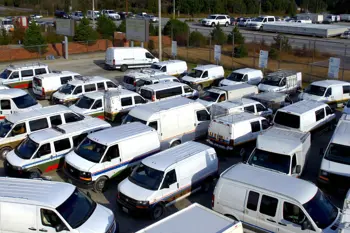
Vehicles enter police impound lots through several distinct pathways: they are seized as evidence in criminal proceedings, they are forfeited under asset forfeiture laws, they are abandoned on public roads without owner contact, or they accumulate unpaid parking or towing citations. Each state and local jurisdiction maintains its own legal framework governing how long a vehicle must remain in impound before it can be released, reclaimed by an owner, or transferred to auction 1. The Columbus Division of Police, for example, regularly holds multiple impound auctions annually, with notices published in advance through official public records channels 2. A typical impound auction held by the Columbus Division features approximately 110 impounded vehicles sold as-is with salvage titles, with gates opening at 8:00 a.m. and sales beginning at 10:00 a.m. on designated Saturdays 2.
Once a vehicle's impound hold period expires and no owner has claimed the vehicle by paying storage and administrative fees, the police agency prepares the lot for public sale. Registration requirements, payment methods, and vehicle condition disclosures are published in advance through official public notices. The Corpus Christi Police Department, for instance, provides owners and lienholders a 20-day window from the publication of an abandonment notice to reclaim impounded vehicles by paying towing, storage, administrative charges and applicable taxes; if unclaimed after that period, vehicles proceed to a public auction scheduled for a specific date 3.
Commercial Van Inventory in Police Impound Sales
Commercial vans appear regularly in police impound auctions because law enforcement agencies treat them as standard vehicles subject to the same impound and disposal processes as passenger cars, trucks, and SUVs. A 2007 GMC Savana full-size van, for example, appeared in a Massachusetts impound auction with detailed condition disclosures including engine specifications (Vortec 4.8L V8, 285 hp), transmission type (automatic), tire condition notes (poor), and mechanical observations such as rust and rot 4. The GMC Savana listing noted that true mileage was unknown, keys were unavailable, and the unit's operational status was undetermined, exemplifying the transparency (and inherent risk) typical of police impound sales 4.
Seized van inventory sources vary widely depending on the jurisdiction and enforcement activity. Federal agencies such as the U.S. Marshals Service manage vehicles seized for suspected federal violations, holding them in secure facilities until a court determines their final status 5. Once a judge issues a forfeiture order, the vehicle is classified as surplus property and frequently handed over to the General Services Administration (GSA) for sale 5. Beyond federal channels, local police departments access online government auction platforms such as GovDeals and PublicSurplus to reach wider audiences of potential buyers 6.
Registration, Bidding, and Payment Requirements
Participation in police impound auctions requires advance preparation and understanding of each jurisdiction's specific rules. All bidders typically must be at least 18 years old and must register with valid identification before the auction begins 2. Registration periods are usually held several hours before the sale starts; for the Columbus auction, registration occurs from 8:30 a.m. onward before a 10:00 a.m. sale start 2. Payment methods are standardized across most police impound auctions: cash is preferred, but checks may be accepted if accompanied by a signed letter from the buyer's bank verifying sufficient funds 2. This dual-payment structure reflects the immediate liquidity demands of police agencies managing large vehicle inventories.
Payment timing and vehicle removal deadlines are firm requirements. In the Columbus auction system, payment is due at 1:00 p.m. on the day of the auction, and all vehicles must be removed from the impound lot by noon on the Wednesday following the Saturday sale date 2. This compressed removal timeline means successful bidders must arrange towing and transportation before or immediately after winning their bids. Failure to meet removal deadlines can result in additional storage fees or forfeiture of the vehicle. Online bidding systems used by some agencies allow pre-approval and remote participation, reducing the need for in-person attendance while maintaining the same strict payment and removal timelines.
Vehicle Condition Assessment and Title Status
Police impound vehicles are sold as-is, meaning buyers assume full responsibility for the vehicle's mechanical and structural condition upon purchase. Inspection periods are built into the auction schedule to allow prospective bidders to evaluate vehicles before bidding begins. The Columbus Division auction, for example, allows public viewing from 8:00 a.m. to 10:00 a.m. before the 10:00 a.m. sale start, providing a two-hour inspection window 2. During inspection, buyers can observe external and visible internal conditions, test door and compartment operation, and document any obvious mechanical issues, but they cannot start engines or conduct comprehensive mechanical testing.
Title status for impound vehicles is frequently salvage rather than clean title, reflecting the legal processes surrounding seizure and forfeiture. When a vehicle carries a salvage title, registration and insurance costs may be affected, and some states impose additional restrictions on resale or commercial operation of salvage-titled vehicles 2. Buyers purchasing commercial vans from police impound auctions must research their state's regulations regarding salvage-titled commercial vehicles before bidding, as restrictions may limit the van's usability for commercial purposes or require costly inspection and repair before registration. Documentation regarding the reason for impound (evidence hold, forfeiture, abandonment, or citation accumulation) is usually available through the public notice but may not be provided to individual auction participants.
Finding and Monitoring Impound Auctions
Police impound auctions are published through multiple channels, and systematic monitoring of these channels is the most reliable way to identify available commercial vans. Official public records websites in each jurisdiction publish impound auction notices with dates, locations, vehicle counts, and registration instructions. NoticeRegistry aggregates public notices including impound auctions across multiple states, allowing buyers to subscribe to alerts for specific counties or regions 7. Government surplus auction platforms such as GovDeals and PublicSurplus frequently list vehicles consigned by local police departments, allowing online browsing and bidding 6. Many larger police departments maintain their own websites with dedicated auction pages listing upcoming sales and vehicle rosters.
Timing and preparation are essential for successful impound auction participation. Buyers should identify auctions 2-4 weeks in advance to allow time for travel planning, financing arrangements, and towing logistics. Subscribing to email alerts from local police departments and government auction platforms ensures notification of new sales as soon as notices are published. Monitoring historical sale data from the same auction location provides insight into typical vehicle prices, condition standards, and inventory composition, helping buyers establish realistic bidding strategies. Creating a network of transport and repair vendors before auction day-such as towing services and mechanics capable of post-purchase diagnostics-allows rapid action upon winning a bid.
Regulatory Oversight and Buyer Protections
Police impound auctions operate under state and federal statutes that govern asset disposal, public notice requirements, and buyer protections. States including Florida, Texas, and California maintain specific statutory frameworks addressing how abandoned and unclaimed vehicles must be handled, including mandatory notice periods before sale 8. These laws typically require that registered owners and lienholders be notified by certified mail before a vehicle can be sold, protecting legitimate ownership interests. However, once the statutory notice period expires without a claim, the vehicle becomes the property of the selling agency and proceeds to auction without further recourse for prior owners.
Buyer protections in police impound auctions are limited by the as-is sale model. No warranty, either express or implied, is extended by the selling agency; the buyer accepts the vehicle in whatever condition it exists at the time of purchase. Some jurisdictions allow return or bid withdrawal if a vehicle is removed from the lot before the auction (for example, if the original owner reclaims it during the inspection window), but this protection does not extend to post-sale disputes about vehicle condition or mechanical function. Title transfer and registration requirements vary by state; some states require salvage vehicle inspections before title can be transferred, while others issue title immediately upon sale. Buyers must verify their state's requirements and plan accordingly, as delays in title transfer can prevent immediate commercial use of the vehicle.
Sources
- Florida Legislature, Vehicle Code Section 695.1055, Florida Statutes addressing disposal of abandoned motor vehicles and public notice requirements
- NoticeRegistry public notice database entry for Columbus Division of Police impound auction, July 24, 2026, 2700 Impound Lot Road, Columbus, Ohio
- NoticeRegistry public notice database entry for Corpus Christi Police impounded vehicles, June 14, 2026, 5485 Greenwood Drive, Corpus Christi, Texas
- Global Auction Guide listing for 2007 GMC Savana full-size van, Auto Impound Solutions Massachusetts auction, vehicle condition and specifications documentation
- MentalFloss article on acquiring cargo vans through police impound auctions, explaining federal custody and General Services Administration oversight of forfeited vehicles
- GovDeals and PublicSurplus official websites describing online government auction platforms used by police departments and municipal agencies for vehicle disposal
- NoticeRegistry public notice aggregation service providing multi-state impound auction notice compilation and subscriber alert functionality
- Texas Transportation Code Section 683 and California Vehicle Code Section 10652 addressing statutory frameworks for abandoned vehicle disposal and public auction procedures
Authored by MyTrendSpot team