Signs you may have contact dermatitis: A Clinical Overview of Skin Reactivity
Understanding Contact Dermatitis and Its Manifestations
Contact dermatitis is a non-contagious inflammatory skin condition that occurs when the skin reacts to direct contact with specific environmental substances 6. The condition is generally categorized into two primary forms: irritant contact dermatitis, which results from physical damage to the skin barrier, and allergic contact dermatitis, which is driven by an immune system response 4. Identifying the specific signs of this condition often begins with observing localized skin changes that align with the area of exposure 7.
Clinical evidence suggests that while any part of the body can be affected, the hands and face are the most frequent locations for these reactions 1. Symptoms often present as a red, itchy rash, though the specific visual presentation may vary significantly based on individual skin tone 1. For instance, on white skin, the reaction typically appears red, whereas on black or brown skin, it may manifest as dark brown, grey, or purple patches 1.
Common Physical Symptoms and Sensations
Patients frequently report a range of discomforts associated with the condition, including intense itching, dryness, and cracking of the skin 1. In many cases, the affected area may become inflamed or swollen, particularly in regions where the skin is thinner, such as the eyelids or genital areas 5. The skin may also exhibit blistering, which can lead to weeping, oozing, or the eventual formation of crusts during active stages of the reaction 1.
Beyond visual changes, subjective symptoms such as burning, stinging, or localized tenderness are commonly documented 1. These sensations are particularly indicative of irritant-based reactions where the protective lipid barrier of the skin has been compromised 4. Over time, if the exposure remains persistent or chronic, the skin may undergo structural changes, appearing leathery, thickened, or scaly 1.
Distinguishing Irritant Versus Allergic Reactions
The timing of symptom onset serves as a critical diagnostic clue in distinguishing between the two primary types of contact dermatitis 7. Irritant contact dermatitis, which accounts for roughly 80% of all cases, often develops rapidly, appearing within minutes to 48 hours following exposure to harsh chemicals, detergents, or constant friction 7. Because this form is not driven by an allergy, it can potentially affect any individual, particularly those with a history of atopic dermatitis 4.
Conversely, allergic contact dermatitis is characterized by a delayed hypersensitivity response 8. In this instance, symptoms generally do not manifest until 24 to 72 hours after the skin has come into contact with a specific allergen 1. Once the immune system is sensitized to a particular substance, future exposures to even trace amounts of that allergen can trigger a recurrent inflammatory response 8. These reactions are often confined strictly to the site of contact but can spread if the allergen is transferred via touch 1.
Recognizing Patterns in Skin Presentation
A distinctive feature of contact dermatitis is the geometric or localized nature of the rash 7. Because the condition is strictly tied to physical contact, the rash often mimics the shape of the object or substance that caused the exposure 7. For example, a band of inflammation beneath a watch strap or a linear pattern corresponding to jewelry or garment edges is a strong indicator of contact-based dermatitis rather than a systemic skin issue 7.
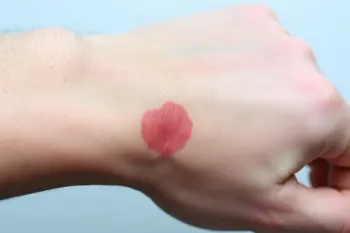
Healthcare providers often look for these sharp, defined borders when assessing a patient's condition 7. While common triggers such as nickel, fragrances, and rubber are frequently associated with allergic responses, irritants like soaps, solvents, and industrial chemicals often cause broader, less predictable patterns of irritation 3. Recognizing that the rash is confined to the area of contact is essential for excluding other dermatological conditions that may appear more widespread or systemic in nature 2.
Occupational and Environmental Risk Factors
Certain populations face a higher probability of developing contact dermatitis due to their professional environments or daily habits 4. Individuals employed in sectors involving frequent handwashing, exposure to wet work, or regular contact with surfactants and chemical solvents are statistically more susceptible to irritant contact dermatitis 4. Occupations such as healthcare, hairdressing, beauty services, and metalworking machine operation are frequently identified as high-risk roles 2.
Environmental triggers are broad and varied, ranging from household items like adhesives, cosmetics, and fabric dyes to workplace materials like cement or pesticides 3. Understanding these risks allows for more effective management, as the primary strategy for relief typically involves the systematic identification and avoidance of the offending agent 6. When triggers remain unclear, professional dermatological assessment, including patch testing, may be utilized to accurately pinpoint specific allergens 6.
When to Seek Professional Medical Guidance
While many mild cases of contact dermatitis improve when the trigger is successfully removed, persistent or severe reactions necessitate professional medical evaluation 6. Clinical guidelines suggest consulting a healthcare provider if the rash is widespread, accompanied by significant pain, or if it shows signs of secondary infection, such as pus, increased warmth, or fever 6. Furthermore, if the reaction affects sensitive areas like the face, eyes, or genitals, early intervention is recommended to manage swelling and prevent complications 5.
Patients should also seek advice if the condition fails to settle within a few weeks of avoiding suspected irritants or allergens 1. Constant itching that disrupts sleep or daily functioning is another key indicator that additional therapeutic management may be required 5. A clinician can provide a tailored approach involving barrier repair strategies, anti-inflammatory treatments, and expert guidance on avoiding future flare-ups 6.
Sources
- HSE: Symptoms of contact dermatitis
- British Skin Foundation: Contact dermatitis
- UF Health: Contact Dermatitis
- Allergy UK: Contact Dermatitis: Allergic and Irritant
- Health New Zealand: Allergic contact dermatitis
- Acibadem Hospitals Group: Contact dermatitis symptoms, causes, and treatment
- HarlanMD: Contact dermatitis symptoms, timing, shape, stage, and location
- Dermatrials: Allergic contact dermatitis causes, symptoms, and treatment
Authored by MyTrendSpot team