Early symptoms of tendonitis you should know: An Analytical Guide to Identifying Tendon Inflammation
Understanding the Nature of Tendonitis
Tendonitis is defined as the irritation or inflammation of a tendon, the fibrous tissue that connects muscle to bone and enables joint movement 1. Unlike acute traumatic injuries, tendonitis often develops gradually due to repetitive strain, age-related tissue changes, or sudden increases in physical activity levels 2. Clinical observations indicate that these fibrous bands, primarily composed of collagen, act as essential connectors that endure significant mechanical stress during daily movement 7. When the accumulated stress exceeds the body’s natural ability to recover, the tendon begins to show signs of distress, including localized soreness and reduced structural integrity 1.
The condition is frequently observed in individuals performing repetitive tasks, such as typing, lifting, or engaging in specific sports like running and throwing 5. Because tendons naturally become less flexible with age, the risk of developing these symptoms increases over time, even among those who remain active 5. Research suggests that ignoring these initial warning signs can lead to the progression of chronic tendinopathy, characterized by degenerative changes and potential tissue scarring that may restrict future motion 3.
Identifying Localized Pain and Sensitivity
The hallmark symptom of tendonitis is pain that is highly localized near a joint rather than deep within the muscle tissue 4. This discomfort typically presents as a dull ache that sharpens during or immediately following physical activity 6. Unlike general muscle soreness, the pain associated with tendon inflammation is often specific to a single point where the tendon attaches to the bone 7. Patients frequently report that this sensation becomes more pronounced when pressure is applied directly to the affected area or when the joint is moved in a way that loads the specific tendon 4.
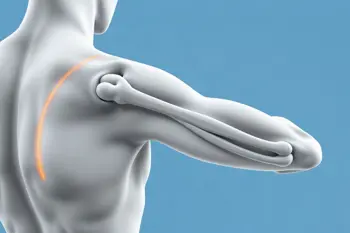
Understanding the location of these symptoms is a key diagnostic step. Common sites for such inflammation include the rotator cuff of the shoulder, the lateral epicondyle of the elbow, the patellar tendon of the knee, and the Achilles tendon in the heel 3. If pain radiates broadly across a joint rather than remaining at a specific site, clinical guidelines suggest it may indicate an alternative orthopedic issue 6. Monitoring whether the pain intensifies with specific, repetitive movements is a vital method for distinguishing tendon-related irritation from other types of physical fatigue 4.
Stiffness, Swelling, and Reduced Mobility
In addition to pain, stiffness and reduced range of motion are common early markers of tendon distress 8. Many individuals report significant difficulty or discomfort when attempting to move the affected body part, particularly after periods of rest or immediately upon waking in the morning 6. While mild activity can sometimes help alleviate this morning stiffness, the persistence of the sensation remains a diagnostic signal that the tendon is under excessive mechanical stress 9. Furthermore, clinical reports note that visible swelling, warmth, or redness over the tendon area may occur, though these signs are not present in every case 1.
Reduced function often manifests as a decline in the ability to perform tasks that were previously routine, such as climbing stairs, lifting objects, or typing 7. In some instances, individuals may experience a grating or crackling sensation known as crepitus when moving the affected joint 11. These symptoms generally signal that the structural integrity of the collagen fibers is being compromised 3. Left unmanaged, these minor physical limitations can evolve into chronic pain cycles that negatively impact day-to-day productivity and overall quality of life 3.
Risk Factors and Preventive Considerations
The progression of tendonitis is heavily influenced by occupational and lifestyle factors. Repetitive motions, such as those performed by office workers, laborers, or athletes, are among the most common contributors to the condition 1. Additionally, poor biomechanics or improper posture can increase the cumulative load on specific tendons, accelerating the onset of inflammation 5. Because tendonitis often starts as micro-tears that accumulate over time, the body’s failure to implement adequate recovery periods is a major factor in the transition from mild irritation to a chronic, debilitating state 5.
Maintaining awareness of physical limits is essential for risk reduction. The following table summarizes the primary categories of risk that often contribute to the development of tendon-related discomfort:
| Risk Category | Example Factors |
|---|---|
| Repetitive Strain | Continuous typing, overhead lifting, throwing, jumping |
| Biomechanical Factors | Improper posture, poor technique, muscle imbalance |
| Physiological Factors | Age-related collagen changes, decreased blood supply |
| Activity Changes | Sudden increases in exercise intensity or duration |
The Clinical Importance of Early Evaluation
Timely medical evaluation is recommended for any persistent or worsening tendon pain, particularly when it begins to limit normal activity 8. Professional diagnosis usually involves a clinical examination of the symptoms and a review of the patient's activity history 2. In cases where the source of pain is unclear or symptoms are chronic, medical providers may utilize imaging techniques to assess the extent of the tissue degeneration or inflammation 1. Early intervention is widely considered the most effective way to prevent the development of long-term tendon problems 1.
Standard treatment approaches often emphasize a multi-faceted recovery plan. This frequently includes load modification, which involves adjusting the intensity of activities to protect the injured tissue, and structured physical therapy to restore flexibility and strength 1. Some clinical protocols may incorporate the use of nonsteroidal anti-inflammatory drugs (NSAIDs) for short-term pain relief or the use of supportive devices to stabilize the joint 2. Relying solely on rest without accompanying rehabilitation exercises can sometimes prove ineffective, highlighting the importance of guided, progressive care for full recovery 6.
Complications of Untreated Tendon Inflammation
Failing to address the early symptoms of tendonitis can lead to severe consequences, including chronic tendinosis, where the tendon tissue undergoes permanent degenerative changes 6. In serious cases, the weakening of the tendon can lead to a complete tear or rupture, a condition that may require surgical intervention to repair 9. Furthermore, the development of scar tissue around the tendon sheath can permanently restrict motion and contribute to ongoing, unpredictable discomfort 3. Understanding these risks reinforces the necessity of prioritizing early recognition over the assumption that the condition will resolve on its own without intervention 6.
Sources
- Acibadem Hospitals Group: Tendinitis - Early Signs, Risk Factors, and How It Is Treated
- MSD Manual Consumer Version: Tendinopathy
- Merck Manual Professional Edition: Tendinopathy
- Top Care Emergency Room: 7 Warning Signs of Tendonitis
- Unruh Spine Centers: How to Recognize the Signs of Tendonitis & When to Seek Treatment
- Stride Foot & Ankle: Tendonitis - Symptoms, Causes, and Treatment Options
- Center for Specialty Care: Tendinitis - The Lowdown on Those Pesky Tendon Inflammations
- Center for Wellness Orthopedic, Pain & Spine of America: Recognizing the Early Signs of Tendon Injuries
- Mayo Clinic: Achilles tendinitis - Symptoms & causes
- Mayo Clinic: Tendinitis - Symptoms and causes
- General medical research references regarding crepitus and tendinopathy symptoms
Authored by MyTrendSpot team