Migraine Warning Signs: A Clinical Overview of Premonitory Symptoms and Attack Stages
Recognizing the onset of a migraine is a critical component of neurological health management. A migraine is frequently described as a complex neurological event rather than a standard headache, involving distinct phases that may manifest hours or even days before physical pain reaches its peak intensity 4. By identifying specific premonitory symptoms, individuals may be better equipped to implement appropriate self-management strategies or utilize acute medications before an attack fully escalates 2. This article provides an objective look at the stages of migraine and the clinical warning signs associated with each phase.
The Prodrome Stage: Identifying Early Premonitory Indicators
The prodrome, or premonitory stage, occurs before the headache phase and serves as an early indicator that a migraine attack is approaching. This stage can begin several hours or even days before the onset of pain 1, 5. Clinical data suggests that prodromal symptoms are highly individualized, meaning a person may experience a unique pattern that remains consistent across their own attacks, even if those symptoms differ from others 1. Keeping a symptom journal is often recommended by clinicians to help patients identify their specific pattern and differentiate these signs from common daily fluctuations 1.
Common symptoms reported during the prodrome phase are diverse and affect multiple body systems. Fatigue is frequently cited, affecting approximately 72% of patients, while difficulty concentrating is noted by 51%, and neck stiffness is reported in 50% of cases 7. Other recurring signs include frequent yawning, increased frequency of urination, and specific food cravings, particularly for chocolate or sweets 1, 8. Some individuals may also experience mood fluctuations ranging from irritability or depression to unexplained feelings of euphoria, while others encounter digestive disturbances such as nausea or changes in bowel habits 1, 8.
The Aura Phase: Sensory and Neurological Phenomena
Aura represents a distinct phase that affects approximately one-third of migraine patients 7. These phenomena typically develop gradually over several minutes and involve reversible neurological disturbances that usually last for up to 60 minutes 7. Unlike the diffuse feelings of the prodrome stage, aura is characterized by specific sensory, visual, or speech-related deficits that manifest as the brain processes light, sound, or movement differently 4. In the majority of cases, the aura precedes the onset of the main headache phase 8.
Visual disturbances are the most common form of aura, though somatosensory and dysphasic symptoms also occur frequently. Typical manifestations include:
- Visual disturbances: Flashing lights, zigzag lines, shimmering spots, or temporary blind spots 10.
- Sensory changes: Tingling or numbness sensations that may spread through the extremities 10.
- Speech difficulties: Temporary challenges with language processing or articulation 10.
- Motor or cortical involvement: Less frequent but documented instances of dyspraxia or higher cortical dysfunction 8.
Clinical Characteristics of the Headache Phase
The headache stage is the core of the migraine attack, characterized by moderate to severe pain that is often throbbing or pulsing in nature 3. While the location of pain can be bilateral, it is frequently described as unilateral, affecting one side of the head 3, 7. This phase is marked by high levels of disability and significant sensitivity to external stimuli, which can turn even simple environments into sources of further discomfort for the patient 7. Left untreated, a migraine attack can last between four hours and three days 2.
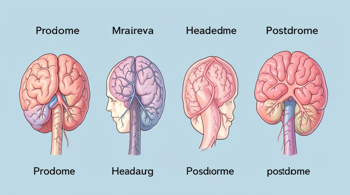
Sensitivity to the environment is a hallmark of this stage. Patients often experience photophobia (sensitivity to light), phonophobia (sensitivity to sound), and sometimes osmophobia (sensitivity to smells), which can aggravate the pain levels 6. Nausea and vomiting are also commonly observed as part of the neurological event 3. The severity of the headache is often compounded by physical activity, leading many individuals to seek rest in a dark, quiet room to mitigate the sensory input that exacerbates their symptoms 4.
Distinguishing Between Triggers and Symptoms
A common area of clinical discussion involves the distinction between migraine triggers and early warning signs. While patients often report that specific factors-such as chocolate, alcohol, or bright lights-precipitate an attack, recent research indicates that some of these perceived triggers may actually be part of the early symptom complex (prodrome) of the attack itself 6. For example, if an individual craves chocolate during the prodrome and consumes it shortly before the pain begins, the craving may be an early symptom rather than a causative factor 1.
| Factor | Common Observation |
|---|---|
| Trigger Factors | Reported in approximately 82% of attacks 8. |
| Primary Triggers | Lack of sleep, stress, and hormonal changes are frequently cited 3, 8. |
| Trigger Correlation | A higher number of triggers often correlates with a higher number of prodromal symptoms 8. |
The Postdrome Phase: The Recovery Period
Following the headache phase, many individuals enter the postdrome stage, often referred to as the recovery period. During this time, the intensity of the head pain subsides, but patients may still experience lingering fatigue, brain fog, or persistent sensitivity to light and sound 6. The duration of the postdrome can vary, though most patients report a return to their baseline level of functioning within 24 hours of the headache resolution 7. Understanding this stage is important for managing expectations regarding the time required for full recovery after a significant attack.
When to Seek Emergency Medical Attention
While migraines are a chronic condition, certain symptoms serve as clinical red flags that necessitate immediate medical evaluation. A sudden, extremely severe headache-often described as a "thunderclap"-requires urgent care to rule out more serious intracranial events 10. Furthermore, any new or significantly different headache symptoms occurring after the age of 50, or those accompanied by fever, a stiff neck, confusion, seizures, or loss of consciousness, should be assessed by a healthcare professional immediately 10. Neurological deficits such as facial drooping, limb weakness, or persistent speech impairment are not typical of standard migraines and must be investigated as potential medical emergencies 10.
Sources
- WebMD: Migraine Warning Signs and What You Can Do
- The Migraine Trust: Stages of a migraine attack
- MedlinePlus: Migraine
- Pantheon Clinical: What Does a Migraine Feel Like?
- New Tampa Interventional Pain and Sports Medicine: 5 Migraine Warning Signs
- Gentle Care Blog: Migraines: Triggers Vs. Warning Signs
- British Association for the Study of Headache (BASH): 2.1.2 Migraine clinical features
- PubMed: Triggers, prodrome, aura, and headache interactions in migraine
- WebMD: Rescue vs. Preventive Migraine Medications
- General Medical Consensus: Migraine Clinical Indicators and Emergency Red Flags
Authored by MyTrendSpot team