Warning signs of mastitis: A guide to identifying clinical symptoms and progression
Mastitis is an inflammatory condition of the breast tissue that most frequently affects individuals during the breastfeeding journey 1, 4. While often associated with the first 6 to 12 weeks postpartum, it can occur at any stage during lactation 1, 9. Recognizing the early warning signs is essential, as the condition can progress rapidly from localized discomfort to systemic illness within a matter of hours 6, 9. Understanding the distinction between benign engorgement, clogged ducts, and true mastitis is the first step toward effective management 5, 10.
Localized Breast Indicators
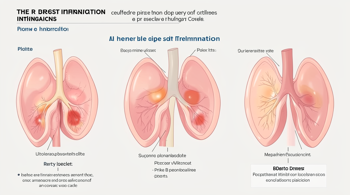
The primary clinical manifestations of mastitis are concentrated in the affected breast tissue. Many patients report the sudden onset of a firm, tender lump or a localized area of swelling that feels noticeably warmer than the surrounding tissue 1, 6. This area often presents as a red, wedge-shaped patch, which serves as a tell-tale physical marker for clinical assessment 1, 3. In many instances, the skin over the affected area may appear taut, shiny, or discolored, signaling significant underlying inflammation 6, 15.
Pain is another consistent symptom, often described as throbbing or sharp, particularly during breastfeeding or pumping sessions 2, 9. Unlike typical breastfeeding soreness that improves with latch adjustments, mastitis pain may be constant and exacerbate during the let-down reflex 3, 5. In some cases, individuals may observe discharge from the nipple or the presence of red streaks extending outward from the site of inflammation, which requires urgent medical evaluation to rule out deeper infection 1, 3.
Systemic Symptoms and Flu-Like Indicators
Beyond local breast pain, mastitis often presents with systemic symptoms that mimic the flu, which can lead to a general sense of being unwell 1, 4. These symptoms typically include a high fever, often measured at 101.3 degrees Fahrenheit or greater, accompanied by chills and shivering 3, 6. Many individuals report intense body aches and profound fatigue that develop alongside the breast-specific physical changes 4, 5. Because these symptoms arise rapidly, they are often the most distressing aspect of the condition for the patient 6.
Nausea or vomiting may also occur in more severe presentations of the condition 1. It is important to note that these systemic effects indicate that the body is responding to an inflammatory or infectious process that has moved beyond the local ductal system 5. Because the condition can escalate quickly, the appearance of a fever in combination with a painful breast is a primary indicator that the situation has transitioned from simple milk stasis to a state requiring potential medical intervention 5, 9.
Progression: From Milk Stasis to Infection
The development of mastitis is often described as a spectrum rather than a single event 5. It typically originates with milk stasis, where milk is not efficiently removed from the breast due to infrequent feedings, poor latch technique, or external pressure, such as from a tight-fitting bra 1, 2. When milk remains stagnant in the ducts, it creates an environment conducive to inflammation and bacterial growth, often involving common skin bacteria such as Staphylococci 1, 9. This compromised state is often exacerbated by cracked or sore nipples, which provide an entry point for bacteria 2, 4.
If the milk stasis is not addressed promptly, the inflammatory response intensifies, eventually triggering the systemic immune reaction characterized by fever and chills 2, 6. While non-infectious mastitis can resolve with improved drainage and conservative management, persistent bacterial presence may necessitate a course of antibiotics 3, 10. The goal of early intervention is to prevent the transition from simple inflammation to more severe complications, such as the formation of a breast abscess 2, 9.
Differentiating Mastitis from Other Breast Concerns
| Condition | Primary Indicators | Systemic Symptoms |
|---|---|---|
| Engorgement | Both breasts feel full, hard, and painful | None or mild |
| Clogged Duct | Hard, tender lump in one spot | None |
| Mastitis | Red, hot, wedge-shaped area | Fever, chills, flu-like aches |
It is clinically necessary to distinguish mastitis from engorgement or clogged ducts to ensure appropriate management 7. Engorgement is commonly seen in the first days postpartum as milk supply increases, typically affecting both breasts uniformly with generalized swelling 7, 9. A clogged duct, by contrast, involves a specific, palpable lump but lacks the associated redness, systemic fever, and overall malaise seen in mastitis 9. Distinguishing these allows for more focused care and reduces unnecessary alarm 9.
When to Seek Medical Assessment
Medical professionals generally advise that if symptoms of mastitis do not show improvement within 12 to 24 hours of consistent self-care-such as frequent emptying of the breast and rest-a clinical assessment is required 8, 9. A physician can perform an examination to confirm the diagnosis and determine if systemic antibiotic treatment is appropriate 1, 4. Furthermore, if a patient experiences high fever or worsening pain, professional evaluation should be sought immediately to rule out the formation of an abscess or other secondary complications 4, 9.
Leaving symptoms untreated poses risks, including the development of a collection of pus that may require surgical drainage 6, 9. Early dialogue with a healthcare provider, such as an OB-GYN, primary care physician, or lactation consultant, can help establish a recovery plan that allows for the safe continuation of breastfeeding when possible 2, 7. Monitoring for red streaks or systemic decline is a critical component of postpartum health awareness 3, 6.
Supportive Care and Management Realities
Managing the symptoms of mastitis while at home requires a balance of frequent milk removal and physical rest 3. Frequent breastfeeding or pumping at least every two hours is often recommended to maintain flow and prevent further milk stasis, which is the primary driver of the condition 3, 4. Cold compresses may be utilized between sessions to manage pain and reduce localized swelling, while warm compresses or showers prior to nursing can help facilitate milk release 3.
Modifying daily habits is also a part of the recovery process. This may include avoiding restrictive clothing, such as underwire bras, which can apply unnecessary pressure to the breast tissue and block milk ducts 3. Additionally, the condition may temporarily alter the sodium content of breast milk, which can lead to a slight change in taste; while some infants may show increased fussiness during these periods, the milk remains safe for consumption 10. Maintaining hydration and ensuring adequate nutrition are secondary but important pillars for recovery from the fatigue associated with the infection 3.
Sources
- https://familydoctor.org/condition/mastitis/
- https://www.geisinger.org/health-and-wellness/wellness-articles/2026/02/18/16/02/mastitis-symptoms
- https://lansinoh.com/blogs/expert-guidance/what-is-mastitis
- https://acibademinternational.com/health-library/mastitis-early-signs-risk-factors-and-how-it-is-treated/
- https://rattlestork.org/en-US/mastitis
- https://www.amme.mom/knowledgebase/nursing/mastitis/
- https://solidstarts.com/breast-engorgement-vs-mastitis/
- https://momcozy.com/blogs/momcare/mastitis-symptoms-breastfeeding
- https://www.chatrx.md/conditions-library/mastitis-infection-emergency-signs/
- https://lactationloop.com/blog/mastitis-vs-engorgement-vs-clogged-duct
Authored by MyTrendSpot team