Early symptoms of liver disease everyone should know: A clinical guide to subtle warning signs
Early symptoms of liver disease everyone should know include persistent tiredness, nausea, reduced appetite, right-sided discomfort, itching, and changes in the skin, urine, or stool. These signs are not specific to liver conditions, and many people have no symptoms until disease is advanced, so symptoms alone cannot establish whether the liver is healthy. 1
Why early liver disease can be difficult to recognize
Adult liver disease commonly develops slowly over many years. The liver can continue performing essential functions despite injury, which means a person may feel well while inflammation, fat accumulation, or scarring progresses. Liver UK notes that many people have no symptoms until a late stage, while NHS inform reports that early cirrhosis often has few obvious symptoms and may be discovered during tests for another illness. 1 4
This quiet progression is why symptoms should be treated as signals for assessment rather than as a diagnostic checklist. Liver UK states that it is not possible to determine from symptoms alone whether the liver is healthy. People with recognized risk factors may need medical discussion even when they feel well, because earlier identification can allow the cause to be addressed and may help prevent further damage. 1 2
Persistent fatigue and general unwellness
Unexplained fatigue is among the most commonly reported early, nonspecific symptoms associated with liver disease. It may appear as a persistent lack of energy, reduced exercise tolerance, or tiredness that does not improve after rest. Liver UK lists feeling generally unwell and feeling tired all the time, even after resting, among possible early symptoms. These complaints can also result from sleep problems, anemia, infection, stress, or other medical conditions. 1 5
Fatigue becomes more relevant when it is persistent or occurs alongside nausea, appetite changes, itching, abdominal discomfort, or visible changes such as jaundice. News reporting that cited clinical commentary described several possible contributors, including inflammation, altered brain signaling, muscle loss, poor sleep, anemia, and reduced exercise tolerance. None of these features proves liver disease, but a continuing pattern warrants discussion with a clinician and may lead to liver blood tests. 5 8
Nausea, appetite loss, and right-sided discomfort
Feeling or being sick, reduced appetite, and gradual weight loss can occur with liver problems, although they are also common in gastrointestinal and systemic illnesses. Liver UK includes nausea and vomiting among possible early symptoms, while NHS inform identifies loss of appetite and nausea as symptoms that may appear as cirrhosis develops. A sustained reduction in food intake or unexplained weight change should therefore be assessed in context rather than attributed automatically to the liver. 1 4
Pain or a sore feeling beneath the ribs on the upper right side may occur when the liver is inflamed or enlarged. This discomfort is not specific, because the gallbladder, stomach, bowel, muscles, and other structures can produce similar sensations. Clinical evaluation generally considers the duration, severity, associated symptoms, medication history, alcohol exposure, and possible viral hepatitis risk. Persistent or worsening discomfort should be reported rather than self-diagnosed. 1 10
Skin, urine, stool, and itching changes
Jaundice means yellowing of the skin or the whites of the eyes. It can occur when bilirubin builds up because the liver cannot process or excrete it properly, although red blood cell breakdown and bile duct obstruction can also cause it. New jaundice is a clinically important sign and requires prompt medical evaluation. Dark urine, often described as tea or cola colored, may accompany bilirubin-related problems. 5 9 11
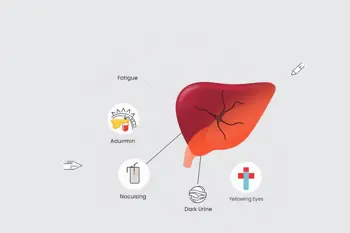
Itching without a visible rash can be associated with cholestasis, in which bile flow slows or stops. Pale or clay-colored stool may also indicate disruption involving bile flow, the liver, or gallbladder, while black, tar-like stool is a separate warning sign that can indicate bleeding. These changes have several possible causes, so their significance depends on examination and testing. Recording when they began and whether they are recurring can help clinical assessment. 12 13 4
Swelling, bruising, and signs of progression
Swelling in the ankles, legs, or abdomen can occur when advanced liver disease affects fluid balance and the production of albumin, an important blood protein. Abdominal fluid accumulation is called ascites, while swelling in the limbs is called edema. These findings are generally more concerning for significant liver dysfunction than for an isolated early symptom. NHS inform describes fluid buildup in the legs and abdomen among later cirrhosis symptoms. 4 14
Bruising or bleeding more easily than usual may reflect reduced production of blood-clotting proteins by a damaged liver. Confusion, drowsiness, or changes in alertness can occur when toxins accumulate and affect brain function, a complication known as hepatic encephalopathy. Such developments should not be treated as routine fatigue or aging. A clinician needs to distinguish liver-related causes from medication effects, nutritional problems, bleeding disorders, infection, or neurological illness. 15 16
Red flags requiring emergency assessment
Some symptoms indicate potentially serious complications and require emergency medical attention. Liver UK advises going to an emergency department or calling emergency services for vomiting blood, difficulty getting enough air, very dark or black tar-like stool, unusual confusion or difficulty staying awake, and new jaundice. These signs may have causes other than cirrhosis, but they still require urgent assessment because bleeding, impaired consciousness, breathing problems, or severe liver dysfunction can be life-threatening. 1
- Vomiting blood or passing black, tar-like stool can signal gastrointestinal bleeding. 1
- New confusion, marked drowsiness, or difficulty staying awake can indicate impaired brain function or another serious illness. 1 16
- Yellow eyes or skin, especially when newly appearing, should receive prompt medical evaluation. 1 9
- Shortness of breath may accompany serious illness and is listed by NHS inform among symptoms requiring medical attention in cirrhosis. 4
Risk factors, testing, and interpretation
Risk can exist without symptoms. Liver UK identifies regularly drinking more than 14 units of alcohol weekly, obesity with a body mass index above 30, type 2 diabetes, and possible exposure to viral hepatitis as reasons to ask a general practitioner about liver assessment. Some liver diseases are inherited, while others involve the immune system. These factors do not prove disease, but they change the threshold for discussing screening and prevention. 2
Initial evaluation commonly begins with a medical history and blood tests, according to Liver UK. Depending on the findings, clinicians may use imaging or additional liver-specific testing. Results must be interpreted alongside symptoms, risk factors, alcohol and medication history, and other possible diagnoses. Liver damage may be treatable or slowed when identified early, but the absence of symptoms does not guarantee normal liver function. 1 2 3
Sources
- Liver UK, Symptoms of liver disease: https://liveruk.org/about-liver-disease/symptoms-of-liver-disease/
- Liver UK, Worried about your liver?: https://liveruk.org/about-liver-disease/signs-and-symptoms/worried-about-your-liver/
- Mayo Clinic, Cirrhosis, symptoms and causes: https://www.mayoclinic.org/diseases-conditions/cirrhosis/symptoms-causes/syc-20351487
- NHS inform, Cirrhosis: https://www.nhsinform.scot/illnesses-and-conditions/stomach-liver-and-gastrointestinal-tract/cirrhosis/
- The Indian Express, Early signs of liver disease: https://indianexpress.com/article/lifestyle/health/early-signs-of-liver-disease-5-symptoms-you-should-never-ignore-10784113/
- Times Now, Signs of liver damage: https://www.timesnownews.com/health/signs-of-liver-damage-early-symptoms-advanced-warning-signs-and-when-to-seek-help-article-153402079
- The Times of India, Early signs of liver disease: https://timesofindia.indiatimes.com/health/early-signs-of-liver-disease-you-shouldnt-ignore-when-to-act-and-how-to-protect-your-liver-before-its-too-late/photostory/130386339.cms
- TheHealthSite, Warning signs of liver disease: https://www.thehealthsite.com/diseases-conditions/your-liver-may-be-silently-failing-doctor-reveals-5-warning-signs-you-should-never-ignore-1333521/
- Knowridge, Early warning signs of liver failure: https://knowridge.com/2026/07/early-warning-signs-of-liver-failure-everyone-should-know/
- Healthline, Liver pain: https://www.healthline.com/health/liver-pain
- Cleveland Clinic, Liver disease: https://my.clevelandclinic.org/health/diseases/15477-liver-disease
- Johns Hopkins Medicine, Liver disease: https://www.hopkinsmedicine.org/health/conditions-and-diseases/liver-disease
- WebMD, Liver disease symptoms: https://www.webmd.com/digestive-disorders/ss/slideshow-liver-disease
- MedlinePlus, Liver diseases: https://medlineplus.gov/liverdiseases.html
- National Institute of Diabetes and Digestive and Kidney Diseases, Liver disease symptoms and causes: https://www.niddk.nih.gov/health-information/liver-disease/symptoms-causes
- Mount Sinai, Liver disease: https://www.mountsinai.org/health-library/diseases-conditions/liver-disease
Authored by MyTrendSpot team