Warning signs of prostate cancer: An analysis of clinical markers and early detection
Understanding the Biological Context of Prostate Cancer
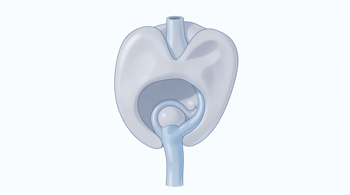
Prostate cancer originates when cells within the prostate gland, a small organ located beneath the bladder in individuals with male reproductive systems, begin to mutate and multiply uncontrollably 1. As these abnormal cells accumulate, they can form a tumor that may eventually interfere with surrounding physiological functions 1. The prostate plays a critical role in reproductive health by producing essential components for semen, but its proximity to the urethra means that any abnormal growth can readily impact urinary flow 1. Because the condition often develops slowly, many individuals remain entirely asymptomatic during the early stages of the disease 2.
Risk assessment is a fundamental component of prostate health management. Demographic factors, including age, race, and family history, are known to influence an individual's susceptibility to the disease 3. Statistics indicate that prostate cancer is one of the most common cancers affecting individuals over the age of 50 3. While not all prostate cancers are aggressive, the potential for malignancy necessitates a proactive approach to monitoring, typically involving regular check-ups and discussions with healthcare providers regarding screening protocols 4.
Common Urinary Changes and Clinical Indicators
The most frequently reported symptoms associated with prostate-related health issues are categorized as lower urinary tract symptoms, or LUTS 2. These manifestations occur when a tumor or enlarged prostate tissue compresses the urethra, the tube responsible for transporting urine from the bladder 4. Common indicators include difficulty initiating the flow of urine, a weak or interrupted urinary stream, and the sensation that the bladder has not been fully emptied after urination 5.
Furthermore, frequency and urgency are significant markers to monitor. Many patients report the need to urinate more often than usual, particularly during nighttime hours, a condition known as nocturia 5. While these symptoms are often associated with benign conditions like benign prostatic hyperplasia or inflammation, they are not specific to cancer and require clinical differentiation 6. The following table summarizes frequently observed urinary changes that often prompt medical evaluation:
| Symptom | Description |
|---|---|
| Nocturia | Increased frequency of urination during the night |
| Hesitancy | Difficulty or delay in starting the urinary stream |
| Weak Stream | Reduced force or flow during urination |
| Intermittency | Urine flow that starts and stops repeatedly |
| Incomplete Voiding | The sensation that the bladder remains full after use |
Recognizing Red Flags in Sexual and Systemic Health
Beyond urinary disturbances, prostate cancer may present with changes in sexual health. Clinical observations suggest that individuals might experience difficulties in achieving or sustaining an erection, as well as experiencing pain during ejaculation 6. These symptoms are less specific to prostate cancer than urinary changes but warrant professional consultation if they persist 7. Because these symptoms can overlap with various non-cancerous conditions, medical professionals rely on diagnostic tools rather than symptoms alone to reach a definitive diagnosis 7.
In more advanced stages, prostate cancer may present systemic symptoms as the disease potentially spreads beyond the prostate gland. Persistent pain in the lower back, hips, or upper thighs is a noted concern, as it may indicate that the malignancy has metastasized to the bone 6. Furthermore, blood in the urine or semen, medically referred to as hematuria or hematospermia, respectively, represents a significant warning sign that requires urgent medical investigation to rule out serious pathology 8.
The Importance of Asymptomatic Screening
A critical challenge in the management of prostate cancer is its tendency to remain asymptomatic for extended periods 4. Because early-stage cancer often presents with no physical warning signs, many diagnoses are made through routine screening tests before the patient is aware of any internal changes 2. Professional health organizations emphasize that relying solely on the emergence of symptoms to seek care may overlook opportunities for earlier, more effective intervention 8.
Screening protocols often involve the prostate-specific antigen (PSA) blood test and a digital rectal exam 7. These tools assist physicians in distinguishing between benign prostatic issues and potential malignancies 2. Decisions regarding the frequency and initiation of these tests are generally based on a patient's risk profile, including age and family history, and should be the result of a shared decision-making process between the patient and their healthcare provider 7.
Diagnostic Processes and Professional Assessment
When an individual presents with symptoms or shows abnormal findings on a screening test, medical professionals initiate a multi-layered diagnostic process. This typically includes a comprehensive review of medical history, a physical examination, and imaging studies to visualize the prostate gland and surrounding tissues 7. In cases where abnormalities are detected, a biopsy may be necessary to confirm the presence of cancerous cells and determine the aggressiveness of the tumor 9.
It is important to understand that not all prostate cancers require immediate aggressive treatment. Some variants grow very slowly and may remain localized for years, whereas others are more aggressive and require prompt intervention 9. Consequently, the role of the physician is to evaluate the specific behavior of the cancer and recommend a course of action that balances the necessity of treatment with the potential side effects of various therapies, such as surgery or radiation 4.
Managing Risk and Maintaining Long-Term Health
Mitigating the risk of advanced prostate cancer involves awareness of personal health and a commitment to regular wellness check-ups. Maintaining a transparent dialogue with a primary care provider regarding any subtle changes in health, even those that seem minor, can contribute to earlier detection 6. Individuals with a family history of prostate, breast, or ovarian cancer should communicate these details to their doctor, as they may influence the recommendation for earlier or more frequent screening 4.
Ultimately, the goal of modern prostate cancer care is to identify the disease when it is manageable. By understanding that urinary and sexual changes are often nonspecific, patients can avoid self-diagnosis and instead seek the diagnostic clarity that only medical examination can provide 7. Education regarding these warning signs serves as a foundation for better health outcomes and ensures that individuals are equipped to take appropriate steps in their medical journey 5.
Sources
- Mayo Clinic: Prostate cancer - Symptoms and causes
- Harvard Health: Symptoms of early-stage prostate cancer
- Memorial Sloan Kettering Cancer Center: Prostate cancer symptoms, causes, PSA tests, and screening guidelines
- MSD Manual: Quick Facts: Prostate Cancer
- University of Iowa Health Care: Early warning signs of prostate cancer
- Fred Hutch: Early Signs and Symptoms of Prostate Cancer
- Acibadem Hospitals Group: Signs Of Prostate Cancer: Symptoms And When To Test
- University of Utah Health: 5 Warning Signs of Prostate Cancer That Men Should Never Ignore
- Acibadem Hospitals Group: Prostate Cancer: Symptoms, Risk Factors, Diagnosis
Authored by MyTrendSpot team