Top tips for bidding on musical instruments in police impound auctions: A Consumer Risk and Process Analysis
What These Auctions Actually Involve
Top tips for bidding on musical instruments in police impound auctions begin with understanding that these sales are not a single nationwide marketplace. City police departments, county sheriffs, state agencies, impound contractors, and third-party auction platforms can all operate under different registration, payment, inspection, and removal rules. Property may be seized, forfeited, abandoned, unclaimed, or surplus, and the category affects the documentation and condition questions that should be investigated before bidding. 14
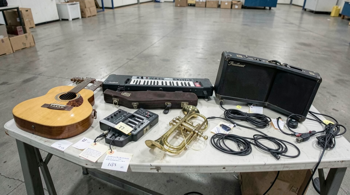
Musical instruments may appear within miscellaneous personal-property auctions rather than in dedicated music catalogs. Possible lots include guitars, keyboards, brass instruments, woodwinds, string instruments, amplifiers, microphones, and accessories, but availability is not guaranteed. Police auctions can attract attention because items sometimes change hands for substantially less than their original retail value, while the absence of seller incentives and the presence of no-reserve rules at many auctions can increase uncertainty as well as opportunity. 13
Confirm the Auction and Its Rules
The auctioneer's terms should be treated as the controlling document. GovDeals states that property may be sold as-is and directs bidders to review the listing and applicable conditions before purchase. PropertyRoom terms address bidding, payment, shipping, pickup, returns, and item condition, while HiBid directs bidders to examine the terms of the particular auctioneer. These provisions can determine whether inspection is available, whether returns are excluded, and how quickly payment must be completed. 1 2 3
Location and seller identity also matter. A municipal auction may publish preview hours, payment instructions, and removal requirements that differ from those of a contracted online platform. Official government pages can specify registration eligibility, accepted payment methods, deadlines, and storage or removal procedures. A listing should therefore be matched to the responsible agency or named auctioneer, rather than relying on an unaffiliated page that merely uses police-related language. 4
Inspect the Instrument Systematically
Photographs and short descriptions rarely establish playability. For guitars and other string instruments, inspection should cover neck alignment, cracks, bridge condition, fret or fingerboard wear, tuning machines, loose seams, and evidence of moisture damage. For keyboards and electronic instruments, the relevant questions include power, keys, displays, outputs, pedals, batteries, and proprietary adapters. Brass and woodwinds require attention to dents, valves, pads, keys, corrosion, case odor, and missing mouthpieces or components.
- Record visible damage, missing parts, stains, corrosion, and odors.
- Check whether the listing identifies testing, cleaning, or operational status.
- Separate included accessories from items shown only for scale or display.
- Assume professional cleaning, setup, or repair may be necessary when condition is unclear.
Used-gear guidance from Reverb and Sweetwater emphasizes condition, functionality, accessories, and the total value of the equipment rather than the label alone. An instrument that appears complete may still require setup, battery replacement, replacement cables, or specialist repair. A preview session is particularly important because auction winners generally cannot rely on a later trial period, and online instrument auctions can create a legally binding commitment once a bid is accepted. 7 8 15
Verify Identity, Serial Numbers, and Provenance
Brand names and terms such as “rare,” “vintage,” or “professional” are not independent proof of value. The make, model, serial number, finish, hardware, logos, and distinctive construction details should be recorded and compared with manufacturer information and reputable used-market references. Fender provides a serial-number search tool for eligible instruments, and Gibson maintains serial-number support resources. Inconsistencies between the number, body features, and catalog description should lead to a more conservative valuation. 9 10
Police or government association does not automatically establish authenticity, completeness, or a clean history. Serial numbers may be absent, obscured, altered, or simply omitted from the listing, and provenance may be limited to the agency's disposal documentation. Buyers should not attempt to remove altered markings or treat an unclear ownership history as evidence of legitimacy. The relevant question is whether the auction documentation supports lawful transfer and whether the instrument can be independently identified after purchase.
Calculate an All-In Maximum
A disciplined bid limit should be based on the complete cost, not the displayed bid. The calculation may include the winning bid, buyer's premium, sales tax, shipping, packing, case replacement, instrument setup, cleaning, batteries, cables, and repairs. If the auction does not provide a tested condition report, the repair allowance should reflect the most plausible unresolved problems, not an optimistic assumption. Used-gear resources recommend comparing condition and market value before committing to an auction purchase. 11
| Cost element | Question to resolve |
|---|---|
| Auction price | What is the firm maximum before bidding begins? |
| Fees and tax | What percentage or fixed charges apply? |
| Transport | Can the instrument be collected, or is shipping required? |
| Condition work | What cleaning, setup, parts, or specialist repairs are plausible? |
The resulting figure should be compared with inspected used instruments from established dealers and documented private-market listings. A low displayed bid can become uneconomic after fees and maintenance, while a damaged or incomplete instrument may have limited resale or performance value. Auction excitement can distort judgment, so writing the maximum all-in figure before the sale and refusing to exceed it is a central risk-control measure.
Bid, Pay, and Remove With Care
Online auction fraud guidance from the Federal Trade Commission and the FBI's Internet Crime Complaint Center supports using only the platform's specified payment and communication channels. Off-platform payment requests, pressure to bypass the auction system, misrepresented merchandise, and vague seller identity are warning signs. The Better Business Bureau similarly recommends researching sellers, checking reviews, and using safer payment practices. These safeguards apply even when a listing uses government or police imagery. 5 6 12
After a winning bid, payment and removal deadlines become practical obligations. Storage periods may be short, and missed collection can produce storage charges, forfeiture, or resale under the auction terms. Shipping an instrument also creates risks involving inadequate packing, insurance, oversized cases, and damage claims. The final decision should account for time, transport, documentation, and maintenance, not simply the identity of the instrument or the amount visible during bidding. 2 16
Sources
- GovDeals, Buyer Terms
- PropertyRoom, Auction Terms
- HiBid, Terms of Use
- New York City Department of Finance, Vehicle Auctions
- Federal Trade Commission, Avoid Scams
- FBI Internet Crime Complaint Center, Online Auction Fraud
- Reverb, How to Buy Used Gear
- Sweetwater, Buying Used Gear
- Fender, Serial Number Search
- Gibson, Serial Number Support
- Guitar Center, Used Gear Resources
- Better Business Bureau, Scam Prevention
- Go2Tutors, Things Sold at Police Auctions for a Fraction of Original Value
- Government Auctions Blog, Police Auctions: How to Buy Without Guesswork
- Strings Magazine, Online Instrument Auction Tips for First-Time Bidders
- Strings Magazine, How to Buy a Stringed Instrument at Auction
Authored by MyTrendSpot team