Understand lymphoma treatment options: A clinical analysis of therapeutic strategies and management protocols
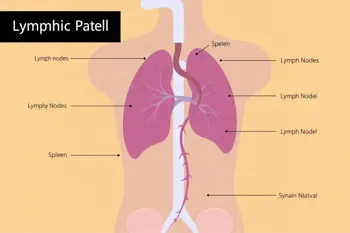
Understanding lymphoma treatment options requires a foundational knowledge of the lymphatic system, as this type of cancer originates within white blood cells known as lymphocytes 1. Because there are more than 70 distinct subtypes of lymphoma, medical management is highly individualized based on the specific pathology, stage, and clinical presentation of the disease 1, 3. Accurate diagnosis is the critical first step in determining whether a patient requires immediate systemic intervention or if the disease can be managed through less aggressive monitoring strategies 2, 10.
Foundational Distinctions in Lymphoma Classification
The primary division in lymphoma care is between Hodgkin lymphoma and non-Hodgkin lymphoma (NHL). Hodgkin lymphoma is clinically defined by the presence of Reed-Sternberg cells, whereas NHL encompasses a vast array of other subtypes 1, 5. This distinction is paramount because these conditions behave differently and demand distinct therapeutic regimens 4, 5. For example, while some indolent B-cell lymphomas may grow slowly, other aggressive forms like diffuse large B-cell lymphoma (DLBCL) require rapid, curative-intent protocols to prevent disease progression 3, 10.
Diagnostic accuracy is supported by surgical biopsy, which allows for thorough histopathological evaluation, including molecular studies and immunohistochemistry 2. Determining the stage and biological markers of the malignancy allows hematologist-oncologists to stratify patients based on risk factors and overall fitness 2, 9. Modern guidelines emphasize that treatment should never be a one-size-fits-all approach; rather, it is dictated by the specific subtype of malignancy, tumor burden, and the patient's individual clinical profile 9, 10.
Active Surveillance Protocols
In cases of slow-growing, or indolent, lymphomas, medical professionals may recommend active surveillance, often referred to as watchful waiting 3, 5. This approach is predicated on the clinical observation that immediate treatment may not improve long-term outcomes in asymptomatic patients 3. During this period, the patient remains under regular observation through clinical appointments, blood work, and periodic imaging to ensure that any change in disease activity is detected promptly 3.
The decision to transition from observation to active therapy typically occurs if the patient develops symptomatic disease, shows signs of organ impairment, or experiences significant progression 3. This management strategy reflects a personalized approach to oncology, focusing on maintaining the patient's quality of life while postponing toxicities associated with aggressive therapies until they become clinically necessary 9.
Systemic Chemotherapy and Immunotherapy
Chemotherapy serves as a cornerstone for systemic lymphoma treatment, utilizing drugs designed to halt the rapid division of cancer cells 7. Because lymphoma is often systemic in nature, these drugs are administered to circulate throughout the bloodstream, reaching malignant cells across multiple sites in the body 7. Frequently, patients are treated with combination chemotherapy, which integrates multiple medications to increase the overall efficacy of the regimen while managing side effects 7.
Immunotherapy represents a more specialized therapeutic class, functioning by leveraging the body's immune system to identify and neutralize malignant cells 6, 9. This includes monoclonal antibodies and immune checkpoint inhibitors (ICIs) that have been refined in recent years to provide more targeted action compared to traditional cytotoxic drugs 6, 8. Integration of these agents into standard-of-care protocols has expanded the therapeutic landscape, providing new avenues for managing both aggressive and relapsed cases 8.
Advanced Cellular and Targeted Therapies
Cellular therapies, such as Chimeric Antigen Receptor (CAR) T-cell therapy, have introduced a highly personalized dimension to lymphoma treatment 6. This process involves collecting a patient's own T-cells, genetically modifying them in a laboratory setting to express receptors that recognize specific cancer antigens, and infusing them back into the patient 6. Once reintroduced, these engineered cells are designed to seek out and destroy malignant cells throughout the lymphatic system 6.
Beyond cellular therapy, clinicians also employ targeted small-molecule inhibitors, such as BTK inhibitors, which block specific proteins that cancer cells rely on for survival and proliferation 9. The selection of these advanced treatments is often based on the patient's prior treatment history and the molecular profile of the malignancy 2, 9. Because these therapies can have distinct toxicities, such as immune-related adverse events, they are administered under specialized clinical oversight to ensure patient safety and optimal therapeutic response 8.
Radiation Therapy and Clinical Trial Integration
Radiation therapy is primarily used to address localized lymphoma, delivering focused energy to specific areas of involvement, such as enlarged lymph nodes 9. While systemic therapies like chemotherapy and immunotherapy manage the disease throughout the body, radiation offers a precision-based option to reduce tumor burden in specific regions 9. The application of radiation is carefully planned to minimize damage to surrounding healthy tissue while effectively addressing the localized malignancy 9.
For many patients, clinical trials provide access to the latest investigative therapies, including novel combinations of bispecific antibodies and fusion proteins 2, 8. Guidelines strongly suggest that clinicians consider patients for clinical trials whenever appropriate to ensure they have access to the most recent advancements in the field 2. These trials are vital for overcoming treatment resistance and establishing the next generation of curative or disease-controlling protocols 8.
Sources
- Lymphoma Research Foundation - Lymphoma FAQs
- Medscape - ESMO 2025 Guideline Summary
- Acibadem Hospitals Group - Lymphoma Treatment Options
- Penn Medicine - Lymphoma Symptoms and Causes
- Memorial Health System - Lymphoma Health Library
- Lymphoma Research Foundation - Immunotherapy and Targeted Therapies Fact Sheet
- Lymphoma Research Foundation - Chemotherapy Fact Sheet
- Medscape - SITC 2025 Guideline Summary
- Pharmacology Mentor - Pharmacotherapy of Lymphoma
- Lymphoma Research Foundation - Cellular Therapy Guide
Authored by MyTrendSpot team