Top rated smartphones under $300: An Evidence-Based 2026 Review
The phrase “Top rated smartphones under $300” now covers a wider range of capabilities than it did several years ago. Current models in this category can include 5G connectivity, 120Hz displays, optical image stabilization, large batteries, expandable storage, and multi-year software support, although no single device leads every category. Prices referenced here concern US unlocked or official refurbished phones before tax, and market pricing can change by retailer and configuration. 1
What the Under-$300 Category Includes
A phone priced below $300 may be positioned as an entry-level model, a discounted previous-generation device, or an officially refurbished mid-range handset. That distinction matters because last year’s mid-range hardware can provide features such as optical image stabilization and higher-resolution displays that are uncommon on new entry-level phones. Refurbished marketplaces are therefore part of the broader value picture, but condition, warranty coverage, battery health, and return terms must be assessed separately. 2
The strongest choices generally divide into different priorities rather than one universal ranking. Samsung emphasizes display quality and long support, Motorola focuses on battery capacity and physical durability, while Xiaomi and related brands emphasize camera resolution, fast charging, and display specifications. Carrier-funded offers require separate scrutiny because the apparent phone cost may depend on a qualifying service plan, trade-in, or extended bill credits. 3
Samsung Galaxy A26 5G: Long-Term Balance
The Samsung Galaxy A26 5G is identified as an all-round option at a $299.99 starting price. Its 6.7-inch Full HD+ Super AMOLED display supports refresh rates up to 120Hz, which can produce smoother scrolling and stronger contrast than the 720p LCD panels frequently used in lower-cost phones. The 50MP primary camera includes optical image stabilization, a hardware feature that can reduce handheld blur in photographs and video. 1
Samsung’s longer support commitment is a major part of the model’s ownership profile. The cited specifications include six generations of Android and One UI upgrades, six years of security updates, 128GB of storage, a 5,000mAh battery, and IP67 dust and water resistance. Its performance is described as appropriate for messaging, streaming, navigation, social platforms, and casual games, rather than demanding three-dimensional gaming. 1
Motorola Moto G Power: Endurance and Protection
The Moto G Power 2026 is designed around endurance and resistance to everyday damage. Its reported hardware includes a 5,200mAh battery, 30W charging, a 6.8-inch Full HD+ display with a 120Hz refresh rate, 8GB of physical RAM, 128GB of expandable storage, and a stabilized 50MP camera. These specifications address common practical concerns, particularly extended daily use and the need for additional storage. 1
Earlier Moto G Power models show how Motorola’s formula differs from Samsung’s. The Moto G Power 2025 is described with IP68 and IP69 protection, MIL-STD-810H durability, wireless charging, stereo speakers, near-stock Android 15, and a 5,000mAh battery. Motorola’s software-support period is shorter than Samsung’s, so the physical feature set may be more compelling for short or medium ownership than for buyers prioritizing the longest security lifespan. 3
Camera and Display-Focused Alternatives
The Xiaomi Redmi Note 14 Pro 5G represents a specifications-focused approach to this category. Reported features include a 200MP main camera, a 3,000-nit AMOLED display, Gorilla Glass Victus 2, 45W charging, and IP68 water resistance. Those figures make the device notable for screen brightness, charging speed, and camera resolution, although headline megapixel counts do not alone determine image quality in different lighting conditions. 3
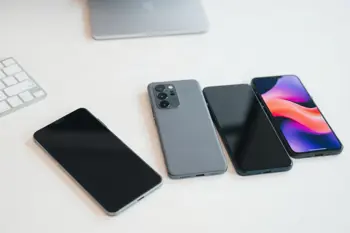
Other alternatives occupy narrower roles. The Google Pixel 7a is frequently identified for strong camera performance and a clean software experience when its market price falls below $300, while the OnePlus Nord N30 5G is associated with 50W charging. The Motorola Moto G 2025 is characterized as a practical 5G phone when found around $170 or less, but its 6.7-inch LCD has a 1604 by 720 resolution and its cameras and demanding multitasking performance are more limited. 4
How the Main Specifications Affect Use
Display resolution and panel type have a visible effect on reading, video, and general navigation. A Full HD+ AMOLED panel, such as the one reported for the Galaxy A26 5G, provides a different viewing experience from a 720p LCD even when both screens use a 120Hz refresh rate. Processor generation also matters: Snapdragon 6 Gen 3 and MediaTek Dimensity 7300 platforms are described as suitable for routine tasks, while entry-level chips such as the Dimensity 6100+ and Snapdragon 695 are generally aimed at everyday use rather than high-end gaming. 2
Memory and storage determine how comfortably a phone handles several applications. Most devices in this price range use 4GB to 8GB of RAM, which can limit multitasking compared with flagship phones. UFS 2.2 storage is increasingly common and is faster than older eMMC storage, while microSD support remains useful for media and documents. Battery capacity alone is not a complete endurance measure because screen brightness, cellular reception, processor efficiency, and application behavior all influence runtime. 2
Ownership Risks and Maintenance Realities
Software support should be treated as a security and ownership issue, not merely a feature comparison. Research cited for the category describes Samsung’s newer A-series support commitment as extending to six years, while Motorola Moto G models typically have a shorter update window. The Galaxy A16 5G, for example, is reported to receive six major software updates, but its 4GB of RAM and Exynos 1330 processor indicate that long support does not automatically mean flagship-level performance. 5
Water-resistance labels also require careful interpretation. IP52 or similar protection is becoming more common, but full submersion protection remains less widespread, and a rating does not eliminate risks from impact, port damage, or liquid exposure outside tested conditions. Carrier compatibility must be verified for unlocked models, while carrier-financed phone offers can impose plan, trade-in, or bill-credit conditions. Refurbished units introduce additional checks involving seller grading, warranty terms, replacement parts, and battery condition. 1
How to Interpret a Top-Rated Ranking
A practical ranking should match the phone’s strengths to the user’s actual priorities. The Galaxy A26 5G has the most balanced profile for display quality, stabilization, durability, and support. The Moto G Power models concentrate on battery life and ruggedness. The Redmi Note 14 Pro 5G prioritizes camera and display hardware, while the Pixel 7a can be relevant when camera quality outweighs battery capacity or screen size. These are distinct use cases rather than interchangeable winners. 3
For routine communication, navigation, streaming, and social applications, current sub-$300 phones can provide adequate performance without premium hardware. The compromises become clearer with demanding games, extensive multitasking, low-light photography, update longevity, and uncertain carrier conditions. A sound evaluation therefore considers the complete ownership profile: processor, RAM, storage type, display, battery, camera stabilization, durability rating, software policy, warranty, network compatibility, and the conditions attached to the listed price. 6
Sources
- TechActive, “Best Budget Smartphones Under $300 in 2026”
- Urban Tech Daily, “Best Budget Smartphones Under $300 to Buy in 2026”
- Gagadget, “5 Best Budget Phones Under $300 in 2026”
- TechBloat, “Motorola Moto G 2025: Specs, Price, Release Date and 2026 Buying Advice”
- Android Police, “You can now snag the Samsung Galaxy A16 5G for just $1”
- TechIgears, “Best Budget Android Phone 2026: Samsung vs. Moto Guide”
Authored by MyTrendSpot team