Ways to manage high uric acid through diet: A clinical perspective on dietary adjustments and metabolic health
Understanding the link between dietary choices and uric acid levels is an essential component of long-term health management for those prone to gout. Gout, a common form of inflammatory arthritis, occurs when monosodium urate crystals accumulate in joints, causing significant pain and inflammation 2, 3. These crystals originate from uric acid, a metabolic byproduct generated when the body breaks down purines-compounds present in both human cells and various dietary sources 2, 7. While medications are frequently required for effective control, dietary modifications serve as a foundational, non-pharmacological support strategy for maintaining homeostasis 5, 8.
The Physiological Role of Purines and Uric Acid
Uric acid is typically processed by the kidneys and excreted through urine; however, when the body produces excessive amounts or the kidneys fail to filter it effectively, levels rise in the blood 2, 9. This physiological imbalance can lead to the formation of crystals in tendons, soft tissues, and joints, particularly the big toe 3. Beyond joint pain, persistent elevation of uric acid may contribute to the development of hard, nodular deposits under the skin known as tophi, as well as the potential for kidney stone formation 3, 9.
Targeting High-Purine Foods and Beverages
Managing uric acid through diet often involves limiting specific categories of food that are known to significantly elevate internal production. Organ meats-including liver, kidneys, and sweetbreads-are among the most significant contributors to purine intake 8, 9. Additionally, large portions of red meat and certain seafood, such as anchovies, sardines, mackerel, and scallops, are frequently cited by medical professionals as triggers for gout flares 7, 8, 9. Limiting these items is a common recommendation for individuals seeking to reduce the frequency of symptomatic episodes 5, 9.
Beverage choices are equally critical, with alcohol and sugar-sweetened drinks posing the greatest risks. Beer is notably linked to higher uric acid levels, with studies indicating that even non-alcoholic beer can elevate these levels by approximately 4.4%, while alcoholic versions raise them by 6.5% 1. Liquor also impacts the body by slowing the excretion of uric acid in the urine 1. Furthermore, drinks high in fructose or corn syrup have been scientifically associated with increased serum urate levels, making them primary targets for exclusion in a controlled diet 6, 7, 8.
Nutritional Strategies for Uric Acid Control
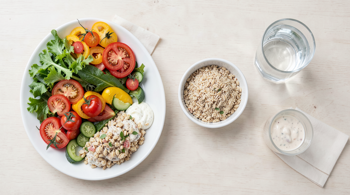
Adopting a balanced, plant-forward eating pattern appears to be the most effective strategy for long-term management. Diets that mirror the Mediterranean style, emphasizing whole grains, fruits, and vegetables, are generally associated with better health outcomes and lower gout risk 2. Interestingly, while plant-based foods such as certain vegetables do contain purines, they do not seem to trigger gout flares in the same manner as meat and seafood, likely due to other protective nutrients present in these foods 6. Including eggs, nuts, and peanut butter can also provide essential protein without the high-purine burden of animal products 8.
Low-fat dairy products are frequently highlighted as beneficial additions to a gout-friendly diet. Research indicates that the consumption of low-fat milk and yogurt may assist in lowering uric acid levels by promoting its excretion through the kidneys 1, 8. Furthermore, moderate coffee consumption has been observed in some studies to correlate with a reduced risk of gout, although its effectiveness in preventing recurring attacks once a patient has already experienced a bout remains subject to ongoing investigation 1.
Hydration as a Foundational Measure
Adequate fluid intake is perhaps the most accessible and essential practice for maintaining healthy uric acid concentrations. Water facilitates the flushing of excess uric acid from the system, helping to prevent the crystal accumulation that triggers pain 1, 8. General guidelines suggest consuming at least 8 glasses of non-alcoholic fluids daily, with many clinicians recommending an increase to 16 glasses during an active flare to maximize urinary output 1. Unless a patient has specific medical instructions for fluid restriction, regular hydration is a standard recommendation across clinical guidelines 8, 9.
Weight Management and Realistic Expectations
Maintaining a healthy weight is consistently linked to lower uric acid levels and improved control over gout symptoms 7, 9. The rise in global gout incidence over the past three decades is closely associated with rising obesity rates 2, 6. However, it is vital that weight loss be pursued gradually. Crash diets and rapid caloric restriction can lead to temporary increases in uric acid levels, which may paradoxically trigger a gout attack 5, 9. Sustainable, slow-paced weight reduction is the standard professional recommendation to avoid metabolic instability 9.
Integration with Medical Treatment
It is important to view dietary changes as a supplementary tool rather than a curative replacement for medical intervention. While nutrition can significantly aid in managing symptoms and reducing the frequency of flares, it does not typically replace the need for urate-lowering medications in patients with chronic or severe conditions 5, 9. Clinical management often requires a multifaceted approach, including non-steroidal anti-inflammatory drugs (NSAIDs) or allopurinol, alongside personalized dietary planning coordinated by a healthcare provider 3, 5. Patients experiencing frequent or severe flares should always seek professional medical evaluation to ensure an appropriate and effective treatment plan is in place 5.
Sources
- Arthritis Foundation: Gout Diet Dos and Don'ts
- Harvard Health Publishing: What is the Gout Diet?
- Rheumatology Advisor: Living With Gout: Dietary Modifications
- Cleveland Clinic: Gout Self-Care and Home Remedies
- Acibadem Hospitals Group: Gout Diet: Foods, Benefits, Risks, and Tips
- RheumNow: Evidence-Based Dietary Recommendations for Gout
- Arthritis Society Canada: Gout and Nutrition
- MyHealth Alberta: Diet and Gout
- Passion Health Primary Care: How to Lower Uric Acid Through Diet
Authored by MyTrendSpot team