Early signs of thyroid problems: A comprehensive clinical overview of symptoms and health implications
Understanding the Physiological Role of the Thyroid Gland
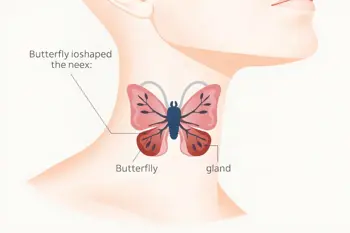
The thyroid gland is a small, butterfly-shaped organ located at the base of the neck, situated just below the Adam's apple 1. Despite its modest size, it functions as a primary regulator for numerous vital bodily processes, including metabolism, growth, and development 1. By producing hormones such as thyroxine (T4) and triiodothyronine (T3), the thyroid influences nearly every system in the body, ranging from cardiac performance and digestion to brain function and mood stability 23. When these hormone levels fall outside the optimal range, the resulting imbalances can trigger a variety of systemic health challenges 6.
Thyroid disease serves as an umbrella term for conditions where this gland fails to produce the appropriate amount of hormones 1. Data indicates that more than 12% of the United States population will develop a thyroid condition at some point during their lifetime 1. Notably, clinical awareness of these conditions remains low; as many as 60% of individuals currently living with a thyroid disorder remain unaware of their condition 13. Because symptoms are often subtle and can mimic normal signs of aging or chronic stress, early detection requires careful monitoring of persistent physical and emotional shifts 28.
Distinguishing Between Hypothyroidism and Hyperthyroidism
Thyroid disorders are generally categorized into two distinct types: hyperthyroidism, characterized by an overactive gland, and hypothyroidism, which occurs when the gland is underactive 15. Hyperthyroidism involves the excessive release of hormones into the bloodstream, effectively shifting the body's metabolism into overdrive 1. This state often results in symptoms such as unintended weight loss, rapid or irregular heartbeat, hand tremors, heat intolerance, and increased anxiety 149. Conversely, hypothyroidism occurs when the thyroid fails to produce sufficient hormone levels to support normal metabolic function 15.
Individuals experiencing an underactive thyroid may notice a decline in physical energy and cognitive sharpness 2. Clinical indicators of hypothyroidism include persistent fatigue, difficulty losing weight, cold intolerance, dry skin, brittle hair, and constipation 15. Research consistently shows that hypothyroidism is significantly more common than hyperthyroidism, particularly among women and older populations 67. In fact, women are statistically five to eight times more likely to experience thyroid dysfunction than men, with prevalence increasing for women after menopause 17.
The Subtle Nature of Early Warning Signs
Many individuals overlook the initial signs of thyroid dysfunction because they overlap with common lifestyle stressors or age-related conditions 46. Endocrinologists often describe these early symptoms as nonspecific, meaning they could potentially point to various other health issues 4. Common indicators that may surface early include persistent brain fog, irritability, and unexplained sleep disturbances 28. When these symptoms emerge alongside metabolic or digestive shifts, they may warrant a clinical assessment of thyroid hormone levels 48.
The impact of hormone imbalance is not limited to physical energy; it extends to psychological well-being and structural integrity. For example, some patients report experiencing anxiety or mood swings as an early indicator of hyperthyroidism 8. Others might notice that they feel unusually cold or hot in environments where they previously felt comfortable, reflecting the gland's role in internal temperature regulation 15. Because these signs can be so subtle at the onset, endocrinologists emphasize that recognizing a persistent pattern of these symptoms is often more important than focusing on any single, isolated event 89.
Clinical Indicators and Structural Changes
While hormonal imbalances drive many symptoms, the thyroid gland itself may occasionally undergo structural changes that provide visible or physical indicators of a problem 8. A goiter, which is a visible swelling of the neck, serves as a clinical sign that the thyroid gland is struggling or responding to inflammation 8. In addition to visible swelling, patients might experience a persistent hoarse voice or discomfort when swallowing, both of which are symptoms that necessitate a professional physical examination 8. Such physical signs are distinct from the metabolic symptoms caused solely by hormone fluctuations.
Healthcare professionals rely on a combination of patient history, physical examination, and diagnostic laboratory testing to identify thyroid disorders 89. The most standard diagnostic tool is the blood test to evaluate Thyroid-Stimulating Hormone (TSH) levels 4. Generally, an elevated TSH level is associated with an underactive thyroid (hypothyroidism), while a very low TSH level may indicate an overactive thyroid (hyperthyroidism) 4. These tests remain the most objective method for determining whether suspected symptoms are truly rooted in thyroid dysfunction or another medical condition 8.
Long-Term Health Risks of Untreated Conditions
The importance of identifying thyroid symptoms early lies in the potential for significant long-term health complications if the condition remains unmanaged 8. When left untreated, hypothyroidism and hyperthyroidism can lead to severe health challenges, including chronic heart conditions, the development of brittle bones (bone loss), and various fertility or reproductive cycle challenges 48. Given the high prevalence of these disorders and their potential to diminish quality of life, medical professionals advocate for increased public awareness and, when clinically indicated, expanded screening processes 8.
It is worth noting that for older adults, the presentation of these symptoms can differ from that of younger patients 6. Endocrinologists often find that older individuals demonstrate fewer of the classic symptoms, which can make the diagnosis process more complex in geriatric populations 6. Consequently, any new, persistent, or worsening symptom-particularly during critical life stages like pregnancy or following thyroid-related procedures-should be discussed with a qualified endocrinologist to ensure accurate interpretation of laboratory results and symptoms 89.
The Role of Medical Evaluation
Patients who suspect they may have a thyroid issue are advised against attempting self-diagnosis based solely on symptomatic checklists 9. Because many symptoms of thyroid disease are common in other ailments, the most effective path forward is an evaluation by an endocrinology specialist who can synthesize patient history with objective blood test results 89. Treatment strategies are highly individualized, depending entirely on the underlying cause of the imbalance, and may include hormone replacement therapy, medication to block excess hormone production, or, in specific cases, procedural interventions 489.
Ultimately, the transition from symptom recognition to effective care depends on identifying the broader pattern of health changes 9. Whether it involves weight fluctuations, cardiac palpitations, or persistent fatigue, these signals represent the body attempting to recalibrate its metabolic processes 89. With proper diagnosis, many of the symptoms associated with thyroid conditions are treatable, allowing patients to regain balance and improve their overall long-term wellness 46.
Sources
- Ochsner Health: What Are the Early Warning Signs of Thyroid Problems?
- The Well by Northwell: How to Know If You Have a Thyroid Problem
- NewYork-Presbyterian: What Are the Signs and Symptoms of Thyroid Disease?
- Prevention: Doctors Explain Signs You May Have a Thyroid Problem
- Stony Brook Medicine: Hypothyroidism vs. Hyperthyroidism: Key Differences Explained
- AARP: What Are the Warning Signs of a Thyroid Disorder?
- Prevention: 17 Signs of Thyroid Disease Doctors Want You to Know
- Acibadem Hospitals Group: Thyroid Symptoms: Causes, Conditions, When To See A Doctor
- National Geographic: Why thyroid trouble is so often missed-and how to spot the signs
- Acibadem Health Point: Thyroid Symptoms: Causes and Treatment
Authored by MyTrendSpot team