High-Quality Single Tooth Implants: A Fast and Accessible Solution: Clinical Evidence, Timelines, and Patient Considerations
High-quality single tooth implants are often described as a fast and accessible solution for replacing one missing tooth, but the phrase requires context. Modern imaging and carefully planned workflows can streamline treatment, while bone healing, medical history, gum health, and follow-up still determine whether a case is suitable and how long completion takes.
What a Single Tooth Implant Includes
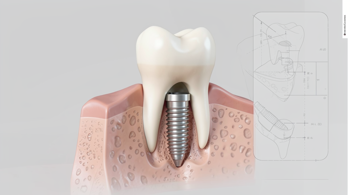
A single-tooth implant replaces the missing root with a biocompatible implant body, usually a titanium fixture positioned in the jawbone. An abutment connects that fixture to a custom crown, which is shaped and color-matched to the surrounding teeth. Together, these three parts reproduce the main structural elements of a natural tooth and provide a fixed replacement rather than a removable appliance. 1
The implant stands independently, unlike a conventional bridge that typically relies on neighboring teeth for support. This can avoid substantial reshaping of otherwise healthy adjacent teeth. The implant also provides a root-like foundation, although the visible crown and the biological connection to bone require separate stages of care. 7
How Fast Treatment Can Be
Implant placement itself may be completed during a relatively short surgical appointment, but the full process commonly extends over several months. After placement, the fixture generally needs time to join with the jawbone before the permanent crown is attached. This biological process, called osseointegration, is central to stability and cannot be removed simply by using newer equipment. 3
Some carefully selected patients may receive an implant immediately after an extraction or a temporary tooth on the same day. These approaches depend on bone volume, gum condition, infection status, bite forces, and surgical judgment. A temporary restoration does not mean that healing is complete, and continued examinations remain necessary before the final crown is fitted. 5
Assessment and Eligibility
Before treatment, clinicians assess the missing-tooth site, supporting bone, gum tissue, bite, oral hygiene, and general medical history. Three-dimensional CBCT imaging can show bone dimensions, nearby nerves, sinus anatomy, and the proposed implant position, allowing treatment to be planned around the patient’s specific anatomy rather than a standard template. 6
Suitability is not determined by the gap alone. Smoking, uncontrolled diabetes, poor oral hygiene, and certain medical conditions can delay healing or increase the risk of infection and implant failure. Where bone volume or gum support is inadequate, additional procedures may be considered, and the resulting timeline can be longer and more complex than a straightforward placement. 4
Benefits Compared With Other Replacements
A single implant can restore chewing and appearance while leaving neighboring teeth substantially untouched. A partial denture is removable and may feel less stable, while a bridge can require preparation of the teeth beside the gap. The implant approach is therefore distinctive because it replaces both the visible tooth and the root area rather than only filling the space above the gum. 7
Leaving a gap can allow nearby teeth to drift, alter bite mechanics, redistribute chewing forces, and contribute to bone shrinkage at the site. These changes develop over time and do not occur identically in every patient. The longer-term consequences of an untreated gap should therefore be evaluated alongside the clinical demands, time, and risks of implant treatment. 8
Risks, Oversight, and Practical Friction
Dental implant systems are regulated medical devices, but regulatory clearance does not guarantee that every individual procedure will succeed. Reported risks include infection, injury to nearby nerves or structures, sinus complications in the upper jaw, loosening, and failure of the fixture to integrate with bone. A comprehensive evaluation is needed to balance expected benefits against these potential complications. 2
Access can also be affected by the need for staged appointments, diagnostic imaging, temporary teeth, laboratory-made crowns, sedation, bone or gum procedures, and specialist coordination. Published clinical pages describe different treatment settings and fee structures, but quoted amounts are not directly comparable unless they specify whether imaging, extraction, abutment, crown, temporary restoration, and follow-up are included. 9
Maintenance and Long-Term Expectations
An implant is not maintenance-free. Daily brushing and cleaning between teeth are needed around the crown and gum line, together with regular professional examinations. These measures help monitor the implant, crown, surrounding tissues, and bite. Maintenance is particularly important because inflammation around an implant can affect the supporting tissues even when the artificial tooth still appears intact. 10
Long-term results depend on surgical planning, bone integration, restoration design, general health, smoking status, oral hygiene, and continuing review. Patients considering treatment should receive a written plan explaining the stages, healing interval, temporary options, possible complications, maintenance schedule, and circumstances that could change the expected timeline. This information supports a realistic understanding of what “fast” and “accessible” mean in an individual case.
Sources
- National Institute of Dental and Craniofacial Research, Dental Implants, https://www.nidcr.nih.gov/health-info/dental-implants
- U.S. Food and Drug Administration, Dental Implant Systems, https://www.fda.gov/medical-devices/dental-devices/dental-implant-systems
- Mayo Clinic, Dental Implant Surgery, https://www.mayoclinic.org/tests-procedures/dental-implant-surgery/about/pac-20384622
- Cleveland Clinic, Dental Implants, https://my.clevelandclinic.org/health/treatments/10903-dental-implants
- National Health Service, Dental Implants, https://www.nhs.uk/conditions/dental-treatments/dental-implants/
- American Academy of Periodontology, Dental Implants, https://www.perio.org/consumer/dental-implants/
- American College of Prosthodontists, Dental Implants, https://www.prosthodontics.org/about-prosthodontics/dental-implants/
- American Association of Endodontists, Dental Implants, https://www.aae.org/patients/dental-implants/
- MedlinePlus, Dental Implants, https://medlineplus.gov/ency/article/007631.htm
- Colgate Oral Care, Dental Implants: What You Need to Know, https://www.colgate.com/en-us/oral-health/implantology/dental-implants-what-you-need-to-know
Authored by MyTrendSpot team