Early symptoms of sleep apnea: Clinical signs and practical guidance
Early symptoms of sleep apnea are often subtle and may be mistaken for stress, aging, or an unusually demanding schedule. Loud snoring, daytime tiredness, morning headaches, dry mouth, interrupted sleep, and witnessed pauses in breathing are among the signs identified by clinical sources. 1
How early symptoms commonly appear
Sleep apnea involves repeated pauses or interruptions in breathing during sleep. Obstructive sleep apnea occurs when relaxed throat tissues narrow or block airflow, while central sleep apnea occurs when the brain does not send the correct signals to the muscles responsible for breathing. Symptoms can overlap, so the early pattern alone cannot establish which type is present. 1
The first noticeable change may be daytime sleepiness despite spending what seems like a normal amount of time in bed. Repeated breathing interruptions can fragment sleep without producing a clear memory of waking. NHS inform identifies excessive daytime sleepiness, loud snoring, noisy breathing, and repeated gasping or snorting as important signs of obstructive sleep apnea. 2
Nighttime warning signs
Loud, persistent snoring is one of the most recognizable early symptoms, but its pattern matters. In obstructive sleep apnea, heavy snoring may be interrupted by a silent period when breathing stops, followed by a snort, gasp, or choking sound as airflow resumes. A bed partner, friend, or relative may notice this sequence before the affected person does. 3
Frequent nighttime awakenings can also indicate disrupted breathing, particularly when they occur with gasping, labored breathing, or a sensation of choking. Some people experience restless sleep without knowing why, because the arousals may be brief. NHS inform also lists night sweats and repeated nighttime urination as symptoms that some people with obstructive sleep apnea experience. 2
- Loud or increasingly heavy snoring
- Breathing pauses observed by another person
- Gasping, snorting, or choking during sleep
- Noisy or labored breathing
Morning physical clues
Morning headache is a reported symptom of both obstructive and central sleep apnea. Waking with a dry mouth is another recognized sign, often associated with mouth breathing during sleep. These symptoms are not specific to sleep apnea, but their recurrence alongside snoring, fatigue, or witnessed breathing pauses strengthens the reason to discuss sleep quality with a health care provider. 1
A sore or dry throat on waking may occur when breathing is redirected through the mouth during periods of nasal or throat obstruction. Morning symptoms can be easy to overlook because they may improve after getting up, drinking fluids, or becoming active. The more useful clinical detail is whether they recur regularly and appear with other nighttime or daytime changes. 5
Daytime effects on alertness and mood
Excessive daytime sleepiness, sometimes called hypersomnia, is a central daytime symptom. People may feel tired after a full night in bed, struggle to remain alert, or become more vulnerable to unintentional dozing. Harvard Health reports that disrupted sleep can reduce daytime alertness, and untreated sleep apnea has been associated with a substantially higher likelihood of motor vehicle accidents. 5
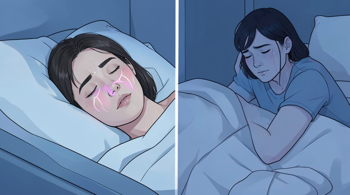
Difficulty paying attention, reduced concentration, irritability, and mood changes may also emerge as sleep becomes repeatedly fragmented. Mayo Clinic lists difficulty paying attention while awake and irritability among common symptoms. These effects can resemble ordinary sleep deprivation, which is one reason early sleep apnea may remain unrecognized without observations from a bed partner or a formal sleep assessment. 1
Why snoring alone does not settle the question
Snoring is common, but not everyone who snores has sleep apnea. Conversely, a person can have obstructive sleep apnea without loud or noticeable snoring. Cleveland Clinic notes that some people do not snore or have only light, intermittent snoring, while UT Physicians emphasizes that fatigue can occur even when snoring is absent. Quiet sleep therefore does not reliably exclude a breathing disorder. 7
Risk interpretation depends on the complete symptom pattern rather than one isolated complaint. A combination such as persistent fatigue, morning headache, dry mouth, insomnia, or witnessed pauses deserves more attention than occasional snoring by itself. Sleep apnea may also be associated with high blood pressure and longer-term cardiovascular concerns, making persistent symptoms medically relevant even when nighttime events are not remembered. 5
When symptoms warrant medical evaluation
A health care evaluation is appropriate when loud snoring is persistent, another person observes breathing pauses, or daytime sleepiness interferes with attention and normal activities. Mayo Clinic advises people who suspect sleep apnea to consult a health care provider because treatment can ease symptoms and may help prevent complications. A sleep study is required to determine whether apnea is present and to characterize the disorder. 1
Evaluation commonly begins with a review of nighttime observations, morning symptoms, daytime alertness, and relevant medical history. The Sleep Foundation states that a sleep study conducted in a clinic or at home is the only way to know for sure whether snoring is linked to sleep apnea. Because symptoms overlap with other conditions, self-diagnosis based on snoring, fatigue, or headache alone is unreliable. 4
Early recognition is valuable because repeated breathing interruptions can affect sleep quality, alertness, and health over time. The most informative pattern is usually a cluster of signs: loud or irregular breathing, observed pauses, gasping, unrefreshing sleep, morning discomfort, and daytime concentration or mood changes. Recording these observations for discussion with a clinician can help clarify whether formal testing is appropriate. 2
Sources
- Mayo Clinic, Sleep apnea: Symptoms and causes, https://www.mayoclinic.org/diseases-conditions/sleep-apnea/symptoms-causes/syc-20377631
- NHS inform, Obstructive sleep apnoea, https://www.nhsinform.scot/illnesses-and-conditions/lungs-and-airways/obstructive-sleep-apnoea/
- Penn Medicine, Obstructive sleep apnea in adults, https://www.pennmedicine.org/conditions/obstructive-sleep-apnea-adults
- Sleep Foundation, Does Snoring Mean Sleep Apnea?, https://www.sleepfoundation.org/sleep-apnea/is-it-snoring-or-sleep-apnea
- Harvard Health, Sleep Apnea, https://www.health.harvard.edu/sleep/sleep-apnea-a-to-z
- UT Physicians, Sleep apnea signs you should not ignore, https://www.utphysicians.com/how-sleep-apnea-affects-your-heart-brain/
- Cleveland Clinic, Sleep Apnea Without Snoring, https://health.clevelandclinic.org/can-you-have-sleep-apnea-without-snoring
Authored by MyTrendSpot team