Cruises during Christmas to the Caribbean: Industry Insights and Seasonal Travel Trends
The Dynamics of Caribbean Holiday Cruising
The Caribbean remains a primary destination for travelers seeking to exchange winter climates for tropical environments during the December holiday season 9. Cruises during Christmas to the Caribbean represent a peak travel period, characterized by high demand and significant operational complexity for cruise lines 5. Because these sailings occur during a high-traffic window, they are often subject to premium market pricing and limited inventory, with industry experts frequently advising travelers to finalize arrangements six to twelve months before the departure date 6. Understanding the structural nuances of these voyages is essential for those analyzing the seasonal travel sector.
Major departure hubs for these Caribbean itineraries include Miami, Fort Lauderdale, and Port Canaveral, which act as the primary gateways for the majority of North American cruise traffic 1, 6. Beyond these Florida ports, international departures from Bridgetown, Barbados, or San Juan, Puerto Rico, are common for lines focusing on deeper exploration of the Southern and Eastern Caribbean islands 2, 4, 5. These diverse departure points allow for varying itinerary lengths, ranging from short four-night excursions to extended voyages exceeding two weeks, catering to a wide spectrum of travel preferences and durations 4, 7.
Onboard Festive Programming and Amenities
Cruise lines typically implement comprehensive holiday-themed programming across their fleets to maintain a festive atmosphere for guests. This onboard experience often includes traditional Christmas feasts, tree lighting ceremonies, and dedicated performances that distinguish the December sailings from standard itineraries 3, 4. Many lines, including Royal Caribbean and Carnival, emphasize creating a seamless holiday environment by handling all decorative and culinary logistics, thereby removing the maintenance burden from passengers 8. The operational scope of these events is significant, often involving specialized menus, themed cocktails, and interactive activities such as gingerbread house decorating 2, 4.
For adult-focused segments, certain cruise lines like Oceania or Virgin Voyages offer distinct, curated experiences that prioritize sophistication or specific age-group environments 3, 4. These voyages may include features such as upgraded beverage packages, inclusive shore excursions, or pre-cruise hotel stays, which are often bundled to streamline the passenger experience 3. Regardless of the target demographic, the consistent industry standard is the focus on providing a holiday-integrated atmosphere, from cabin decor to specialized entertainment programs designed to facilitate group social interaction throughout the festive week 3, 8.
Environmental and Climatic Considerations
December is widely recognized by industry analysts as an optimal period for Caribbean travel due to consistent climatic conditions 7. Temperatures in the region during this time typically fluctuate between 75 degrees and 85 degrees Fahrenheit, providing a stable, warm environment for marine and shore-based activities 7. This weather consistency acts as a primary draw for the region during the Northern Hemisphere’s winter months, attracting significant tourist volume to islands such as St. Thomas, St. Maarten, and various private destinations owned by cruise lines 1, 7.
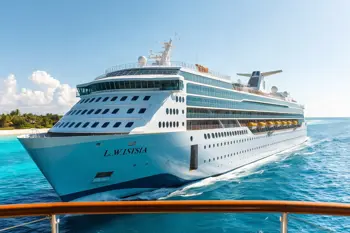
The geographical reach of these cruises is vast, with common itineraries covering destinations like St. Kitts, Dominica, and Grenada. The ability for vessels to dock in these varied ports allows for a blend of exploration and rest, with sea days scheduled to balance the intensity of daily island excursions 5, 7, 8. While the weather is generally favorable, the peak holiday timing means that popular ports can experience high density, requiring careful planning by cruise operators to manage crowd distribution and port-day logistics effectively 5.
Market Segmentation in Holiday Sailings
The variety of vessel sizes and service models available in the Caribbean market ensures that travelers have access to different types of seafaring experiences. For instance, the Club Med 2, a large sailing yacht, represents a niche segment that emphasizes nautical tradition and well-being through yoga and fitness programs rather than the entertainment-heavy models used by larger, mass-market lines 1. This highlights the breadth of the market, where options range from high-density, amenity-rich ships to smaller, more intimate sailing vessels, all operating within the same seasonal timeframe.
The following table provides a high-level summary of common cruise operational data points encountered in the December Caribbean market:
| Feature | Market Expectation |
|---|---|
| Primary Departure Ports | Miami, Fort Lauderdale, Bridgetown, San Juan |
| Average Temp Range | 75°F to 85°F |
| Typical Itinerary Length | 4 to 17 Nights |
| Booking Lead Time | 6 to 12 Months |
| Holiday Add-ons | Themed Dining, Tree Lighting, Santa Appearances |
Regulatory and Travel Planning Realities
Traveling during the peak holiday season necessitates an understanding of logistical frictions that are not present during off-peak times. High occupancy rates mean that competition for specific cabin categories and high-demand itineraries is intense, often resulting in higher price points compared to sailings in early December or late January 5. Furthermore, the inclusion of flights and pre-cruise hotel stays within holiday packages can complicate the booking process, requiring careful coordination between cruise operators and logistics providers 3.
Travelers are generally advised to review their travel insurance options, as the high cost of holiday cruises and the potential for seasonal travel disruptions can increase the necessity of comprehensive coverage 6. While cruise lines provide extensive onboard support, the external travel environment remains subject to broader global transportation patterns. Maintaining clear communication with reservation departments and monitoring official port and line-specific updates are standard procedures for those navigating the complexities of high-season maritime travel.
Summary of Industry Trends
The Caribbean holiday cruise sector continues to evolve, with an increasing focus on thematic programming that appeals to diverse age groups, from family-centric activities to adults-only retreats. As the industry moves toward more customized experiences, the reliance on advanced booking metrics and data-driven inventory management has become more pronounced 4. The sector remains a vital part of the regional tourism economy, with the holiday period representing a critical junction where cruise lines, local island authorities, and global travelers intersect to sustain year-end operations 5, 9.
Sources
- Club Med: Cruises Club Med 2 Caribbean Christmas
- Global Journeys: Caribbean Christmas Cruise - Azamara
- MGA Travel: Caribbean Christmas Cruise 2026
- Virgin Voyages: Best 2026 Holiday Cruises
- World of Cruising: Christmas In The Caribbean Islands
- Travel + Leisure: Seasonal Booking Advice
- Cruise Critic: Best Times to Cruise the Caribbean
- Royal Caribbean: Holiday Cruises Guide
- U.S. News Travel: Top Winter Getaways
Authored by MyTrendSpot team