Foods to avoid for blood sugar management: A Comprehensive Scientific Review
Managing blood glucose levels requires a thorough understanding of how daily dietary choices affect insulin sensitivity and metabolic pathways. Identifying foods to avoid for blood sugar management is a critical step for individuals diagnosed with prediabetes or type 2 diabetes 1. When sugar enters the bloodstream too quickly, the pancreas reacts by producing an excess of insulin, which can lead to subsequent crashes, fatigue, and increased hunger 2. Understanding the physiological impact of specific food groups helps individuals navigate the supermarket with greater confidence and precise clinical knowledge.
The Physiological Impact of Refined Carbohydrates
Refined grains, such as white bread, bagels, and processed wheat products, represent a major challenge to glycemic stability. These foods have had their beneficial dietary fiber, vitamins, and minerals stripped away during the milling process, leaving behind fast-absorbing starches 3. White bread has a high glycemic index of approximately 70, meaning it behaves similarly to pure table sugar once digested 4. Consuming two slices of white bread can raise blood glucose levels as significantly as six teaspoons of sugar 5.
Without fiber to slow the digestive process, the body rapidly converts these refined starches into glucose, forcing a swift response from the pancreas 6. Over time, these recurring postprandial glucose excursions exhaust the beta cells in the pancreas, accelerating the progression of insulin resistance 7. Replacing refined grains with complex carbohydrates like whole-grain sourdough, which features a lower glycemic index of 48 due to the organic acids produced during fermentation, helps slow down gastric emptying and stabilizes glycemic responses 5.
Liquid Sugars and Glycemic Volatility
Sugar-sweetened beverages represent the single most substantial driver of rapid blood sugar spikes in the modern diet 8. This category includes commercial sodas, sweetened iced teas, energy drinks, and flavored coffee beverages 9. Liquid sugars require virtually no active digestion, meaning they bypass standard metabolic barriers and enter the bloodstream almost immediately 2. A single 12-ounce can of standard cola contains roughly 39 grams of sugar, which exceeds the daily limit recommended for adults managing metabolic disorders 8.
Research conducted by the Harvard T.H. Chan School of Public Health indicates that consuming one to two sugar-sweetened beverages daily correlates with a 26% higher risk of developing type 2 diabetes 10. Furthermore, eliminating these sugary beverages is the most effective single lifestyle intervention, often reducing hemoglobin A1C levels by 0.5% to 1.0% within a three-month period 8. Transitioning to unsweetened alternatives, such as sparkling water, plain black coffee, or herbal teas, preserves hydration without destabilizing metabolic parameters 10.
Hidden Sugars in Presumed Healthy Options
Many foods marketed as health-promoting products contain substantial quantities of added sugars that are easily overlooked. Packaged fruit juices, even when labeled as 100% natural, concentrate the sugar content of several fruits while removing the physical fiber matrix that naturally regulates fructose absorption 11. The ingestion of fruit juice is linked to a 21% increase in type 2 diabetes risk when consumed daily 5. Similarly, commercial flavored yogurts, granola bars, and instant oatmeal varieties are often loaded with sweet syrups to enhance flavor 12.
Condiments such as ketchup, commercial salad dressings, and barbecue sauces represent another hidden source of sugar that accumulates throughout the day 13. These added sugars not only compromise blood sugar control but can also interfere with the efficacy of diabetes medications like metformin 14. Reading nutritional labels closely is essential for identifying these hidden carbohydrates, allowing individuals to opt for unsweetened plain Greek yogurt or homemade dressings instead 12.
Ultra-Processed Foods and Saturated Fats
The impact of ultra-processed foods extends beyond immediate blood glucose spikes, directly affecting long-term cardiovascular health. Products containing trans fats and excessive saturated fats, such as fried fast foods, commercial pastries, and packaged chips, have no verified health benefits 15. These processed fats promote systemic inflammation and elevate low-density lipoprotein cholesterol while simultaneously decreasing high-density lipoprotein cholesterol 15. Research indicates that regular consumption of ultra-processed foods is associated with a 17% higher risk of cardiovascular events 13.
Additionally, processed meats like bacon, sausage, salami, and deli meats contain high concentrations of sodium and chemical preservatives 15. These compounds worsen insulin resistance and increase arterial stiffness 13. Incorporating lean, natural proteins such as skinless poultry, wild-caught fish, and eggs helps protect cardiovascular function while providing essential macronutrients without the metabolic friction caused by processed options 15. These natural protein choices also play an essential role in slowing overall digestion when paired with complex carbohydrates 15.
The Impact of High-Glycemic Grains and Starches
Certain complex-looking foods can also cause rapid glucose rises due to their specific chemical structure. For instance, white rice has a high glycemic index of 73, and daily consumption has been shown to increase type 2 diabetes risk by 11% per serving 5. During the refining process of white rice, the outer bran and germ layers are removed, leaving a starch core that is rapidly metabolized 5. White potatoes, especially when prepared as mashed potatoes or French fries, similarly exhibit a high glycemic load that quickly raises blood sugar levels 8.
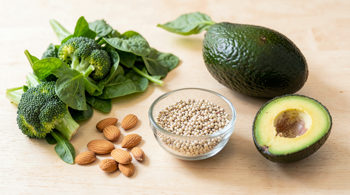
While these starches do not need to be permanently banned, managing their impact involves reducing portion sizes and replacing them with high-fiber alternatives 8. Substituting white rice with brown rice, quinoa, or cauliflower rice lowers the overall glycemic load of the meal 8. Combining starches with non-starchy vegetables like broccoli or spinach slows down the rate of carbohydrate absorption, leading to a much more stable glucose response 16.
Constructing a Sustainable and Balanced Plate
Constructing a sustainable and balanced plate is far more effective than complete carbohydrate elimination, which often backfires and leads to metabolic stress or subsequent overeating 17. Carbohydrates remain vital sources of energy, vitamins, and minerals 17. The key lies in understanding macronutrient pairings. When a carbohydrate source is consumed alongside adequate lean protein, healthy fats, and dietary fiber, the overall digestion process slows down significantly 17.
This deliberate pairing cushions the glucose entry into the bloodstream, creating a gradual, manageable curve rather than a sharp spike 17. Additionally, engaging in regular physical activity, prioritizing consistent sleep schedules, and managing chronic stress levels play critical supportive roles in improving insulin sensitivity 17. Focusing on high-quality, whole foods rather than strict, punitive deprivation ensures that blood sugar management remains a sustainable lifestyle habit over the long term 1.
Sources
- Cleveland Clinic
- AOL
- Dr. Mohan's
- Pure Well Tips
- SugarSmart AI
- OMG Healthy
- Worst Food for Prediabetes
- MealFan
- Rolling Out
- Doral Health & Wellness
- The Times of India
- Kiwi Drug
- Liv Hospital
- Nourish
- Diabetes Care Community
- Liv Hospital Prediabetes
- Yahoo Health
Authored by MyTrendSpot team