Early symptoms of kidney disease you should know: Clinical warning signs and screening context
The early symptoms of kidney disease you should know can be subtle, including fatigue, swelling, and changes in how often you urinate or how your urine looks. Chronic kidney disease often develops quietly, so symptoms alone cannot reliably identify kidney damage or show how advanced it may be.1
Why early kidney disease is difficult to recognize
Kidneys filter waste and excess fluid from the blood, help regulate blood pressure, balance minerals, support bone health, and produce hormones involved in red blood cell production. Because these functions continue in the background, a person may feel generally well while kidney damage develops. Chronic kidney disease is often identified through routine testing rather than through a dramatic symptom, particularly during its earlier stages.2
- Early disease may produce few noticeable changes.
- Symptoms can resemble stress, poor sleep, dehydration, or ordinary fatigue.
- A symptom is a warning sign, not a diagnosis.
Changes in urination and urine appearance
Changes in urination are among the most commonly reported clues. These may include urinating more often, particularly at night, or noticing a different urine appearance. Foamy urine can indicate that protein is passing into the urine, while visible blood may signal a problem involving the urinary system or kidney filters. These findings can also have causes unrelated to chronic kidney disease, so clinical testing is needed to interpret them.3
- More frequent urination or increased nighttime urination.
- Foamy or unusually bubbly urine.
- Pink, red, brown, or visibly bloody urine.
Fatigue, weakness, and sleep disruption
Persistent tiredness or low energy may occur as kidney function declines and waste products accumulate in the bloodstream. Reduced kidney function can also affect the body’s support for red blood cell production, although fatigue has many possible explanations. Difficulty sleeping has been reported among people with kidney disease, but sleep problems are not specific to kidney conditions. A continuing or unexplained change is more informative than a single poor night of sleep.4
- Ongoing fatigue that does not match recent activity or sleep.
- General weakness or reduced energy.
- Sleep difficulty occurring alongside urine changes or swelling.
Swelling and fluid-related changes
Swelling in the feet, ankles, legs, hands, or around the eyes can occur when the kidneys do not remove enough sodium and fluid. This accumulation is known as edema. Swelling is not unique to kidney disease and may also reflect other health problems, but persistent or unexplained swelling deserves medical assessment, especially when it appears with changes in urination, fatigue, or elevated blood pressure.5
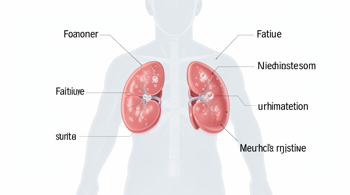
- Foot or ankle swelling that persists or returns.
- Swelling in the hands or around the eyes.
- Rapidly changing fluid-related symptoms alongside urine changes.
Itching, appetite changes, and nausea
Dry or persistently itchy skin may occur when declining kidney function affects the balance of minerals and other substances in the blood. Loss of appetite, nausea, or vomiting can develop as waste products build up, although these symptoms are more often associated with worsening kidney impairment than with the earliest silent stages. Because itching and nausea have many potential causes, they should be considered in the context of other findings and risk factors.6
- Persistent itching without an obvious skin explanation.
- Reduced appetite or an unexplained change in eating patterns.
- Nausea or vomiting accompanied by fatigue, swelling, or urine changes.
Risk factors and the tests that detect disease
Diabetes and high blood pressure are the two main causes of chronic kidney disease, while family history, older age, heart disease, and certain medicines can also increase risk. A blood test measures creatinine, which is used to calculate estimated glomerular filtration rate, or eGFR. A urine albumin-to-creatinine ratio can detect albumin leakage that may not be apparent from eGFR alone.7
- People with diabetes or high blood pressure may benefit from regular kidney testing.
- Testing commonly includes blood creatinine with eGFR.
- Urine testing can assess albumin or protein leakage.
- Persistent abnormalities, rather than one isolated result, help establish chronic disease.
How to interpret warning signs responsibly
No single symptom confirms kidney disease. Fatigue, swelling, itching, nausea, frequent urination, or foamy urine can result from several conditions, and some people with kidney disease have no symptoms at all. Kidney health is therefore assessed through medical history, blood pressure measurement, blood tests, urine tests, and, when appropriate, imaging. Persistent symptoms or risk factors provide a reason for evaluation, not a basis for self-diagnosis.8
- Record when symptoms began and whether they are continuing.
- Note changes in urine frequency, appearance, swelling, appetite, or energy.
- Discuss diabetes, high blood pressure, family history, and current medicines with a clinician.
- Interpret test results with a qualified healthcare professional.
Sources
- Stony Brook Medicine, Kidney Disease: Early Signs, Causes, Stages & Prevention
- AdventHealth, What Are the Symptoms of Kidney Disease?
- Acibadem Hospitals Group, Symptoms and Signs of Kidney Problems
- Prevention, 7 Subtle Symptoms of Kidney Disease Doctors Want You to Know
- PharmEasy, Early Signs of Kidney Disease You Should Know
- Florida Kidney Physicians, Chronic Kidney Disease: Recognizing Symptoms and Risk Factors
- Times Now, Kidney Disease Can Hide for Years
- National Kidney Foundation, 10 Signs You May Have Kidney Disease
Authored by MyTrendSpot team