Signs you may have mild hypertension: Clinical perspectives on identifying a silent condition
Signs you may have mild hypertension are rarely dramatic, as the condition is frequently asymptomatic in its early stages 1. Often referred to as the silent killer, hypertension involves a consistent elevation in the force of blood against arterial walls, potentially causing long-term damage to vital organs before a patient feels any physical distress 2. Because the body often adapts to these incremental changes, many individuals remain unaware that their blood pressure levels have surpassed the threshold for healthy circulation 7.
Defining Mild or Stage 1 Hypertension
Blood pressure is recorded as two distinct metrics: systolic pressure, which measures the force when the heart beats, and diastolic pressure, which tracks the resistance in blood vessels during the interval between heartbeats 1, 2. Clinical guidelines generally classify Stage 1 hypertension as readings between 130 and 139 mmHg for systolic pressure or 80 and 89 mmHg for diastolic pressure 5, 6. Anything below 120/80 mmHg is traditionally categorized as normal, while elevated readings exist in the range between normal and Stage 1 1.
Understanding these thresholds is vital because cardiovascular health relies on the flexibility of arteries to manage blood flow 2. When pressure remains chronically high, the arteries may undergo structural remodeling, losing their ability to cushion the heart's output 7. While individuals at this stage may feel perfectly energetic and healthy, the internal physical strain is persistent, necessitating objective measurement through a sphygmomanometer rather than relying on subjective physical sensations 4, 6.
The Phenomenon of Silent Progression
The primary clinical challenge with hypertension is that it does not typically cause acute symptoms until it reaches advanced levels or begins affecting end-organs such as the kidneys, heart, or brain 1, 4. Many individuals live for years with Stage 1 hypertension, assuming their health is stable because they lack common markers of illness 6. This absence of warning signs leads to a common misconception that if a person feels physically well, their blood pressure must be within a safe, physiological range 6.
Physicians emphasize that the absence of symptoms is not evidence of vascular health 4. Over time, untreated hypertension contributes to the thickening of the left ventricle and the stiffening of arterial walls, which increases the long-term risk of heart failure, stroke, and chronic kidney disease 7. Regular screening, beginning as early as age 18, is the most effective method to identify these changes before they progress into secondary complications that are significantly more difficult to manage 6.
Subtle Physical Clues and Indicators
While most people with mild hypertension report no symptoms, some individuals note subtle changes that could warrant further investigation. Recurring, dull morning headaches are occasionally reported, though these are non-specific and are often attributed to other causes like poor sleep or stress 7, 11. Persistent dizziness or lightheadedness, particularly when changing position suddenly, may occur when the body’s internal blood pressure regulation becomes impaired by chronic vessel resistance 8, 11.
Additional indicators that may occasionally correlate with elevated pressure include subtle vision changes, such as blurring, which can occur if the small blood vessels in the eyes are affected by sustained tension 3, 8. Some people also report increased nervousness, unexplained sweating, or an irregular heartbeat, often known as palpitations 8. It is important to note that these symptoms are not diagnostic on their own and typically occur in conjunction with other cardiovascular factors, underscoring the need for clinical validation of blood pressure numbers 3, 8.
Risk Factors and Influencing Variables
Several lifestyle and environmental factors can temporarily influence blood pressure or contribute to the development of chronic hypertension over time. Common risk factors identified by medical professionals include age, a family history of cardiovascular issues, high salt intake, and a lack of physical activity 4. Stress, pain, and the consumption of stimulants such as caffeine or nicotine can also trigger temporary spikes in blood pressure, potentially creating readings that do not reflect a person's baseline, chronic condition 3.
Healthcare providers often distinguish between temporary spikes and chronic hypertension by asking patients to track their blood pressure at different times of the day at home 6, 7. Masked hypertension, where readings appear normal in a clinical environment but elevate during daily activities like work or sleep, is a specific concern that further complicates diagnosis 6. Because of these variations, a single high reading is rarely sufficient to confirm a diagnosis; doctors generally look for consistent elevation across multiple separate observations 2, 6.
Importance of Routine Clinical Monitoring
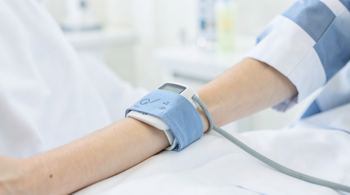
The only reliable method to identify hypertension is through accurate measurement using a calibrated device 3, 4. Because the condition is often hidden behind a veneer of wellness, experts recommend regular screenings at primary care appointments or through at-home monitoring kits 2, 4. Proper technique, including resting before measurement and ensuring the cuff is sized correctly, is essential for obtaining data that accurately represents a patient's cardiovascular state 1, 5.
Once hypertension is diagnosed, management strategies frequently involve a combination of lifestyle modifications-such as dietary adjustments and increased physical activity-and, if necessary, pharmacological interventions 4. Early detection during the Stage 1 phase allows for more flexible management options, significantly increasing the likelihood of preventing long-term damage to the kidneys and heart 5, 11. Relying on personal perception of well-being to gauge vascular health is discouraged, as the physiological damage often proceeds silently 4, 7.
When to Seek Urgent Assessment
While mild hypertension generally does not present with acute warnings, certain symptoms signify dangerously high levels or a potential hypertensive emergency. Severe or persistent headaches, acute chest pain, sudden difficulty breathing, confusion, or significant vision changes require prompt medical assessment to rule out organ damage 3, 4. These signs typically occur when blood pressure has spiked to critical levels, and they should never be ignored or dismissed as simple fatigue 3.
Maintaining awareness of one's baseline blood pressure is the most effective proactive measure against these risks. By integrating consistent monitoring into routine health management, individuals can gain a clearer understanding of their cardiovascular status regardless of how they feel physically 4, 6. If any concerning physical changes manifest, consulting with a healthcare professional remains the safest course of action to ensure that any potential hypertension is addressed appropriately and early 4.
Sources
- Harvard Health Publishing: High Blood Pressure (Hypertension)
- UC Davis Health: Blood pressure basics and management
- Acibadem Hospitals Group: Hypertension Symptoms Explained
- Acibadem Hospitals Group: High Blood Pressure Symptoms and Care
- HIIMS: Stage 1 Hypertension Symptoms
- The Indian Express: Why screening at 18 is critical
- The Times of India: Silent Signs of Hypertension
- Gardenia Pharmacy: 15 Warning Signs of High Blood Pressure
- Saint Joseph Health System: Signs and Symptoms of High Blood Pressure
- HIIMS: How to Recognize Stage 1 Hypertension Symptoms
- Verywell Health: Symptoms of High Blood Pressure
Authored by MyTrendSpot team