Social meetup groups for active adults over 55: A research-based community guide
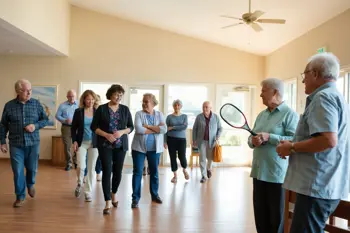
Social meetup groups for active adults over 55 can combine physical activity with conversation, cultural events, hobbies, and recurring community routines. Documented examples show that these groups operate through Meetup pages, senior centers, libraries, nonprofit organizations, university programs, and neighborhood platforms, with formats ranging from outdoor recreation to structured discussion and creative activities. 1
What types of groups exist
The category is broad rather than limited to exercise clubs. The Active 50s Plus Group in Chicago describes music, dancing, theater, exhibits, dining, coffee gatherings, movies, and seasonal outdoor activities for people aged 50 and older. Active Generations reports more than 45 clubs and special-interest groups, including painting, drawing, woodcarving, quilting, knitting, creative writing, and crafting. 1 4
- Activity-centered groups may include walking, cycling, kayaking, bowling, games, and pickleball. 2
- Interest-centered groups may focus on arts, books, gardening, photography, theater, dance, or cultural outings. 3
- Travel and learning communities can combine educational programs with social contact for adults over 50. 13 14
Where local opportunities are organized
Meetup is a central online hub for interest-based groups in cities across the United States, while AARP’s community resources connect older adults with local events and volunteer networks. Senior centers and parks departments commonly maintain calendars involving fitness classes, book clubs, walking groups, pickleball, and outings. Neighborhood services such as Nextdoor and Facebook Groups are also used for informal gatherings, including gardening, dining, hiking, and empty-nester communities. 11 12 16 20
- Community centers can provide a consistent physical meeting location.
- Libraries may host recurring social programs, games, crafts, and conversation groups.
- University-linked OLLI programs combine classes with campus-based social engagement at 124 sites. 14
- Walking directories, including The Ramblers in Britain, organize groups by postcode or location. 6
Examples of documented recurring programs
Wellness 50+ Twin Cities reports a community of more than 1,000 Meetup members and schedules monthly activities, including first-Tuesday gatherings at Washington County parks or facilities, bike rides from May through September, kayaking tours requiring no prior experience, bowling, game nights, and classes. The program states that event registration is handled through Meetup. 2
| Program | Documented format |
|---|---|
| Midday Meetups, Summerville | Weekly games, item swaps, and crafts for adults aged 55 and older; registration is not required. 5 |
| Active 50s Plus, Chicago | Concerts, dancing, theater, exhibits, dining, coffee meetings, and outdoor activities. 1 |
| Active Generations | More than 45 clubs and special-interest groups spanning creative and healthy-living activities. 4 |
Age, identity, and accessibility considerations
Eligibility varies considerably. Some programs use 50-plus language, while others specify 55 or 60 and older. LGBTQ+ focused options include 55+ and Fabulous, which meets in person or through Zoom on the third Tuesday of each month, and Stonewall Columbus Trailblazers, a program for LGBTQ+ people and allies aged 55 and older. Trailblazers programming may include social gatherings, educational talks, cultural activities, wellness programs, and facilitated discussions. 7 9
- Check the stated age range before attending.
- Ask whether the event is indoors, outdoors, virtual, or hybrid.
- Review mobility, transportation, seating, parking, and restroom information.
- Consider identity-specific settings when an affirming social environment is important.
Benefits and practical friction points
Research and reporting in the supplied sources associate social connection with emotional well-being, reduced loneliness, confidence, health, and purpose. A Madison Women 50+ report describes members meeting for wine and puzzles, while noting that older adults may face isolation related to loss of friends or family, mobility limitations, and chronic illness. The same report emphasizes that maintaining connections often requires a deliberate effort after retirement. 3 8
Participation can still involve practical friction. Outdoor activities depend on weather, transportation, equipment, and fitness expectations. Online groups require account access and digital communication, while some scheduled programs require registration. Meetup listings may be proposed by members, so event quality, attendance, and consistency can differ among groups. These conditions make it important to review the organizer, meeting details, cancellation information, and expected activity level before making plans. 1 2
Safety, verification, and ongoing maintenance
Social meetup groups are not automatically supervised or regulated in the same way as clinical, governmental, or licensed care services. A moderated community, such as the Aging Successfully model, may provide profile matching, moderated chat, event RSVPs, and guided group discovery, but moderation standards differ by organization. The supplied programs also show different administrative practices, from required Meetup registration to library events where registration is not required. 3 5
- Confirm the organizer’s name, venue, date, time, and contact method through the organization’s own page.
- For a first meeting, consider a public venue and tell a trusted person the itinerary.
- Avoid sharing financial information, passwords, or unnecessary personal records in group chats.
- Check whether transportation, equipment, admission, food, or other participation requirements apply.
- Recheck recurring schedules because dates, locations, and formats can change.
How to compare a group objectively
A useful comparison focuses on fit rather than popularity. Relevant dimensions include the age threshold, activity intensity, meeting frequency, geographic range, registration process, accessibility, cost obligations, and whether newcomers can attend without an established connection. National and specialized resources cover different needs: USA Pickleball provides a locator for pickleball communities, the Red Hat Society is designed for women over 50, Road Scholar organizes group educational travel, and Senior Planet offers online and in-person gatherings focused on technology and lifestyle. 17 18 13 19
| Question | Why it matters |
|---|---|
| How active is the event? | Walking, kayaking, cycling, dancing, and seated activities require different preparation. |
| How often does it meet? | Recurring schedules can support routine, while occasional events offer variety. |
| Who manages it? | Named organizers and clear contact information improve accountability. |
| What participation rules apply? | Age limits, registration, equipment, transportation, and accessibility affect suitability. |
Sources
- Meetup, Active 50s Plus Group, Chicago
- Vital Aging Network, Wellness 50+ Twin Cities
- Aging Successfully, Meet Your People
- Active Generations, Clubs and Activities
- What’s Up Summerville, Midday Meetups
- Lottie, Social Groups for Over 50s
- Bradbury-Sullivan LGBT Community Center, 55+ and Fabulous
- Madison Commons, Madison Women 50+ report
- Stonewall Columbus, Trailblazers
- Caring Senior Service, Cherry Hill social clubs
- Meetup
- AARP Community
- Road Scholar
- Osher Lifelong Learning Institute
- National Council on Aging
- Nextdoor
- Red Hat Society
- USA Pickleball
- Senior Planet
- Facebook Groups
Authored by MyTrendSpot team