Best supportive wraps for joint comfort: Understanding thermal and compression therapy options
Supportive wraps for joint comfort serve as essential tools in physical recovery and daily pain management, offering varying degrees of stability, compression, and thermal therapy 2. These devices are frequently utilized for addressing minor sports injuries, arthritic stiffness, and general joint discomfort across the knees, elbows, ankles, and wrists 2, 4. As non-invasive interventions, they are often integrated into broader recovery plans alongside exercise and rehabilitation 1, 4.
Understanding Compression and Stabilization
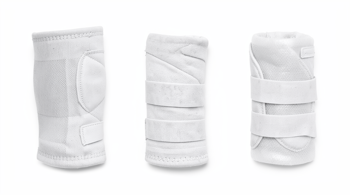
Compression wraps and sleeves are designed to provide support, stability, and compression to the soft tissues surrounding a joint 2. For mild everyday discomfort, simple compression sleeves are often preferred because they offer warmth and light support without significantly restricting movement 1. When injuries involve instability, such as after a sprain or during strenuous activity, devices with adjustable fasteners are frequently selected to provide a more secure, customized fit 2, 4. Self-adhering compression wraps provide firmer support for moderate injuries and are favored in scenarios where traditional metal clips are either cumbersome or impractical 4.
Thermal Therapy Mechanisms
Many modern joint wraps incorporate dual-therapy features, allowing for both hot and cold applications to manage inflammation and muscle soreness 2, 8. Cold therapy is typically indicated for acute injuries, reducing swelling and inflammation by minimizing tissue damage 8. Conversely, heat therapy is utilized to promote circulation, relax tight muscles, and ease chronic stiffness 8. Specialized technology, such as phase-change materials that maintain a consistent temperature, is increasingly used in wraps to provide therapeutic benefits without the risks of extreme temperatures or skin irritation 1, 3.
| Feature | Common Application | Material/Method |
|---|---|---|
| Compression Sleeve | Everyday support | Elastic/neoprene fabric |
| Gel-filled Wrap | Hot/Cold therapy | Reusable gel packs |
| Natural Grain Wrap | Moist heat/Cold | Grains/Soft fabric |
| Adjustable Brace | Structural stability | Straps/Hinges |
Guidelines for Safe Application
Effective use of a supportive wrap requires attention to fit and duration. A correctly fitted wrap should feel snug but must not cause numbness, tingling, or skin discoloration, as these are signs of restricted circulation 1, 6. Users are advised to monitor the area frequently, particularly when using compression for extended periods 6. Furthermore, wraps should be considered adjuncts to recovery rather than definitive treatments for underlying joint issues; they do not replace the need for physical rehabilitation or muscle-strengthening programs 1, 4.
Clinical Considerations for Specific Joints
Different joints require specific approaches for optimal comfort. For example, wrist or thumb discomfort often necessitates a design that limits painful motion while maintaining functionality in the fingers 1, 12. In the context of osteoarthritis-related knee pain, specialized unloader braces may be used to reduce pressure on specific compartments of the joint, though these typically require professional fitting and clinical oversight 1, 5. Relying on general-purpose supports for chronic or severe pain may delay necessary diagnostic evaluations 1.
Maintenance and Longevity of Equipment
Reusable therapy wraps, whether gel-based or grain-filled, require periodic maintenance to remain effective. Soft, fabric-based wraps should be kept clean according to manufacturer instructions, often involving gentle washing and air drying 1. For gel or grain-based systems, proper storage and handling are critical to prevent leaks or degradation of the thermal core 2, 5. Durable construction materials, such as aromatic polyether polyurethane or high-performance stretch fabrics, are standard in products engineered for repeated daily use in clinical or home environments 3, 6.
Regulatory and Accessibility Overview
Many supportive joint devices are classified as medical equipment and may be eligible for reimbursement through Health Savings Accounts (HSA) or Flexible Spending Accounts (FSA) 1, 3. Consumers often navigate a variety of purchasing options, ranging from general retail to specialized medical supply outlets 2, 5, 10. While these wraps are widely available, potential buyers should prioritize products that provide clear specifications regarding their intended use, material safety, and adjustment mechanisms to ensure the device aligns with their specific therapeutic needs 3, 4.
Sources
- Opal Cool: Cooling Therapy Wrap Information
- Vive Health: Hot and Cold Ergonomic Wrap Specifications
- Opal Cool: Roll With It Product Documentation
- Vivomed: Mueller Wonder Wrap Performance Details
- Medidepot: Drive DeVilbiss Healthcare Product Data
- Zoropie: OrthoFlex Sleeve Engineering Specifications
- Halo Healthcare: Bed Buddy Therapy Wrap Guidelines
- SupremeMed: Hot/Cold Therapy Wrap Clinical Usage
- Comfytemp: Knee Ice Pack Therapy Research
- Honest Medical: Bed Buddy At Home Comfort Wrap Data
- Mayo Clinic: Joint Support and Arthritis Care
- Johns Hopkins Medicine: Knee Brace Classification
Authored by MyTrendSpot team