Early signs of Rosacea facial redness: A clinical analysis of chronic dermatological symptoms
Recognizing the foundational symptoms of rosacea is a critical step for individuals experiencing unexplained or persistent facial complexion changes. As a chronic inflammatory disorder affecting approximately 5% of the global population, rosacea is frequently misunderstood as common acne or simple skin sensitivity 2. Understanding the clinical presentation of this condition allows for earlier intervention, which is often instrumental in mitigating long-term skin progression and discomfort 2, 4.
The Emergence of Persistent Facial Flushing
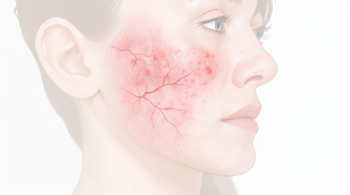
The earliest sign of rosacea is frequently a tendency to flush or blush more easily than the average person, with the skin suddenly turning warm and red 2. While these initial episodes of redness are typically transient and resolve quickly, they often signify the onset of the condition 2. Over time, this flushing behavior may transition into a more persistent state where the central regions of the face-specifically the cheeks, nose, forehead, and chin-remain red for extended periods 1, 4.
Clinical observations suggest that this redness may resemble a sunburn that fails to fade, with the intensity of the color fluctuating based on exposure to specific environmental and dietary triggers 4, 7. Common stimuli that exacerbate this flushing include intense sunlight, thermal changes, hot beverages, alcohol consumption, spicy foods, and high levels of emotional stress 6, 8. Identifying and managing these triggers remains a core component of initial diagnostic and self-care strategies for the condition 9.
Identifying Visible Vascular Changes
As rosacea progresses beyond the initial stage of frequent flushing, individuals often notice the appearance of small, visible blood vessels on the skin surface, a condition medically referred to as telangiectasia 4, 7. These vessels typically manifest as fine, spindly red or purple lines, most commonly clustering across the nose and the cheeks 2, 4. These vascular changes occur because the blood vessels near the skin’s surface become permanently dilated rather than contracting as they normally would after a flush subsides 4, 5.
These telangiectatic patterns represent a significant clinical indicator that the condition is advancing from a reactive stage to a structural one 4. While often dismissed by patients as minor capillary damage from aging or sun exposure, the persistent nature of these lines, especially in the context of concurrent central facial redness, serves as a hallmark of clinical rosacea 4, 7. Healthcare professionals typically assess these signs alongside other symptoms to differentiate rosacea from other inflammatory skin conditions 1.
Sensory Symptoms and Skin Texture
Beyond visible discoloration and vascularity, early-stage rosacea often presents with sensory symptoms that significantly impact patient comfort. Many individuals report a recurring sensation of tingling or burning, particularly when applying topical skincare products that were previously tolerated 2, 3. This heightened sensitivity occurs as the skin barrier becomes compromised by chronic inflammation, leading to dryness, roughness, or a feeling of overall irritation 1, 3.
| Symptom | Clinical Description |
|---|---|
| Burning/Stinging | Painful reaction to skin products or environmental stimuli. |
| Dryness | Rough, flaky, or scaly patches on the face. |
| Thermal Sensitivity | Increased warmth or heat radiating from the skin surface. |
| Ocular Irritation | Gritty, itchy, or watery sensation in the eyes. |
These tactile and sensory changes are frequently documented in patients who have not yet developed visible bumps or pustules 1. The subjective experience of heat and discomfort can occur independently of visible redness, meaning that patients should monitor for a combination of these symptoms when evaluating their dermatological health 3.
Ocular Manifestations of Rosacea
It is clinically significant that rosacea symptoms are not confined exclusively to the skin surface of the face. Many patients experience ocular involvement, which can sometimes precede the development of noticeable facial skin changes 2, 3. Symptoms of ocular rosacea include a persistent gritty sensation, as if debris or sand is present in the eye, along with recurring redness, itching, or swelling of the eyelids 2, 3.
The clinical guidelines for ocular rosacea emphasize the need for professional assessment if a patient experiences pain, sensitivity to light, or blurred vision, as these can be indicators of more serious conditions such as keratitis 3, 9. Managing these symptoms often requires a combination of hygiene practices for the eyelids and, in more severe cases, specialized clinical intervention to protect ocular health 3.
Inflammatory Lesions and Diagnostic Challenges
A notable complication in the progression of rosacea is the development of acne-like bumps, which are clinically distinct from common acne vulgaris 5, 9. Unlike typical acne, these rosacea-associated lesions do not present with blackheads and are generally concentrated in the center of the face, accompanied by persistent background redness 5, 9. These bumps may be red, solid, or pus-filled, appearing in cycles that flare up and subsequently improve 1, 3.
Because the condition lacks a specific, definitive blood or skin test for diagnosis, clinicians rely on the patterns of these symptoms to differentiate rosacea from conditions like sensitive skin or acne 3. Early consultation is recommended to establish a treatment path, which often involves the use of prescribed topical agents to manage inflammation and reduce the visibility of blood vessels 6, 9.
Clinical Importance of Professional Evaluation
Rosacea is a progressive disorder, and leaving early signs untreated may allow the condition to escalate, leading to thickened skin or more severe inflammatory episodes 3, 6. The psychological and social impact of persistent facial redness can also be significant, with many patients reporting a reduction in overall quality of life 1, 4. Consequently, the medical consensus prioritizes identifying these early indicators before they manifest as chronic skin damage or scarring 4, 6.
While individual experiences vary, the commonality of flushing, vascular visibility, and inflammatory sensitivity serves as a diagnostic framework for healthcare providers. Patients who notice a combination of these markers are advised to seek a professional evaluation to rule out other dermatological issues and begin a medically supervised management plan 3, 7.
Sources
- Dermatology Advisor: Rosacea Signs and Symptoms
- Los Gatos Dermatology: Early Signs of Rosacea
- NHS Inform: Rosacea Conditions and Symptoms
- Heights Dermatology: What Are the First Signs of Rosacea
- Dermatology Partners: Understanding Symptoms of Rosacea
- Franciscan Health: Rosacea Symptoms and Flare-ups
- Beacon Skin: Recognizing Rosacea Symptoms
- Arizona Dermatology: Rosacea Awareness Month
- No7 Beauty: What Is Rosacea and Symptoms
- Iatrox: Rosacea Primary Care Guidelines
Authored by MyTrendSpot team