Early symptoms of sciatica you should know: A clinical overview of identifying nerve-related pain
Sciatica is a widely recognized term describing a specific pattern of nerve-related pain, rather than a standalone diagnosis 2, 4. It occurs when the sciatic nerve, the largest nerve in the human body, becomes compressed or irritated 1, 6. Many individuals initially dismiss these symptoms as minor backaches or muscle fatigue, yet early recognition is essential to prevent chronic complications 3, 9. By understanding the specific pathway and nature of this discomfort, patients can better advocate for appropriate, timely, and conservative clinical care 8.
The Hallmark Pattern of Radiating Pain
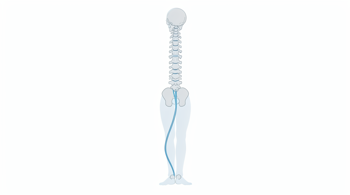
The defining characteristic of sciatica is its tendency to travel. Unlike ordinary back pain that typically remains localized to the lumbar region, sciatica radiates from the lower back through the buttock and down the leg, sometimes reaching the foot 1, 5. This occurs because the sciatic nerve originates from nerve roots in the lumbar and sacral spine and traverses the entire leg 8, 9. The pain is typically unilateral, meaning it affects only one side of the body, though the intensity can vary from a dull ache to a sharp, burning, or electric shock-like sensation 2, 4.
Patients frequently report that this discomfort is triggered or intensified by specific mechanical actions. Sitting for long periods, coughing, sneezing, or even twisting the spine can increase pressure on the compressed nerve, leading to acute spikes in radiating pain 2, 5. Because this nerve controls both sensation and motor function, the experience can vary significantly between individuals, with some noting constant pain while others describe it as intermittent or positional 3, 4.
Neurological Indicators and Sensory Changes
Beyond simple pain, the irritation of the sciatic nerve often manifests as various neurological symptoms. A common early indicator is the presence of paresthesia, frequently described by patients as a feeling of pins and needles or numbness in the leg or foot 3, 5. This sensation occurs because the signal transmission along the nerve is disrupted by compression from a herniated disc, spinal stenosis, or other degenerative conditions in the lumbar spine 2, 6.
Muscle weakness is another significant indicator that the nerve is under persistent stress. Some individuals may experience difficulty lifting the front of their foot, a condition sometimes associated with foot drop, or find themselves feeling unsteady while standing or walking 3. These neurological symptoms indicate a higher level of nerve involvement than superficial muscle soreness, making them critical markers that should be reviewed during a professional clinical evaluation of the spine and legs 1.
Common Drivers of Sciatic Nerve Irritation
Understanding the root cause is vital for long-term management, even though the symptomatic experience remains similar across patients. A herniated or bulging lumbar disc is one of the most common causes, where the soft inner material of the disc presses against the adjacent nerve root 6, 8. Other frequent contributors include spinal stenosis, which is the narrowing of the spinal canal, or the development of bone spurs due to arthritis, both of which reduce the space available for nerve passage 1, 6.
In some instances, muscle spasms in the deep gluteal region, such as those related to piriformis syndrome, can exert pressure on the sciatic nerve pathway 6. Because these conditions vary in their underlying pathology, a physician will typically perform a detailed physical exam, checking flexibility, leg strength, and reflexes to pinpoint the source of the nerve irritation 1. Accurate diagnosis is necessary to ensure that the chosen treatment plan effectively addresses the structural cause rather than just providing temporary symptom relief 8.
When to Seek Urgent Medical Evaluation
While many cases of sciatica improve over time with conservative, non-surgical approaches like physical therapy and activity modification, certain symptoms are classified as clinical red flags requiring immediate medical attention 2, 4. Sudden changes in bowel or bladder control are considered critical signs, as they may indicate a rare but severe condition known as Cauda Equina Syndrome 7. Other urgent indicators include severe, progressive weakness in the legs or numbness in the groin area 2, 8.
Healthcare providers emphasize that patients should not adopt a wait-and-see approach if they experience trauma, fever, or a history of cancer alongside new onset of nerve-related leg pain 1, 4. Prompt assessment for these red flags helps prevent potential long-term nerve damage and ensures that appropriate imaging, such as an MRI or CT scan, can be ordered if necessary 1, 3. Early intervention remains the most effective method for preserving spinal health and restoring full function 3.
Diagnostic Processes and Clinical Expectations
When a patient presents with symptoms suggestive of sciatica, a clinician will first conduct a thorough review of the medical history. The objective is to identify the pattern of pain, including its onset, duration, and whether it follows the typical distribution of the sciatic nerve 1. The physician will likely perform specific maneuvers, such as straight-leg raise tests, to assess the level of nerve irritation and determine if the physical findings correlate with the patient’s reported discomfort 1.
While imaging is not always required at the initial stages of symptom onset, it may be utilized if symptoms persist despite conservative care or if the clinical examination reveals potential bone fractures or other structural spinal issues 1, 4. Patients should expect a collaborative approach to their care, focused on identifying the specific nerve dermatome involved-ranging from the L4 through S3 nerve roots-which helps differentiate true sciatica from other forms of radiating pain or hip-related pathology 8, 10.
Long-Term Maintenance and Prevention
Managing the condition after the initial acute phase often involves ongoing attention to spinal mechanics and ergonomics. Because many cases arise from long-term wear or degenerative conditions, lifestyle adjustments are frequently recommended to alleviate persistent pressure on the lumbar spine 3. Incorporating targeted exercises that improve flexibility and strengthen the supporting core muscles can help mitigate the likelihood of future episodes of nerve compression 3, 4.
Understanding the role of posture, particularly during sedentary work or daily activities, is another pillar of long-term prevention. Because prolonged sitting can exacerbate symptoms by placing direct pressure on the nerve pathway, frequent movement and proper ergonomic setup in chairs are often encouraged 6. Most individuals find that by combining activity modification with professional guidance, they can manage symptoms effectively and maintain their quality of life without the need for surgical intervention 2, 8.
Sources
- Harvard Health Publishing, Sciatica - A to Z, https://www.health.harvard.edu/pain/sciatica-a-to-z
- Acibadem Hospitals Group, Sciatica Symptoms: Causes, Relief, And When To Act, https://acibademinternational.com/health-library/sciatica-symptoms-common-causes-related-conditions-and-when-to-see-a-doctor/
- The Times of India, Sciatica pain starts as a simple backache, https://timesofindia.indiatimes.com/health/sciatica-pain-starts-as-a-simple-backache-spine-experts-explain-early-warning-signs-and-how-timely-treatment-can-prevent-nerve-damage/articleshow/129279198.cms
- Acibadem Hospitals Group, Sciatica: Causes, Symptoms, And Imaging Guide, https://acibademinternational.com/health-library/sciatica-causes-warning-signs-and-when-imaging-is-needed/
- The Week, Is it just 'normal' back pain or sciatica? Warning signs you shouldn't ignore, https://www.theweek.in/news/health/2026/06/01/is-it-just-normal-back-pain-or-sciatica-warning-signs-you-shouldnt-ignore0.html
- Texas Spine and Pain Management Center, 7 Early Warning Signs of Sciatica Most People Ignore, https://texasspineandpain.com/7-early-warning-signs-of-sciatica-most-people-ignore/
- Kauvery Hospitals Bangalore, Sciatica Treatment Guide: Causes & Symptoms, https://www.kauveryhospitalsbangalore.com/blog/sciatica-causes-treatment
- Orthopaedic Care, Leg Pain from Your Back? Sciatica Symptoms Explained, https://www.orthohealth.com/sciatica-symptoms-causes-leg-pain/
- Premier Pain Management, What Does Sciatica Actually Feel Like?, https://premierpainaz.com/blog/what-does-sciatica-actually-feel-like/
- The Educated Patient, Is It Sciatica or Something Else? A Neurosurgeon Breaks It Down, https://www.theeducatedpatient.com/view/is-it-sciatica-or-something-else-a-neurosurgeon-breaks-it-down
Authored by MyTrendSpot team