Natural remedies for asthma: A research-based overview of non-pharmacological support strategies
Living with asthma involves managing a chronic inflammatory condition where the airways become hyper-responsive to various environmental and physiological triggers 14. Many individuals seek natural remedies for asthma to complement their existing medical protocols, aiming to reduce symptom frequency and improve overall respiratory quality of life 14. It is essential to understand that while these strategies offer supportive benefits, they are not replacements for prescribed rescue inhalers or corticosteroid treatments 16. This article explores evidence-aware approaches to asthma support, emphasizing that any new routine should be discussed with a primary healthcare provider 6.
Understanding the Pathophysiology of Asthma
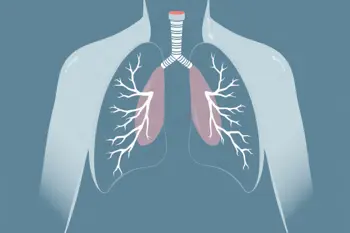
Asthma is characterized by a persistent inflammation of the bronchial tubes, which leads to structural narrowing of the airways 14. During an exacerbation, three primary physiological events occur: the muscles surrounding the airways contract (bronchospasm), the inner lining of the tubes swells, and excess mucus production clogs the narrowed passages 16. This process results in characteristic symptoms such as wheezing, persistent coughing, chest tightness, and significant shortness of breath 14. Recognizing these mechanisms is critical because non-pharmacological methods generally aim to address systemic inflammation or stress-related triggers rather than providing the immediate, acute relief required during a life-threatening asthma attack 16.
The Role of Environmental Control
Environmental management remains one of the most effective non-pharmacological interventions for asthma patients 7. Reducing exposure to common irritants is fundamental to minimizing airway sensitivity 4. Key triggers often include dust mites, mold spores, pet dander, tobacco smoke, and varying levels of air pollution 46. Maintaining a clean, well-ventilated living space and using air filtration systems can significantly decrease the inflammatory burden on the lungs 7. Furthermore, being aware of external factors like cold air, humidity fluctuations, and strong chemical fumes allows individuals to take proactive steps to avoid unnecessary exposure that might incite a flare-up 46.
Breathing Exercises and Lifestyle Interventions
Structured non-pharmacological interventions have shown clinical promise in improving pulmonary function and quality of life indicators for asthma patients 5. Research into controlled breathing techniques, such as the Buteyko or Papworth methods, suggests that training can help individuals manage symptoms by promoting relaxed, efficient breathing patterns 15. Additionally, exercise training programs have demonstrated statistical significance in improving metrics like FEV1 and peak expiratory flow (PEF) 5. Beyond physical techniques, stress-reduction activities such as yoga and mindfulness meditation are recommended to mitigate the impact of emotional distress, which is a known trigger for airway hyper-responsiveness 45.
Investigating Herbal and Medicinal Plant Research
Recent studies have evaluated various medicinal plants for their potential anti-inflammatory, antioxidant, and bronchodilatory properties 27. Compounds such as curcumin from turmeric and thymoquinone from black seed (Nigella sativa) have gained attention for their ability to potentially modulate inflammatory pathways 28. Other plants, including ginger, holy basil, licorice, and Boswellia, are under scientific scrutiny for their immunomodulatory effects 23. Furthermore, recent systematic reviews have highlighted the potential of the tiger milk mushroom (Lignosus rhinocerus) in suppressing eosinophil infiltration and improving antioxidant markers in preliminary studies 9. Despite these findings, researchers emphasize that many of these studies are preclinical, and there remains a lack of standardized formulations and large-scale human clinical trials 279.
Nutritional Considerations for Respiratory Health
Dietary adjustments are often cited as a supportive strategy for reducing airway inflammation 5. A diet rich in fruits, vegetables, and omega-3 fatty acids is associated with improved lung health and reduced systemic inflammatory response 510. While not a direct treatment for asthma, maintaining a balanced nutritional profile can help manage overall immune system function 8. Some evidence also suggests that simple additions, such as honey, may soothe irritated airways and reduce the severity of nighttime coughing, providing comfort that helps improve sleep quality for those with mild, persistent symptoms 910.
Safety, Regulatory Reality, and Future Perspectives
While interest in natural alternatives is growing due to the side effects and costs of long-term conventional pharmacotherapy, safety remains the priority 27. Many natural remedies lack rigorous clinical validation to establish standard dosage or long-term efficacy profiles 27. Furthermore, reliance on natural products without the oversight of a medical professional can lead to the neglect of essential maintenance medications 6. Future research must focus on large-scale human trials to transform preliminary findings into clinical guidelines, ensuring that any integrated approach is both safe and effective for the diverse population of asthma patients worldwide 29.
Sources
- eHome Remedies: Home Remedies for Asthma
- Journal of Natural Remedies: Herbal Therapies for Asthma
- International Journal of Molecular Sciences: Natural Products Against Allergic Rhinitis and Asthma
- Home Remedy Central: Asthma Practical Home Remedies
- BMC Pediatrics: Efficacy of non-pharmacological interventions for childhood asthma
- Ask a Naturopath: Asthma and Natural Support
- IJPS Journal: Therapeutic Potential of Medicinal Plants in Bronchial Asthma
- International Journal of Drug Delivery Technology: Phytotherapeutic Strategies for Bronchial Asthma
- BMC Pulmonary Medicine: Effectiveness of tiger milk mushroom on asthma
- Dr. Berg: 4 Asthma Remedies to Try at Home
Authored by MyTrendSpot team