Early signs of impaired lymphatic system: Clinical clues that may appear before obvious swelling
Why early lymphatic changes can be subtle
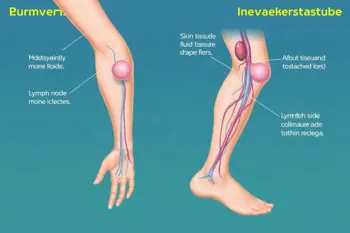
The earliest signs of an impaired lymphatic system are not always dramatic. Lymphatic dysfunction can cause protein-rich fluid to accumulate in tissues, but mild disease may first be noticed as heaviness, fullness, tightness, or an altered sensation in an arm, leg, hand, foot, or another affected area. Early recognition matters because persistent lymphatic stasis can contribute to inflammation, fibrosis, and recurrent cellulitis over time. 1
A limb may look almost normal while clothing, jewelry, or a watch begins to feel tighter. Symptoms can fluctuate, and early swelling may lessen after elevation or overnight. That temporary improvement does not exclude impaired drainage, particularly when the same pattern repeatedly returns or affects one side more than the other. 9
- Heaviness or fullness in a limb
- A feeling of tight skin or pressure
- Subtle differences in limb size or shape
- New difficulty moving a nearby joint
Early physical signs to observe
Persistent or intermittent swelling is the most recognizable physical clue, although it may initially involve only part of a limb. The hand, foot, fingers, or toes can appear different from the opposite side. Pressing the skin may leave a temporary indentation, known as pitting, in earlier disease. Clinicians also assess asymmetry, tissue texture, and whether the skin feels less elastic than usual. 1
Skin changes may become more apparent as lymphatic impairment continues. Tightness, dryness, thickening, or a firmer texture can indicate that fluid accumulation and tissue remodeling are occurring. Reduced flexibility in the fingers, wrist, ankle, knee, or another nearby joint may reflect swelling and tissue tightness rather than a purely joint-related disorder. 5
| Possible early clue | What it may feel or look like |
|---|---|
| Swelling | Uneven, recurring, or localized enlargement |
| Skin sensation | Tightness, pressure, or unusual firmness |
| Movement | Reduced flexibility near the affected tissue |
| Surface changes | Indentation, altered elasticity, or thickening |
Symptoms before visible swelling
A sense of limb heaviness, aching, fullness, or tightness can precede clearly visible edema. Some people notice that an arm or leg feels different during ordinary activity, or that a sleeve, shoe, ring, or watch fits differently. These sensory and functional changes are clinically relevant when they persist, recur, or follow a known risk factor such as lymph-node surgery or radiation treatment. 6
Restricted movement is another potential early indicator. Swelling around a joint or within nearby soft tissue can make bending, gripping, walking, or reaching less comfortable. The symptom is not specific to lymphedema, so assessment must consider other explanations, including injury, venous disease, infection, or a blood clot. 7
- Heaviness that is not explained by recent exertion
- Aching or pressure in one region
- Reduced range of motion or flexibility
- Repeated changes in how clothing or accessories fit
Causes and higher-risk situations
Lymphedema may be primary, resulting from abnormal development of lymphatic vessels, or secondary, resulting from obstruction, disruption, or damage. Recognized causes include cancer treatment, lymph-node removal, radiation therapy, infection, trauma, and congenital lymphatic abnormalities. Obesity, limited mobility, and recurrent infections are also identified as risk factors in clinical references. 2
Risk is not limited to people with a cancer history. Primary forms can appear at different ages, while secondary forms may follow an operation, injury, or infection. A new symptom should therefore be interpreted in context, including its location, timing, progression, associated skin changes, and any prior treatment or illness affecting lymphatic drainage. 3
- Lymph-node surgery or radiation treatment
- Trauma or procedures that disrupt lymphatic vessels
- Infections involving lymphatic tissues
- Congenital or inherited lymphatic abnormalities
- Limited mobility or obesity as recognized risk factors
How clinicians evaluate suspected dysfunction
Diagnosis commonly begins with a history and physical examination. Clinicians compare both sides of the body, examine the skin and underlying tissue, assess pitting and firmness, and review possible causes. Persistent or unexplained swelling warrants clinical evaluation because lymphedema can resemble other disorders. Merck Manual identifies physical examination as the basis of diagnosis, while specialist assessment may be appropriate when findings are uncertain. 3
Imaging can provide additional information when the diagnosis or anatomy is unclear. A 2025 review describes lymphoscintigraphy, indocyanine green lymphography, and magnetic resonance lymphangiography as imaging approaches that support earlier and more accurate evaluation. The same review identifies complete decongestive therapy as a standard conservative management approach after assessment. 4
| Assessment area | Examples of information considered |
|---|---|
| History | Surgery, radiation, infection, trauma, and symptom timing |
| Examination | Asymmetry, pitting, tissue firmness, and skin condition |
| Function | Movement, discomfort, and effects on daily activity |
| Imaging when indicated | Lymphoscintigraphy, indocyanine green lymphography, or magnetic resonance lymphangiography |
When symptoms need prompt medical attention
New one-sided swelling should be assessed rather than attributed automatically to lymphatic disease. Possible causes include lymphedema, venous blood clots, infection, and other medical conditions. Sudden swelling accompanied by chest pain or shortness of breath is an emergency pattern because it may indicate a serious vascular or cardiopulmonary problem. 8
Recurring redness, warmth, tenderness, fever, or skin infection in an affected area also requires medical attention. Impaired lymph drainage is associated with recurrent cellulitis and lymphangitis, and careful skin protection is part of long-term management. A clinician can determine whether symptoms represent lymphatic dysfunction and whether referral to a certified lymphedema therapist is appropriate. 1
- Arrange medical assessment for persistent or unexplained swelling.
- Report repeated skin infections or inflammation in the same area.
- Describe changes in heaviness, tightness, movement, and skin texture.
- Seek emergency care for sudden swelling with chest pain or shortness of breath.
What progression may involve
Lymphatic impairment can remain mild and intermittent, but chronic accumulation of lymph may promote inflammation, adipose tissue expansion, fibrosis, and reduced tissue elasticity. Later disease is more likely to produce firm, nonpitting tissue and thickened or hardened skin. These changes can make management more difficult than during an earlier, more flexible stage. 4
Early symptoms do not establish a diagnosis by themselves, and not every swollen or heavy limb reflects lymphedema. The most useful clinical pattern is a recurring combination of asymmetry, tightness, heaviness, altered skin texture, reduced movement, or infection, especially after lymph-node treatment or another known risk. Recording when symptoms appear and whether elevation changes them can help inform professional evaluation. 6
Sources
- Performance Health, Recognizing Lymphedema in Clinical Practice
- National Center for Biotechnology Information, StatPearls: Lymphedema
- Merck Manual Professional Edition, Lymphedema
- Frontiers in Medicine, Advances in etiology, pathophysiology, diagnosis, and management of lymphedema
- NHS, Symptoms of lymphoedema
- National Cancer Institute, Lymphedema
- Mayo Clinic, Lymphedema symptoms and causes
- MedlinePlus, Lymphedema
- Johns Hopkins Medicine, Lymphedema
Authored by MyTrendSpot team