Police impound recreational vehicles at auction: A Guide to Municipal Liquidation Processes
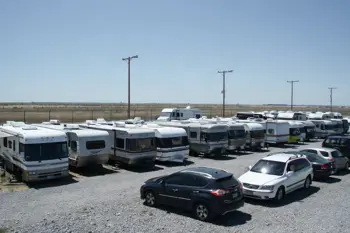
Law enforcement agencies across the country frequently manage the disposal of unclaimed, abandoned, or seized property, including a diverse range of recreational vehicles (RVs), trailers, and boats 1, 5. These items often enter the municipal inventory after legal forfeiture processes are complete, due to causes such as abandonment, expired registration, involvement in criminal activity, or unpaid storage fees 1, 5. As these departments move to clear out impound lots, they utilize public auctions as a standardized mechanism to recover storage costs and administrative expenses associated with the maintenance of this property 3, 5.
Operational Mechanics of Municipal Auctions
The transition toward digital infrastructure has significantly altered how police departments conduct vehicle sales. Many agencies have moved away from traditional in-person gatherings in favor of online bidding platforms, such as ReneBates.com, GovDeals, and other regional portals 1, 4, 5. This shift allows for broader participation and the centralization of vehicle descriptions and photographic evidence, enabling potential bidders to review asset information remotely before committing to a purchase 1, 5.
Despite the convenience of online bidding, regulatory requirements remain strict regarding the handling of assets. State laws governing these sales often mandate specific holding periods, ensuring the department has the legal standing to liquidate the item after a minimum duration has passed without a claim from the original owner 3. Agencies like the Abilene Police Department, the Keizer Police Department, and the Louisville Metro Police Department routinely coordinate these cycles to keep their facilities operational 1, 2, 3.
Condition of Sale and Liability Considerations
A fundamental aspect of acquiring vehicles through law enforcement channels is the 'as-is, where-is' nature of the transaction 1, 6. Assets sold through these auctions are not guaranteed by the municipality, and the buyer assumes full responsibility for all mechanical repairs, missing components, or interior restorations required to return the vehicle to functional status 1, 6. Because many of these units arrive via wreckages or long-term abandonment, they may require significant investment before they are road-legal or fit for travel 1, 5.
The administrative status of the vehicle is another critical factor for participants. Depending on the history of the asset, a buyer may receive a standard title, a salvage title, or may need to navigate the bonded title process to establish ownership 4, 8. Prospective bidders are often advised to research the specific requirements of their state’s Department of Motor Vehicles regarding the titling of auction-purchased vehicles before finalizing a bid, as the process for obtaining a valid VIN inspection varies significantly by jurisdiction 9, 10.
Logistical Realities of Vehicle Removal
Winning a bid at a police auction does not immediately entitle the buyer to drive the vehicle away. Most municipal facilities require that vehicles be towed off the premises to ensure safety and compliance with lot regulations 9. Furthermore, stringent timelines are usually enforced for the removal of the asset to prevent additional storage fees from accruing 9. For instance, in cities like Kansas City or Detroit, successful bidders are expected to coordinate transportation within defined windows, often ranging from 24 to 72 hours, to avoid daily storage charges or future disqualification from municipal auctions 8, 9.
Comparison of Municipal Auction Requirements
| Requirement | Common Industry Standard |
|---|---|
| Inspection | Limited to specific days/by appointment |
| Payment | Cash, wire transfer, or specific credit cards |
| Transportation | Towing required; no on-site driving |
| Registration | Valid ID and background affidavit often required |
Compliance and Eligibility Criteria
Participation in these auctions is generally open to the public, yet individual agencies may enforce specific eligibility standards. Some cities require participants to register through an official auction partner, provide valid government-issued identification, and sign legal affidavits confirming they have no prior involvement with or foreknowledge of the specific vehicle they intend to purchase 1, 8. These measures are intended to maintain the integrity of the auction process and prevent conflicts of interest involving law enforcement personnel, who are frequently prohibited from bidding on items their own department has seized 8.
Furthermore, bidders seeking 'salvage-only' units are often required to provide proof of a current dealer or salvage license at the time of registration 9. This is a critical distinction, as vehicles categorized as salvage-only are strictly non-operable and designated for parts recovery rather than road use. Failure to comply with these requirements or to follow the designated payment and pickup schedule can lead to the forfeiture of the winning bid and potential exclusion from future municipal auction events 9.
Market Trends and Future Outlook
The municipal auction landscape continues to evolve as departments seek more efficient ways to manage surplus property. The growth of specialized government auction portals has enabled smaller jurisdictions to reach wider audiences, increasing the transparency and competitiveness of these events 4, 5. As more municipalities adopt automated inventory management, the frequency of these auctions may shift, with some cities moving to a recurring, bi-monthly schedule rather than sporadic, annual events 9. Maintaining awareness of local government portals and registered auction websites remains the primary method for tracking upcoming opportunities for those monitoring the market for impounded recreational vehicles.
Sources
- Kean Radio: Abilene Police Impound Auction Information
- Keizertimes: Police Department Surplus Auction Overview
- WDRB News: Louisville Metro Police Impound Liquidation
- City of Knoxville: Fleet Services and Vehicle Auction Policy
- MyFoxZone: Abilene Police Department Online Auction Procedures
- Mineral County, MT: Notice of Sale of County Property
- City of San Antonio: Seized Property and Auction Guidelines
- City of Detroit: Police Department Vehicle Auction Rules
- City of Kansas City: Vehicle Auction and Titling Procedures
- NoticeRegistry: Public Notice of Impounded Vehicle Auctions
Authored by MyTrendSpot team